SEO Reseller Programs: Complete Guide for Agencies in 2026

SEO Reseller Programs: Complete Guide for Agencies in 2026

SEO reseller programs are partnership models where agencies sell SEO services under their own brand name while a third party provider manages campaign fulfillment and execution. This approach helps your agency handle larger client volumes and generate recurring revenue without building a full in house SEO team.

As search algorithms become more complex and SEO requires deeper technical expertise – many agencies are shifting toward white label SEO services to reduce operational pressure and improve efficiency. This guide explains:

  • How SEO reseller programs work
  • Their benefits
  • Pricing models
  • Top providers
  • what you should evaluate before choosing a reseller partner

SEO reseller programs – Key highlights

  • The services delivered under SEO reseller programs are commonly known as white label SEO services.
  • Agencies using SEO reseller programs typically maintain profit margins between 30% and 60%.
  • Building an in-house SEO team of 3 to 4 people can cost $250,000 to $500,000+ annually including tools and salaries. SEO reseller partnerships can reduce those operational costs by 40% to 70%.
  • Modern white label SEO services now include technical SEO audits and link acquisition as well as AI-assisted reporting and content optimization.
  • Strong SEO reseller partnerships help your agency improve client retention through faster delivery and transparent reporting.

What are SEO reseller programs?

SEO reseller programs – also known as white-label SEO – are outsourcing models where agencies purchases SEO services from a specialized provider and resells them under their own branding to clients as part of their service offerings.

This partnership model helps your agency expand SEO services without hiring a full internal SEO department or investing heavily in advanced SEO tools and fulfillment infrastructure. It also helps reduce fulfillment delays and maintain consistent campaign delivery without increasing internal overhead.

The SEO reseller provider usually handles:

  • Technical SEO audits
  • Keyword research and SEO strategy
  • On-page optimization
  • Link building and outreach
  • Content creation and optimization
  • Local SEO campaigns
  • SEO reporting and analytics
  • AEO (Answer Engine Optimization)
  • GEO (Generative Engine Optimization)
  • AI SEO services and entity optimization

Your agency usually handles:

  • Client acquisition and communication
  • Pricing and packaging
  • Branding and white label delivery
  • Client retention and upselling

Did you know?

SEO reseller and white label SEO programs started becoming popular around 2005 to 2009 when SEO became too technical for many web design and marketing agencies to manage on their own.
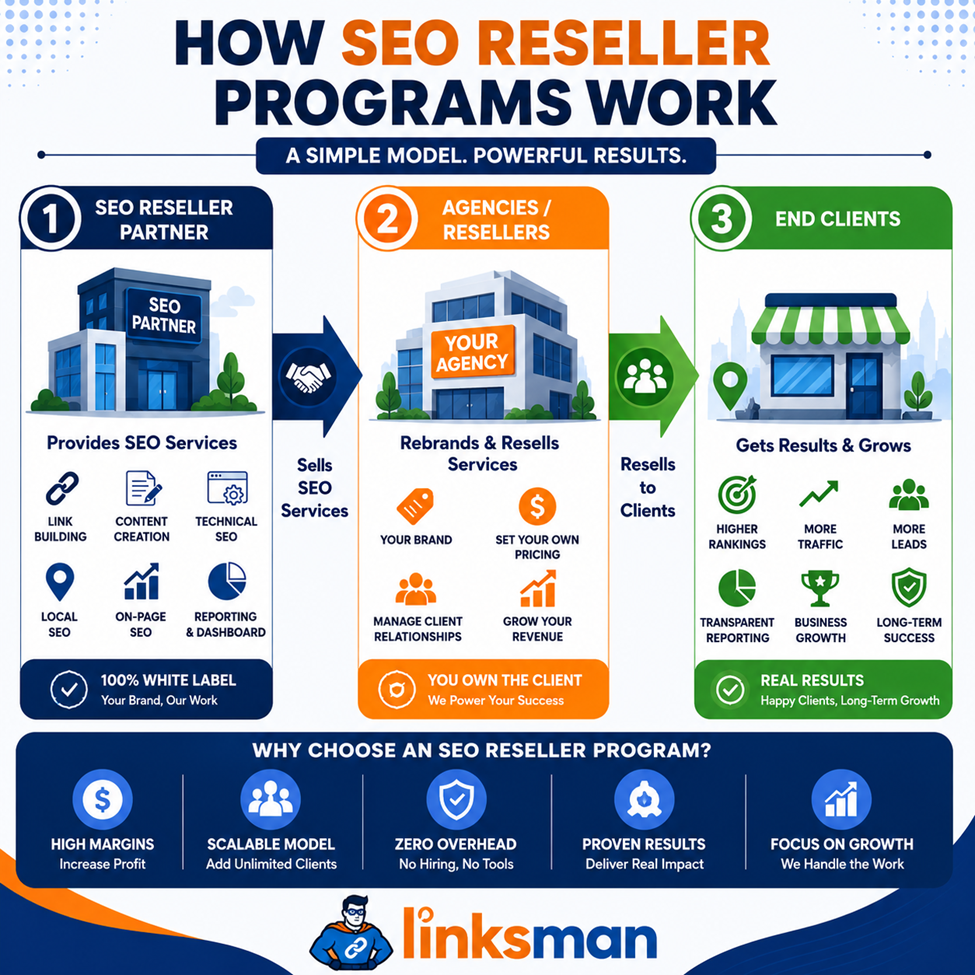
How SEO reseller programs work 2026

How SEO reseller programs work

The working process of an SEO reseller program is fairly simple. There are three parties involved: SEO reseller provider → agency → end client. Your agency remains the primary point of contact for clients, while a third-party SEO provider works in the background to execute campaigns under your branding.

1. Partnering with an SEO reseller provider

Agencies first partner with a white label SEO provider that offers services like technical SEO and keyword research along with link building and reporting.

2. Create SEO packages and pricing

Then, they create different AI SEO packages for clients based on the provider’s fulfillment capabilities and pricing structure.

3. Start offering SEO services to clients

Once the pricing is fixed, agencies promote SEO services as part of their own offerings while managing proposals and client relationships.

4. The reseller provider executes SEO campaigns

The reseller provider starts working on search engine optimization tasks and ongoing campaign activities based on the goals and timelines shared by agencies.

5. White label reports are shared

Most SEO reseller programs provide branded dashboards and white label reports customized with the agency’s branding so clients continue tracking results and viewing the agency as the direct SEO provider.

6. Agency manages communication and profit margins

Agencies remain the primary point of contact for clients while setting their own pricing and profit margins on SEO services. This allows agencies to build recurring revenue without expanding internal operations.

What are the benefits of SEO reseller programs?

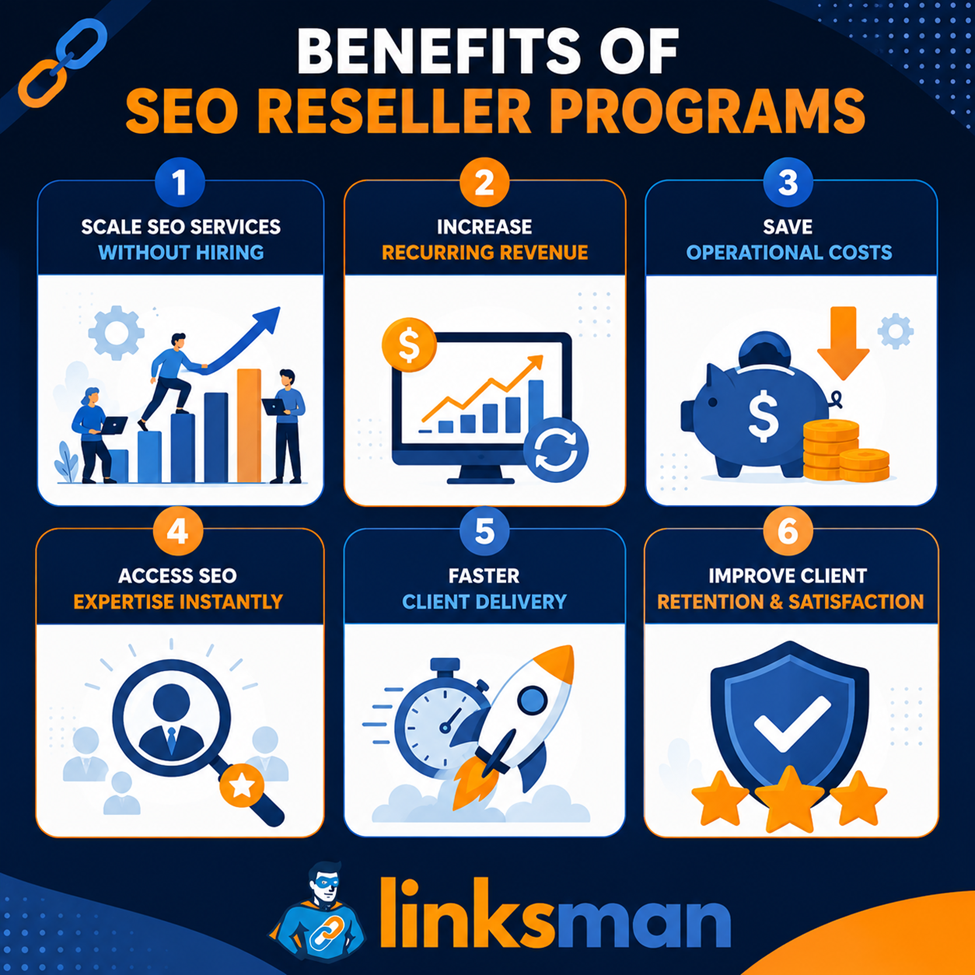
SEO has become more technical and resource intensive. This is why many agencies are using reseller partnerships to scale faster while maintaining profitability and client satisfaction. Here are the main benefits of SEO reseller programs:
benefits of SEO reseller programs 2026

1. Scale SEO services without hiring

Hiring and training an internal SEO team takes a lot of time and money as well as ongoing management. Many agencies struggle to scale because of fulfillment bottlenecks and limited technical expertise.

According to industry reports – 52% of digital startups consider hiring in house talent a major barrier to growth. SEO reseller programs solve this problem by giving agencies immediate access to experienced SEO professionals with reporting tools and established workflows without expanding internal headcount.

2. Increase recurring revenue

SEO services are one of the strongest recurring revenue channels for agencies because they usually operate on monthly retainers. Reseller programs allow you to add different packages to your service offerings and generate predictable monthly income without building SEO operations from scratch.

And since reseller providers work at wholesale pricing, you can set your own pricing structure and maintain healthy profit margins of around 30% to 50% while scaling client accounts.

3. Save operational costs

Building an internal SEO department involves many other things apart from salaries. You have to pay for SEO software subscriptions and reporting tools as well as management overhead and office infrastructure.

These costs can add-up and consume nearly 30% of total revenue. SEO reseller partnerships lower these operational expenses by converting fixed staffing costs into scalable fulfillment costs based on active client volume.

4. Access SEO expertise instantly

We can consider this the main benefit because third-party providers often have some of the best SEO expertise in the industry with knowledge of latest Google algorithm updates. They also have AI-driven search experiences along with in-demand skills like AEO and GEO as well as entity optimization and modern ranking signals.

Most reseller providers also have dedicated experts for different SEO tasks. So when you use their services, you get immediate access to SEO experts without spending months building expertise internally.

5. Faster client delivery

Many growing agencies struggle with delivery bottlenecks once client volume increases beyond 10 to 15 monthly retainers. SEO reseller programs solve this by shifting technical fulfillment and reporting to specialized backend teams while the agency focuses on account growth and retention. This allows your agency to launch campaigns and complete audits as well as publish optimizations and generate reports much faster compared to building internal workflows from scratch.

Faster execution also often improves client satisfaction and reduces delays in campaign delivery.

6. Improve client retention and satisfaction

Nearly 44% of businesses report dissatisfaction with traditional SEO services due to poor communication and lack of technical expertise. Strong SEO reseller partnerships help agencies improve client retention through:

  • better reporting systems
  • faster execution
  • dedicated account support
  • more consistent SEO performance across campaigns

Who can benefit from SEO reseller services?

SEO reseller programs are not limited to large digital agencies. Any business that wants to offer SEO services without building an internal team can benefit from white label SEO partnerships.

Business Type Benefit
Digital Marketing Agencies Add SEO services without building an in house SEO team
Web Design Agencies Offer SEO as an add on service after website launches
Freelancers and Consultants Scale client projects without managing SEO fulfillment internally
PR and Advertising Agencies Expand digital marketing services with SEO campaigns
SaaS Marketing Firms Support SaaS brands with technical SEO and content optimization
Social Media Agencies Combine SEO with social media services for complete digital growth
Local Marketing Agencies Offer local SEO services without hiring dedicated specialists

What are the key features to look for in an SEO reseller program?

Not all SEO reseller programs offer the same quality of service. Some providers promote low-quality SEO services as premium solutions. This is why you should carefully evaluate key features before choosing a reseller partner.

  • White label dashboard
  • Transparent pricing
  • Quality backlinks
  • Dedicated account managers
  • Reporting and analytics
  • Scalable SEO packages
  • Custom strategy support

SEO reseller programs vs White label SEO – What’s the difference?

SEO reseller programs and white label SEO are closely related terms that are often used interchangeably. However, there are small differences that we will discuss in the table below.

Comparison Point SEO Reseller Programs White Label SEO
Ownership Model Agencies purchase SEO services and resell them to clients at their own pricing The provider focuses mainly on fulfillment under the agency’s branding
Branding Services are fully packaged and promoted under the agency’s brand identity Deliverables and dashboards are branded with the agency’s logo
Client Communication Agencies manage 100% of client interaction The fulfillment provider usually remains invisible to the end client
Fulfillment Responsibilities Includes both service reselling and fulfillment coordination Primarily includes backend SEO execution and reporting
Profitability Agencies earn 30% to 60% profit margins Profitability depends on actual service cost and agency markups
Best For Agencies scaling SEO services Agencies needing backend SEO support

What are the common services offered in SEO reseller packages?

Most SEO reseller programs offer bundled services to help agencies manage complete SEO campaigns under their own branding.

Keyword Research Keyword Discovery | Competitor Analysis | Search Intent Mapping | SEO Strategy Planning
On-Page SEO Meta Tags | Heading Optimization | Internal Linking | Content Optimization | Schema Implementation
Technical SEO Site Audits | Crawl Error Fixes | Core Web Vitals | Indexing Optimization | Site Speed Improvements
AI SEO AEO | GEO | Entity Optimization | AI Search Visibility Optimization 
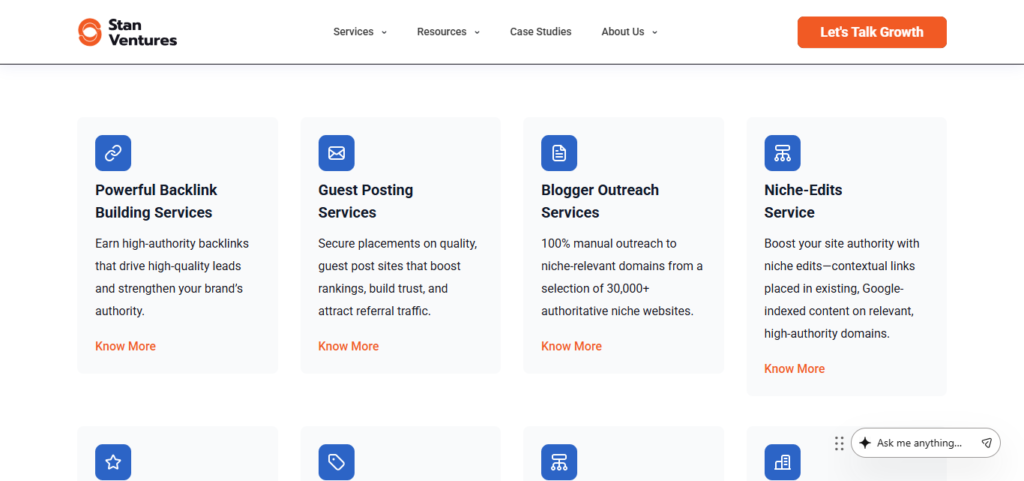
Link Building Guest Posting | Niche Edits | Digital PR | Outreach | Backlink Audits | Link Profile Improvement
Local SEO Google Business Profile Optimization | Local Citations | Map Rankings | Location-Based SEO
Content Creation SEO Blogs | E-E-A-T Content | Landing Pages | Service Pages | Topical Clusters | AI-Assisted Content Optimization
SEO Audits Technical Audits | Backlink Audits | Competitor Analysis | Keyword Gap Analysis | Reporting

How to choose the best SEO reseller partner

Choosing the right SEO reseller partner is important because the quality of fulfillment directly affects your client retention and agency reputation.

  • Check case studies: Review past SEO results and case studies to see how they help with ranking improvements and traffic growth.
  • Review backlink quality: Use free tools to check the quality of the backlinks they provide to avoid link farms and PBNs.
  • Understand reporting methods: Make sure the partner provides transparent reports with SEO metrics and regular updates.
  • Analyze turnaround time: Give a small project to the provider and see if they can deliver work on time and meet the deadlines.
  • Test customer support: Good communication and faster responses become important as your client volume grows.
  • Compare pricing models: Compare fulfillment pricing and package flexibility to make sure there is enough profit margin potential for your agency.

Red flags to avoid in SEO reseller programs

Choosing the wrong SEO reseller partner can lead to unhappy clients and long term damage to your agency’s credibility. So, look out for these red flags.

  • Guaranteed rankings
  • Spammy backlinks
  • Lack of transparency
  • No reporting system
  • Extremely cheap pricing

Pricing models of SEO reseller services

SEO reseller pricing depends on the type of SEO services and project requirements. Most providers offer the following pricing models.
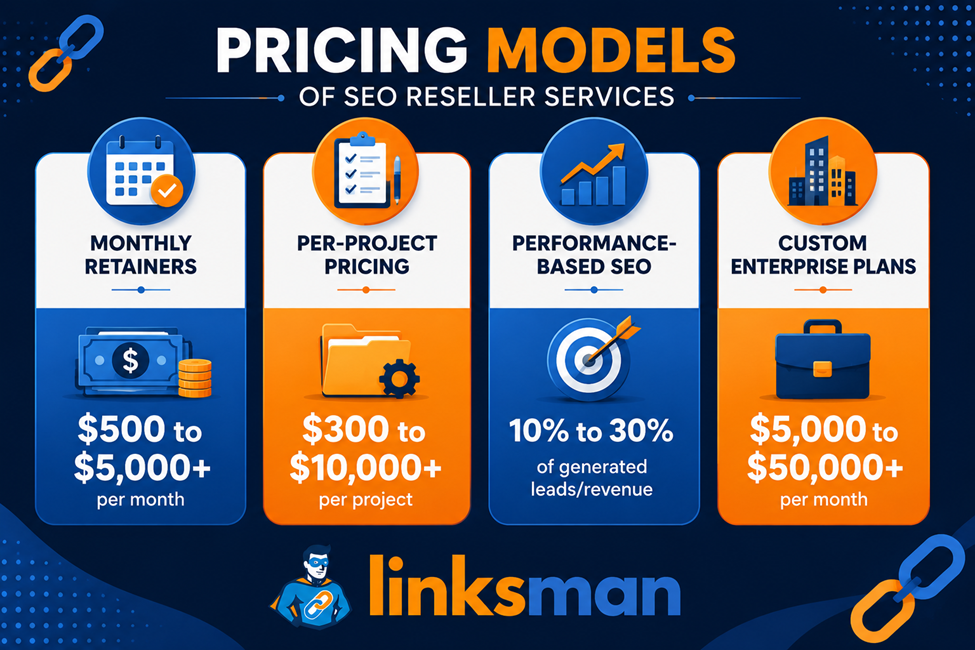
Pricing models of SEO reseller services 2026

Pricing Model Average Pricing Best For
Monthly Retainers $500 to $5,000+ per month Long term SEO campaigns
Per-Project Pricing $300 to $10,000+ per project One time SEO projects and audits
Performance-Based SEO 10% to 30% of generated leads/revenue SEO campaigns focused on rankings or leads
Custom Enterprise Plans $5,000 to $50,000+ per month Large businesses and multi location SEO campaigns

Best SEO reseller programs to consider in 2026

The best SEO reseller programs in 2026 offer much more than traditional SEO fulfillment. Many providers now include AI SEO and automated reporting to help agencies scale faster.

Provider Rating Key Services Starting Pricing Best For
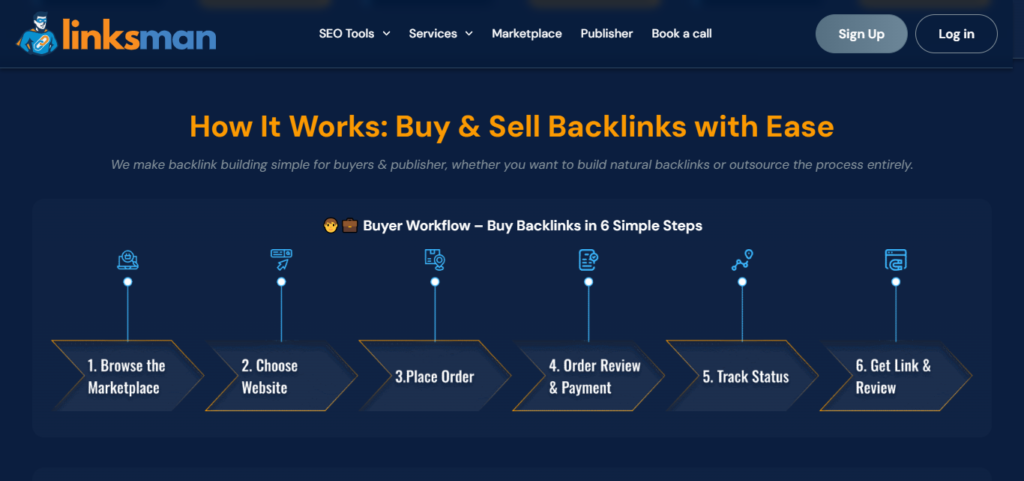
Linksman 4.9/5 White label link building 

Guest posts

Niche edits 

Live dashboard

$399/package White label link building 
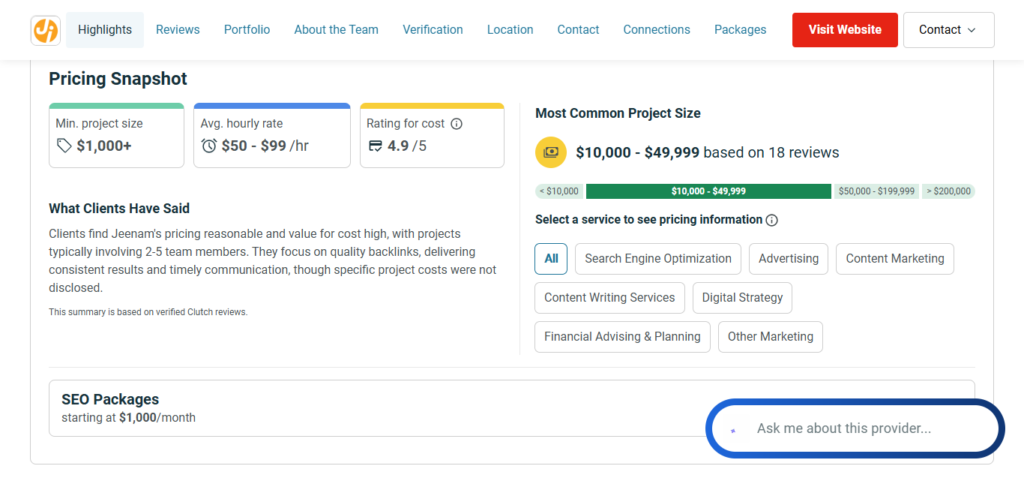
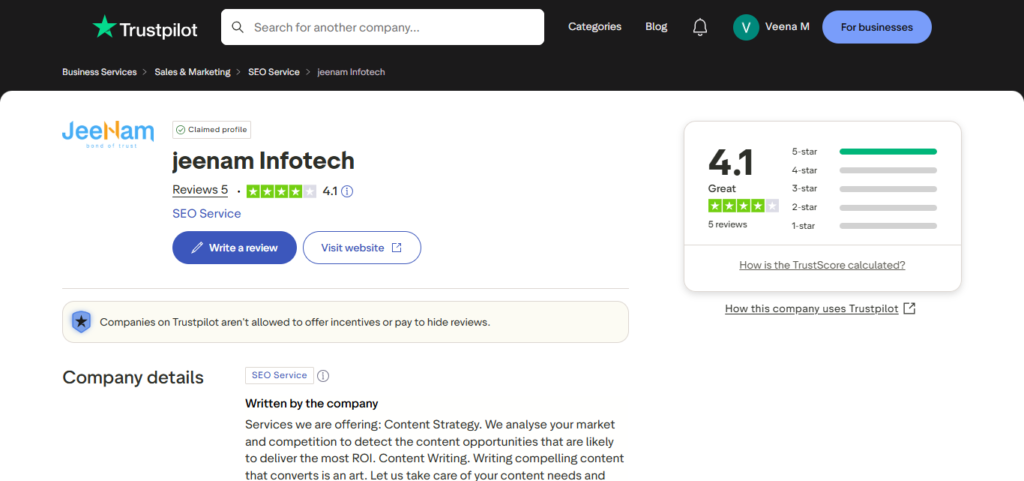
Jeenam 4.9/5 Brand Mentions

Listicle Link Building

Guest posts

Niche edits

AEO and GEO

 $1250/month Scaling premium link building with AI search optimization
Agency Platform 4.5/5 White label SEO

AEO and GEO

AI visibility tracking

Automated reporting

$178/month Agencies needing full white label SEO dashboards
NP Digital 4.5/5 Enterprise SEO

GEO/AEO

Paid media

Analytics

AI SEO

YouTube SEO

Custom enterprise pricing Large agencies and enterprise brands
Vendasta 4.4/5 Local SEO

CRM

AI workforce tools

Reporting

Listings management

Social media management

Starts from $99/month minimum spend White label SEO software + services
The HOTH 4.3/5 Managed SEO

Link building

Content writing

Technical SEO audits

SEO reports

Centralized dashboard

Custom pricing Agencies wanting scalable SEO fulfillment
SEO Reseller 5.0/5 Website audit

On-page optimization

Keyword research

Content creation

Link acquisition

Local SEO starts at $499/client Agencies needing SEO + PPC fulfillment
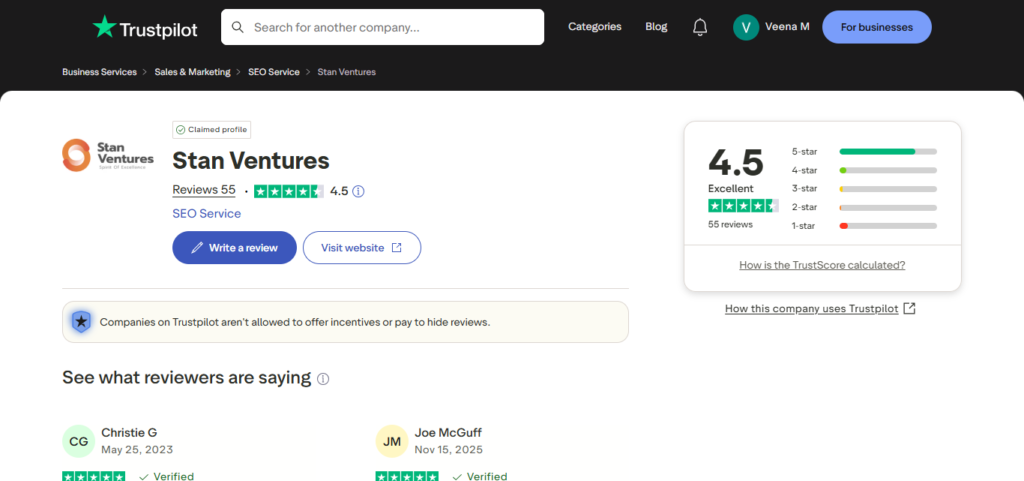
Stan Ventures 4.7/5 Local SEO

On-page optimization

Link building

Technical SEO

Custom wholesale pricing Scalable SEO retainers
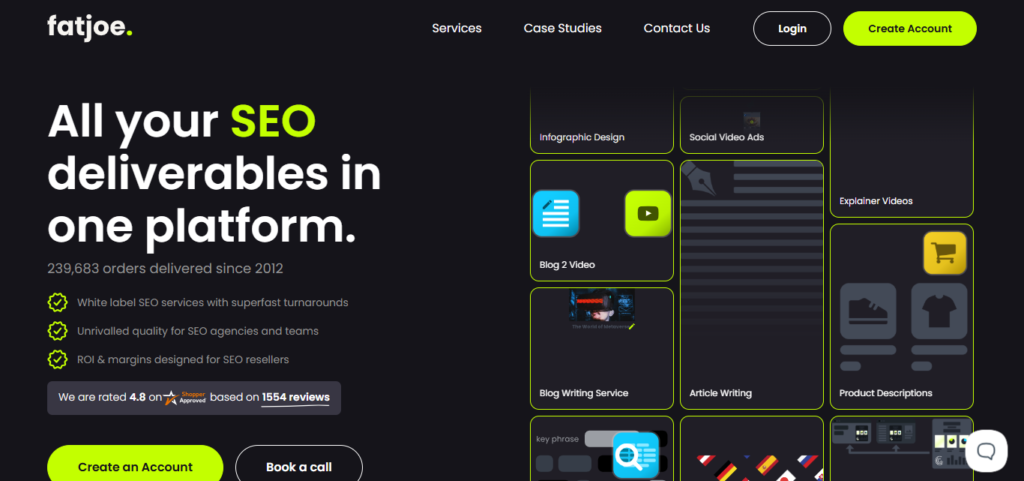
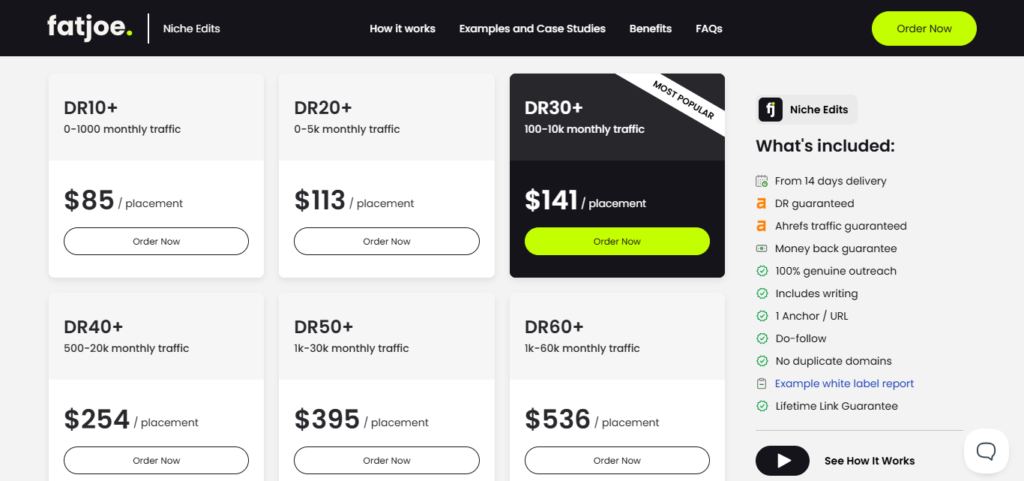
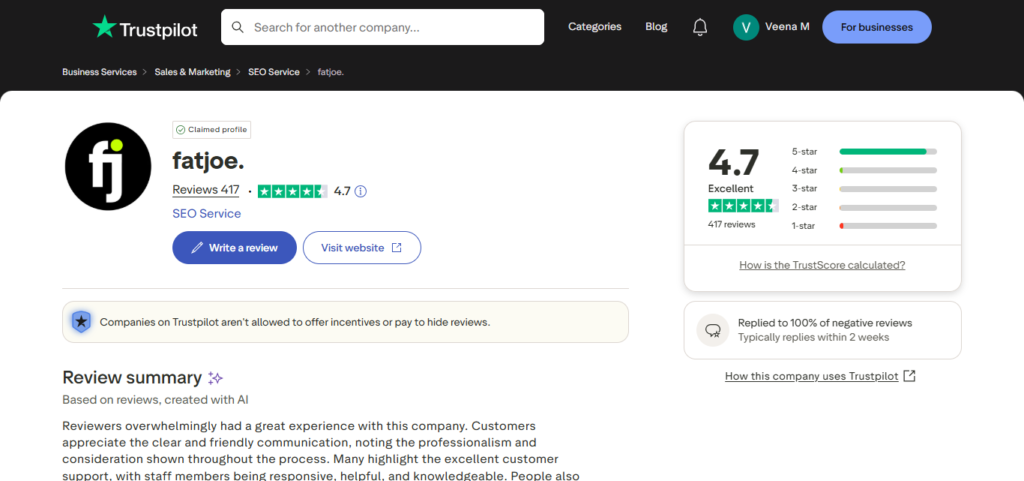
FATJOE 4.8/5 Link building

AI SEO and PR

Niche edits

Content writing

Pay-per-order pricing Flexible white label SEO services

How to start your own SEO reseller business

You don’t need core SEO knowledge to start this business. You can simply partner with a good service provider and market their services as your own. Here’s a process you can follow:
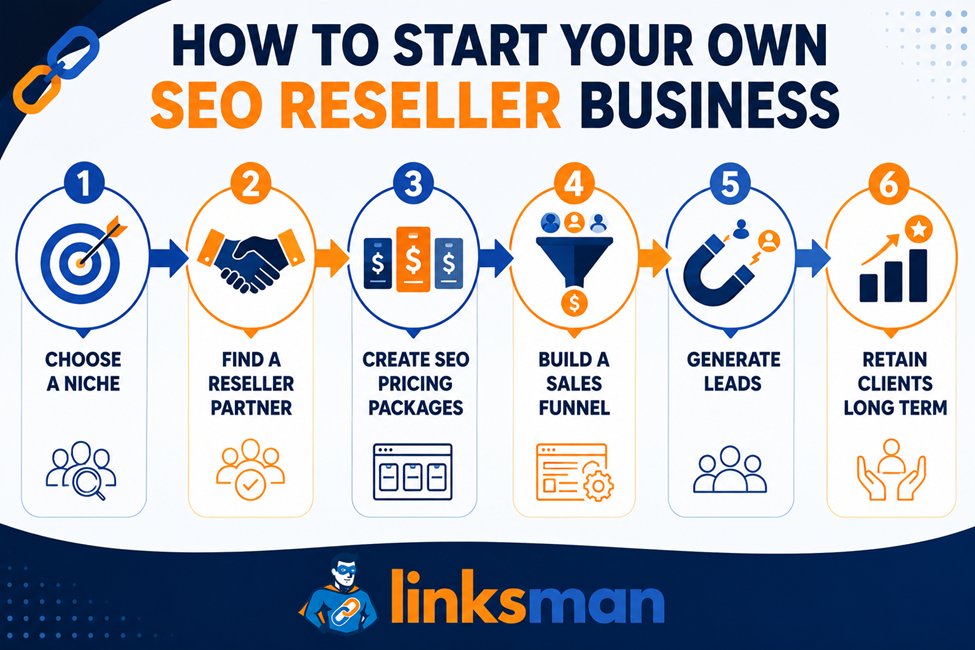
How to start your own SEO reseller business

1. Choose a niche

The first thing you need to do is choose one industry or business category. Some options include:

  • Local businesses
  • SaaS companies
  • Ecommerce brands
  • Law firms
  • Healthcare clinics

This helps you position your services more clearly and attract better quality clients.

2. Find a reseller partner

Next, you need to find a good SEO reseller provider. Your partner will manage the SEO fulfillment work behind the scenes. Before choosing a provider, check these things:

  • Reporting quality
  • Backlink quality
  • Turnaround time
  • Pricing structure
  • Customer support
  • Case studies and reviews

3. Create SEO pricing packages

Now, all you need to do is build simple SEO plans based on client size and competition level. Example:

  • Basic SEO package
  • Growth SEO package
  • Premium SEO package

Each package can include: Keyword tracking + technical SEO + content optimization + link building + monthly reporting.

Related: Best Affordable Link Building Packages

4. Build a sales funnel

Create a simple system to generate and convert leads. You can use these resources:

  • SEO landing pages
  • Free SEO audits
  • Calendly booking links
  • Proposal templates
  • Follow up email sequences

5. Generate leads

Start bringing potential clients into your funnel. Popular lead sources include:

  • LinkedIn outreach
  • Referrals
  • Local SEO
  • Cold emails
  • Google Ads
  • Content marketing

6. Retain clients long term

Client retention is what makes SEO reseller businesses profitable. You must offer these things to keep your clients happy.

  • Monthly reporting
  • Clear communication
  • Faster response times
  • Consistent SEO improvements
  • Transparent deliverables

Conclusion

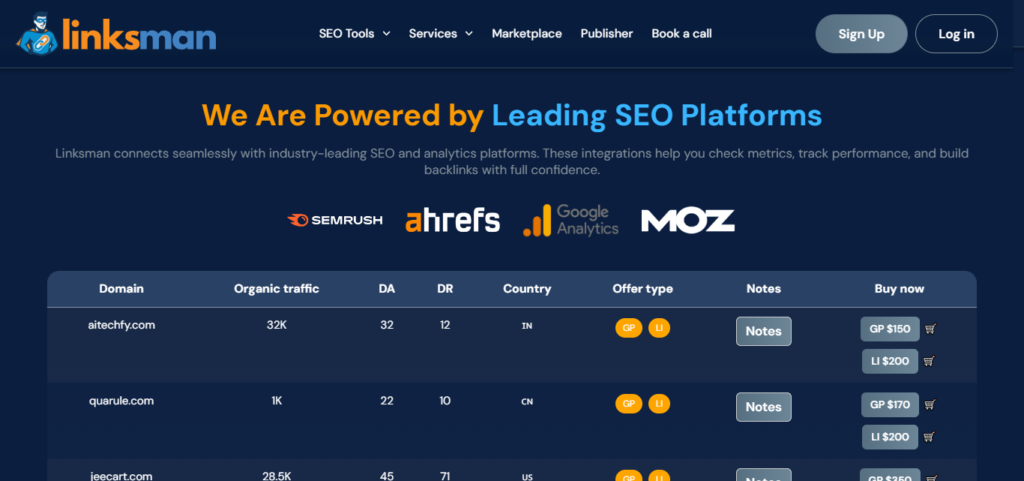
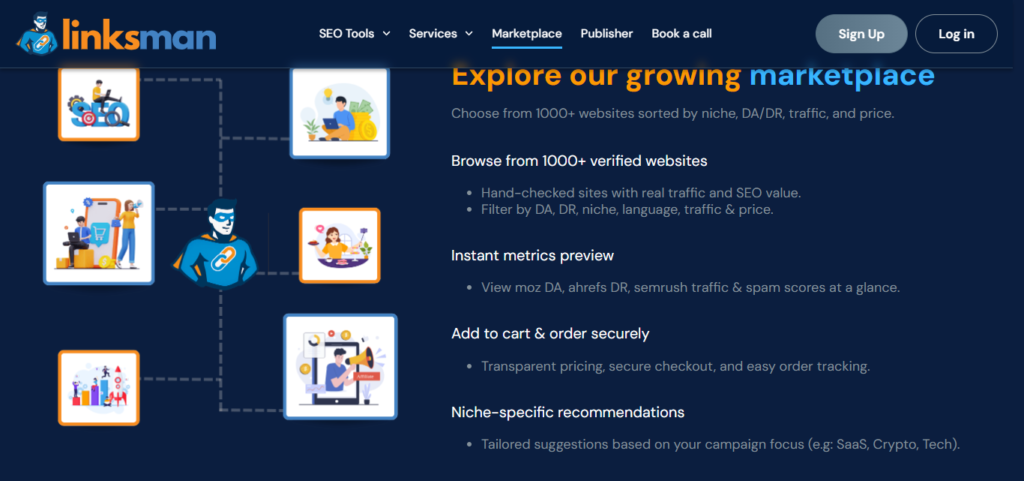
SEO reseller programs are no longer just an outsourcing shortcut for agencies. They have become a scalable business model for agencies that want to grow recurring revenue without slowing down operations. Use this guide to understand the pricing structure and choose the right growth partner for your agency. If you are specifically looking for white label link building services, you can partner with Linksman. Here, you get a transparent reporting dashboard along with a dedicated account manager and premium backlinks based on your own preferences.

FAQs about SEO reseller programs

What is an SEO reseller?

An SEO reseller is a consultant or digital marketing agency that sells SEO services under its own branding while a third-party provider manages the execution in the background.

How much does an SEO reseller cost?

SEO reseller pricing usually starts from $300 to $500 per month for basic packages and can go beyond $5,000 per month for advanced SEO campaigns.

How to track results from SEO resellers?

You can use the dashboard or white label reports provided by the SEO reseller program to track with keyword rankings and traffic data as well as backlinks.

Is an SEO reseller program risky?

SEO reseller programs are not risky when you work with transparent and experienced providers with genuine client results.

Can freelancers start an SEO reseller business?

Yes, many freelancers and consultants use SEO reseller programs to offer SEO services without managing technical fulfillment or building an internal team.
Share this topic on

Elevate your SEO with
LinksMan!

Quality guest post services and more to boost your Website’s Authority

Related Articles
Backlink Types

A Complete Guide to Backlink Types: Safe, Risky, and Harmful Links

Backlinks are one of the most essential and powerful signals that Google uses to rank any website. There is a study to back this.

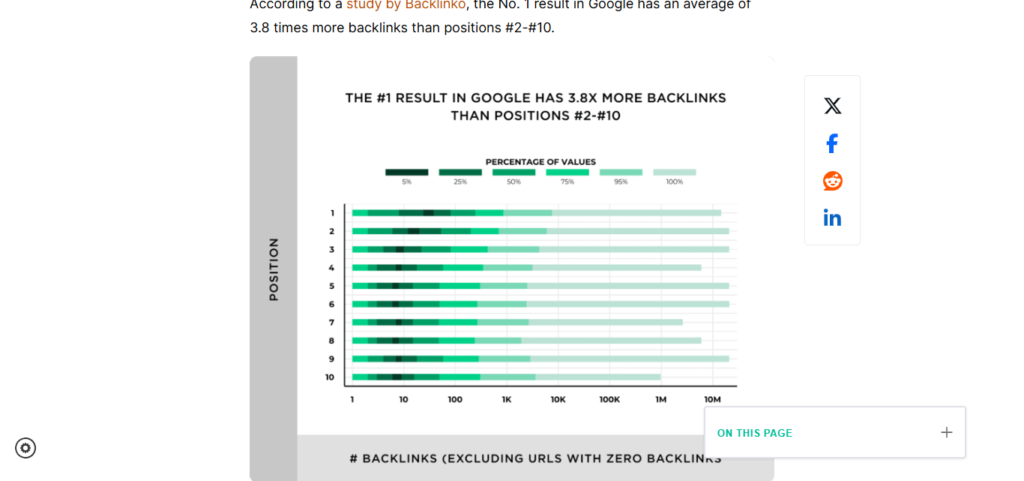
According to a Backlinko study, a webpage that ranks 1st on Google has an average of 3.8x more backlinks than webpages that pages that rank No.2 to No.10.

These backlinks serve as a trust signal, a recommendation, or, in essence, a vote of confidence.

It tells search engines,” your website is credible, valuable, and is worth checking out.” The more quality backlinks your website has, the more likely it is to rank higher in SERPs.

Simply put, backlinks are the main reason why some webpages get more traffic than others.

Undoubtedly, backlinks are important, but not all backlinks are good. Some backlinks help you rank higher, while some do nothing, and some backlinks can even hurt your website ranking in the long run. Therefore, it is essential to understand the types of backlinks and on which one you should focus – safe, grey-hat, or harmful. If you build backlinks without understanding it, you could waste your valuable time, money, and invite Google penalties.

In this blog, you will learn about the types of backlinks (safe, risky, and harmful). It will help you build the backlinks that help you rank higher in Google’s search results pages.

So, without further ado, let’s get started.

What are Backlinks?

Backlinks are links that your website gets from other websites. They are called backlinks because they “link back” to your site. Backlinks are also known as incoming or outbound links. It plays a major role in a website’s E-E-A-T (Experience, Expertise, Authoritativeness, and Trustworthiness), which is a key factor in how Google analyze content.

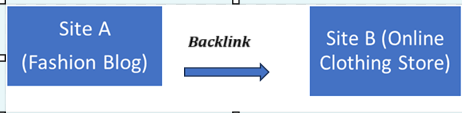
For example, if you run an online clothing store (Site B) and a popular fashion blog (Site A) links to one of your pages, that link becomes the backlink for your website. It not only brings more prospects to your store but also tells search engines that your website is credible and reputable.

Here, if website A links -> website B, it means website B has earned a backlink from Website A.

Backlinks help search engines understand that your website is useful or trustworthy. If trusted websites like Forbes.com are linking to your site, it means your content has value. That’s why Google treat them as a trust signal.

What Makes a Backlink Valuable?

A high-quality backlink will boost your ranking more than many low-quality backlinks. According to John Muller, the quantity of backlinks does not matter, but the quality of backlinks makes all the difference. He said this on Google SEO Office Hours.

Simply put, not all backlinks are equal; some can boost your website’s SEO while others may actually harm your rankings or reputation.

The following criteria define a high-quality backlink.

  • Relevance of linking page – Your website should get backlinks from sites that are related to your topic or industry. If you run a lifestyle blog, a link from the credible clothing brand website is more useful than one from any random tech directory.
  • Domain authority – A backlink from a website with strong authority, like Forbes.com or HubSpot.com, is more beneficial than a low-traffic website.
  • Anchor text quality – Anchor text is the text that users click to visit the link. Backlinks with a relevant keyword or a clear description about the linked page’s topic help Google understand the context and relevancy of the link better.
  • Placement in content – Where the backlink appears also matters. If the link is present in the middle of the blog post is more valuable than the one that is placed in a sidebar or footer. Context is also important. The backlink should be embedded naturally within the main content of the blog post. If it is placed in the sidebar, footer, or author bio, it is not that valuable. If the link is paid or placed out of context, it can harm your website’s rank.
  • Link Diversity – Your backlink profile should include links from different websites and platforms instead of relying solely on a few dominant sources. It signals search engines that your website is relevant, trustworthy, and popular.

Bonus Read: 5 Best Link Building Marketplaces in 2026 | Safe & Trusted

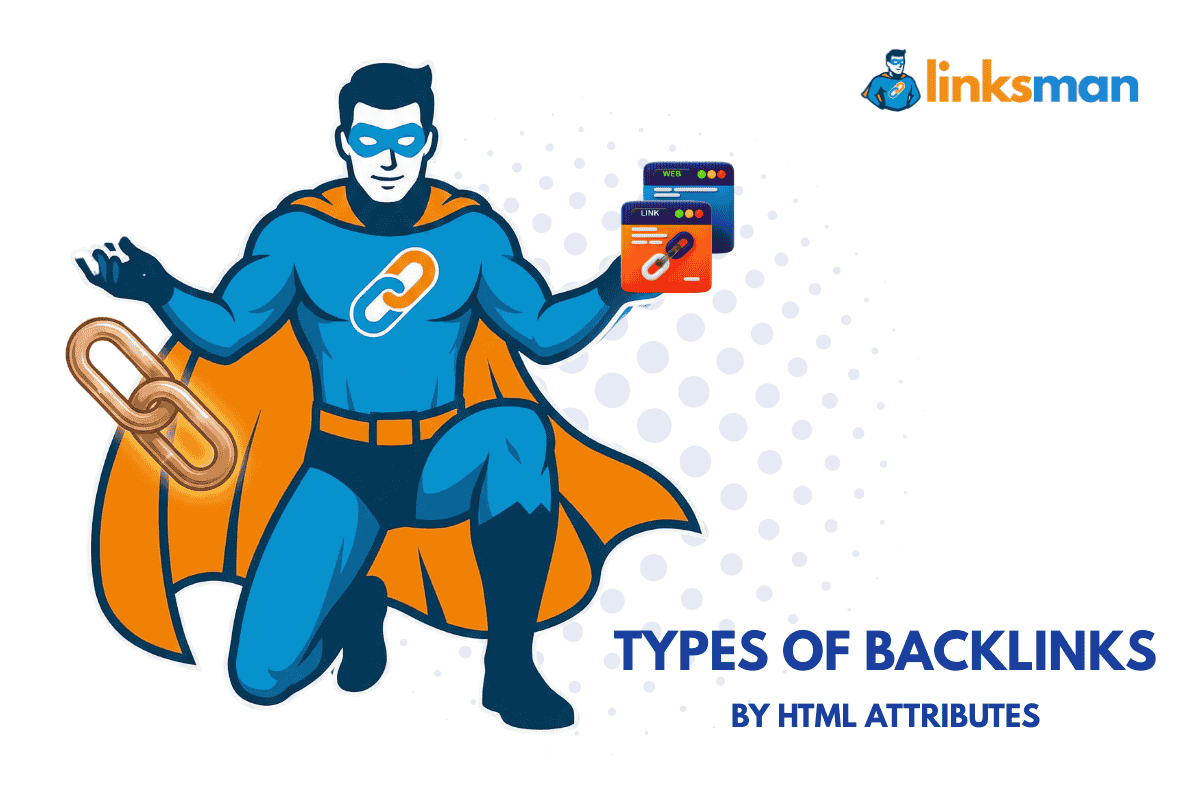
Types of Backlinks by HTML Attributes

If you want to grow your website, it is important to understand the different types of backlinks. Some types of backlinks pass authority while others are just for reference. Knowing types of backlinks helps you understand how Google sees your content and helps you build a stronger backlink profile. Before understanding its types, let us first understand what rel attributes are.

What are rel attributes?

The rel attribute, when applied to the <a> element it provides information to the search engine regarding the nature of the link, how they interpreted and passes ranking signals. Google also use these attributes for crawling and indexing purposes.

Here are four main types of backlinks.

1. Dofollow backlinks

They are the most valuable for SEO. These types of links pass authority (link juice) from the linking page to yours. If your website has more quality backlinks, your content will rank higher. All links are by default dofollow.

For example,

<a href = https://jeenaminfotech.com/> Trusted Link-Building Agency </a>

2. Nofollow backlinks

Nofollow backlinks tell search engines not to pass any authority to the linked page. Such links do not directly boost ranking, but they can still drive traffic and help you build brand visibility. These are useful when you don’t want to endorse any untrusted sites or affiliate links.

For example,

<a href = https://jeenaminfotech.com/ rel=”nofollow”> Read this </a>

3. Sponsored backlinks

Sponsored backlinks are also known as paid links. It indicates that the person inserting sponsored backlinks may get paid for doing it. Google considered them spammy. If you don’t tag sponsored links properly, it can be the reason for Google penalties or a drop in ranking.

For example,

<a href = https://jeenaminfotech.com/ rel=”sponsered”> Visit our website </a>

4. UGC backlinks

UGC backlinks usually come from user-generated content like forums, blog comments, or community discussions. It should be tagged properly to inform the search engine that the content was not published by the website owner.

<a href = https://jeenaminfotech.com/ rel=”ugc”> Read my blog </a>

 UGC links don’t pass much authority, but they can be useful for driving referral traffic or brand discovery when used naturally. 

Types of Backlinks (Based on How They’re Built and Where They Come From)

Not all backlinks are useful. Some can boost traffic significantly, while others can harm your website, and others do nothing. Here we have grouped them into three different categories – the good, the neutral, and the bad.

A. Safe Backlinks (White-Hat)

Backlinks that follow Google’s guidelines and are genuinely earned are safe backlinks. They help you boost your website’s authority over time and positively impact your SEO performance.

1. Guest Posts on Relevant Blogs

Guest post backlinks, you generally get by writing blogs or articles for other websites in your industry. You can provide valuable content to their audience, and in return, you get one or two links back to your own site. It helps you reach a new audience and build authority in your niche. 

For instance, if you are a digital marketing agency and create a blog post on digital marketing, linking it to your landing page, it’s considered a guest post link. Usually, guest post backlinks appear in the author bio or naturally within the post. To maximize your benefits, always choose websites with good authority and real traffic. Your guest post content should be clear, concise, useful, and not overly promotional.

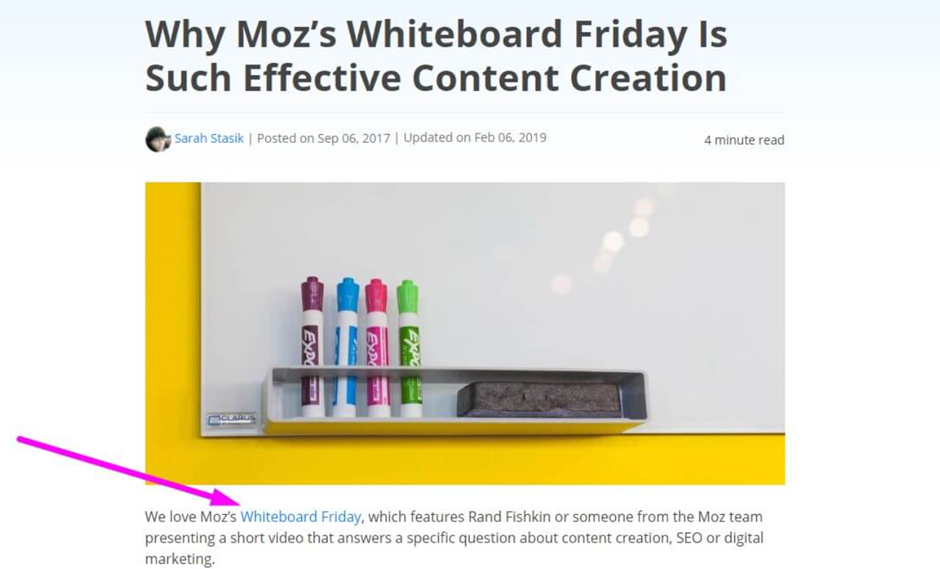
2. Editorial Links from Content

Whenever other websites find your content useful and valuable, they naturally add links to your website. You don’t ask them to do it, but they do it because your content genuinely offers something valuable, which is worth referencing. These are the best backlinks that you can get.

Usually, editorial backlinks come from blogs, news sites, or other industry resources. If you publish original research or unique insights that others want to cite, you can increase your chance of earning editorial links.

Image Source: Link

3. Contextual Links Within Body Copy

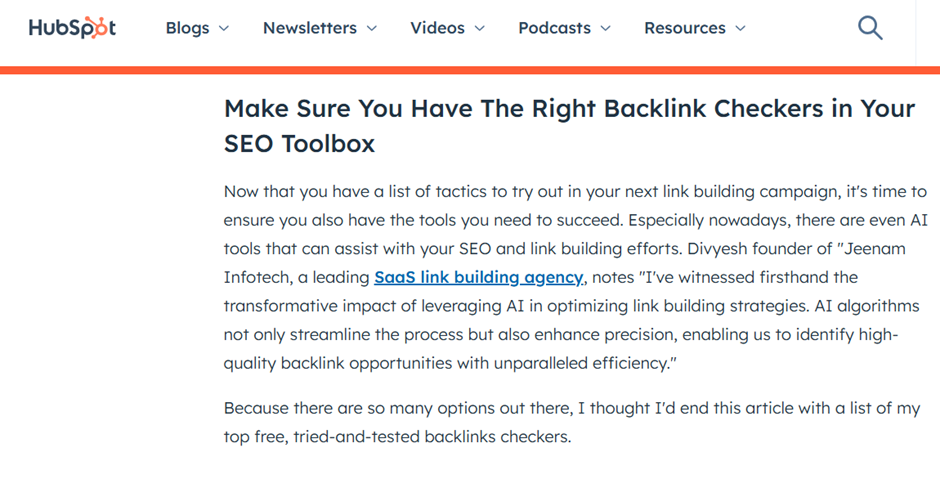
Contextual links are placed into existing content on another website. In this, you don’t write new content, but you reach out and request that they add your link to their webpage. It is also known as link insertions.

For example, if there is a good blog post on link building and your tool fits into that topic, you can ask the author to add your link. It will help you quickly get relevant links from the aged content.

Image Source: Link

Here, HubSpot has linked Jeenam Infotech contextually, which can drive massive traffic for them.
4. HARO and Expert Interviews
The full form of HARO is Help a Reporter Out. It is the platform where journalists ask for expert input. If you have in-depth expertise on that topic and your answer gets published there, it usually gives you a backlink. These links come from high-authority websites or blogs.

For example, a digital marketing journalist might ask for marketing tips. If you give them a solid answer and they use it, your name and website link might be included. Such link efforts take time, but they bring serious SEO value. You don’t need to be an expert to start; all you need to offer is value and be consistent in that.

5. Webinar Links

Do you often host or speak in a webinar? If yes, it’s a great opportunity for you to earn a backlink. These webinars are usually promoted on other websites, and they include a backlink to your site. These webinar links bring you in front of the right audience. As webinar links are based on expertise and engagement, if you want to make the most out of it, collaborate with well-known names in your field and share the event on social media platforms or community pages.  

Image Source: Link

6. Podcast Links

If you become a guest on the podcast, you can earn a backlink in the guest profile or show notes. These backlinks are valuable and tied to your personal or brand authority.

If that podcast ranks well and has loyal listeners, backlinks can be very beneficial. Therefore, to get featured, you can pitch yourself with a strong, relevant topic or story. Be helpful as it will help you build backlinks and audience trust.

Image Source: Link

7. Resource Pages

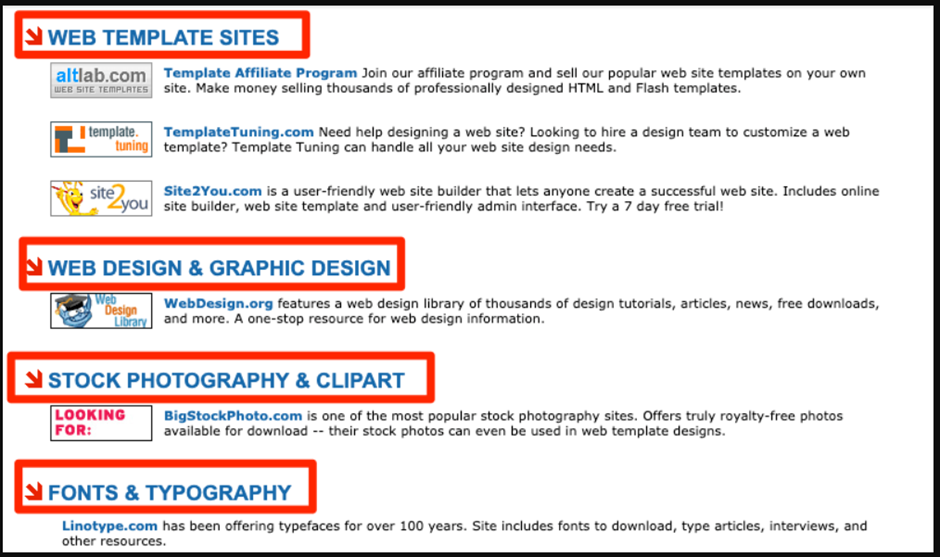
Some websites list useful resources on specific topics on their website. If your content is strong, like a tool, checklist, or guide, you can request that they add yours to their website. These kinds of backlinks are powerful when placed on the well-established blogs, .edu sites, etc.

All you need to focus on here is to offer value. If your content is unique, you can contact the site owner and explain why your link should be added here. The request should be respectable tone and in simple form.

Image Source: Link

B. Neutral or Risky Backlinks (Grey-Hat)

Grey-Hat backlinks are those types that do not carry much SEO value or harmful. Google usually ignore them. If grey-hat backlinks are used properly, they can bring real traffic, brand exposure, and link diversity. Here are some most common types of grey-hat links.

1. Directory Submissions

Directory backlinks usually come from online directories such as Google, Yelp, Tripadvisor, etc.

For example, Tripadvisor listing this Italian restaurant II Ristoro includes a backlink to its website. 

This type of link does not boost your SEO like editorial backlinks do. However, they can provide you with valuable referral traffic by improving local SEO results. You need to avoid outdated and spammy directories and choose the known, used by your target audience, and drive your real traffic.

2. Press Releases

Whenever you publish a press release and distribute it via newswire platforms, you may get backlinks from media sites. These links are nofollow and don’t boost your SEO efforts much. However, press releases can bring brand awareness and bring you referral traffic.

You must use it whenever you have something real and valuable to share. Choose high-quality PR sites or pitch your story to a known journalist in your industry.

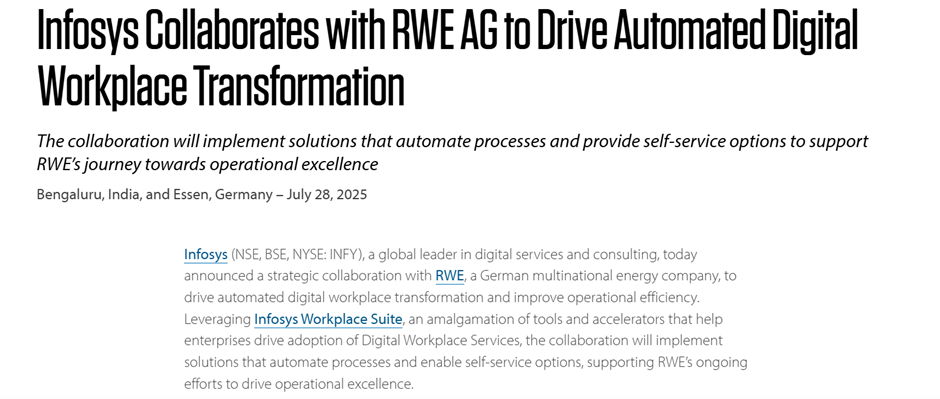
For example, here Infosys has mentioned that they collaborate with RWE, which is a German multinational energy company, by linking their website.  

3. Comment Backlinks

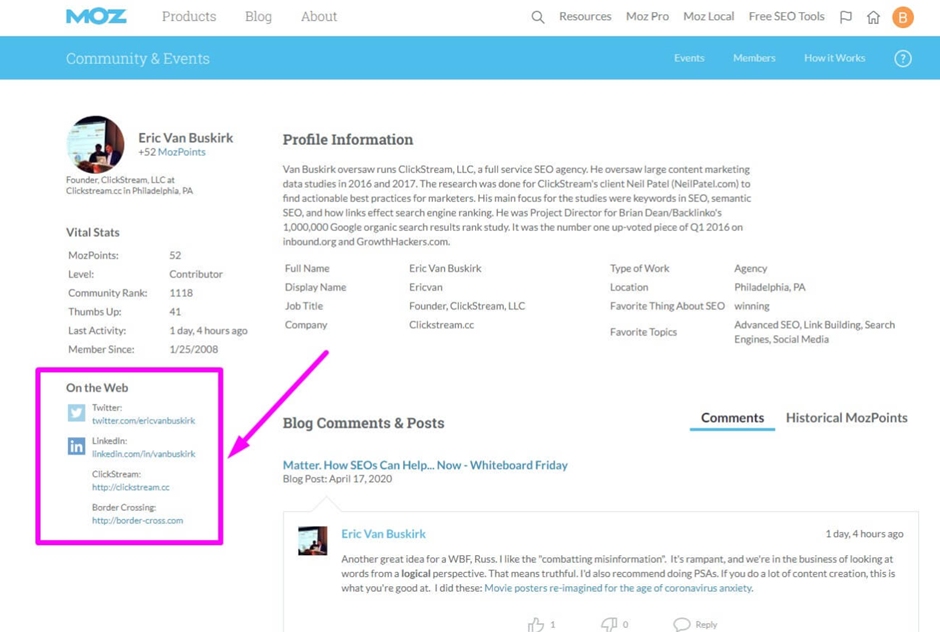
Whenever you leave a reply on the blog post, forum, or social media and include your website URL, it is a comment backlink. This backlink is nofollow by default, so it does not directly boost your SEO efforts. However, they can drive referral traffic. Only include links in comments if you provide helpful information that users are likely to appreciate. Avoid generic comments like great post.

When you comment on high-quality blogs or niche-relevant sites, it helps you stay visible in the community. 

Image Source: Link

Bonus Read: Best Link Building Services: How to Find Trusted Providers for Your Business

4. Business Profile Links

Whenever you create a profile on platforms like Google Business, Yelp, Clutch, or industry directories, you get a link to your website. It is called the business profile link. They are useful in improving local SEO efforts. These links are nofollow, but still add credibility. Ensure you have uploaded consistent details on all platforms because inconsistent details can confuse Google. 

Image Source: Link

5. Social Media Links

These are links from your social media profile pages, like LinkedIn, Twitter, Instagram, or YouTube or author bios. These are nofollows but help in improving branding and trust, and drive traffic.

Quick Comparison: Low Risk Vs High Risk Grey-Hat Links

Backlink Type Low Risk/Safe High Risk
Directory Submission Safe to use when submitting to trusted, niche-relevant, high-traffic directories like Yelp When you submit to outdated, low-quality, or irrelevant directories.
Press Releases When it is issued for actual news/events, and published on the authoritative PR platforms. Overuse of PR syndication for SEO with no real news value
Comment Backlinks Thoughtful and helpful comments on niche-relevant blogs or forums Generic or mass comments such as “Nice Post” with links to unrelated sites
Business Profile Links Creating a genuine business profile with accurate and consistent information across platforms Creating fake or duplicate solely to drop links
Social Media Links When linking from official brand accounts like bios, posts, and about sections Creating multiple fake profiles or spamming links in comments

C.    Harmful Backlinks (Black-Hat)

Some backlinks can damage your SEO. These links come from shortcuts or shady tactics that violate Google’s rules and are harmful backlinks. These backlinks aim to manipulate search rankings. So, it can hurt performance. Black-Hat backlinks can give you a temporary boost, but usually lead to penalties and, in some cases, even deindexing. You should avoid such types of backlinks if you want to improve your rankings. Here are a few examples of harmful backlinks.

1. Paid dofollow links

Buying backlinks seems tempting as it gives you a quick win. However, if the website is spammy, without real traffic, or exists only to sell links, Google can easily spot it. Such links can give you penalties, or your website ranking can drop. So, instead of paid links, invest in real content or PR.

2. Private Blog Networks and Link Farms

These are a network of websites, but they have only one purpose: to sell backlinks. They don’t have any real content, traffic, author, or purpose. Google can easily find it out. So, if your website is connected to a link farm or PBN, it can give you a manual penalty or even deindex your webpage completely. So, you should always avoid shortcuts like these.

3. Spammy Automated Tools

Some automated tools claim they can build backlinks automatically through blog posts or spinning content. Such tools create low-quality and unreadable articles with links stuffed inside. Google consider it as spam, so it won’t bring traffic and doesn’t build authority. Besides, it can damage reputation. Therefore, you should avoid any such tool or service that promises hundreds of links for cheap.

4. Forum Spam and Blog Spam

Forum spam and blog spam mean posting irrelevant or overly promotional content to increase the search traffic of the website. It is usually done by inserting links or text into comment sections, forums, or other UGC content areas on the website. As in you try to manipulate search engines, it can harm your website’s SEO performance. Therefore, only add backlinks in forums or comments, and include those that provide real value.

Link Building Strategies to Earn Quality Links

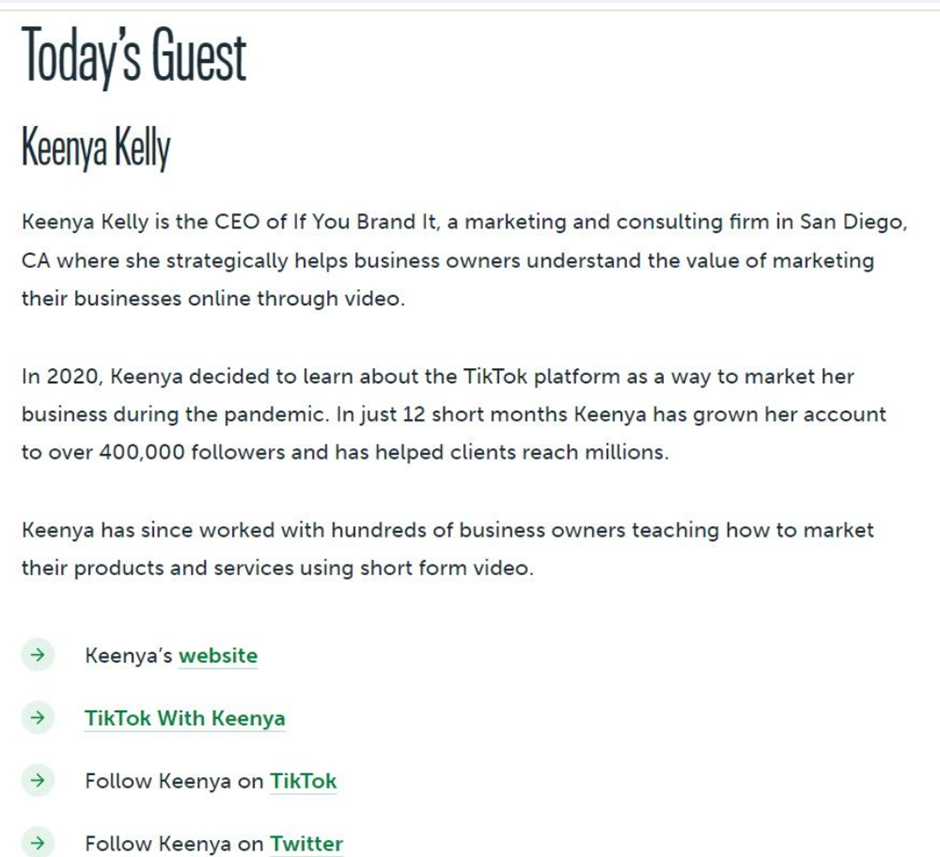
If you want to earn quality links, here are a few link-building strategies that you need to follow.

  1.     You should create useful linkable assets like guides, infographics, tools, and research.

You must focus on producing original, high-quality content that helps you get dofollow links from editorial publications.

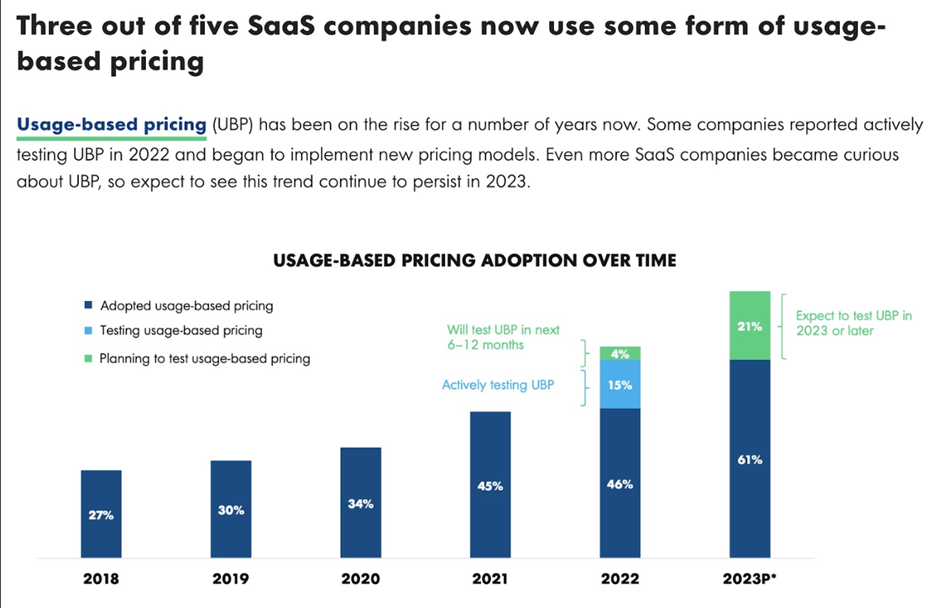
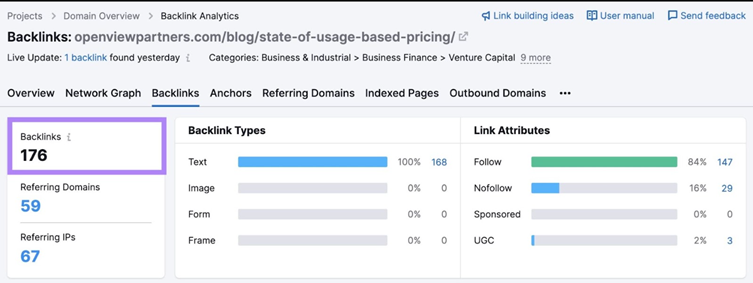
For example, you can take the example of OpenView Venture Partners. They have done a study on pricing, and as per Semrush, this study has earned 170+ backlinks since its publication, and 147 of them are dofollow. 

Image Source: Link

Image Source: Link

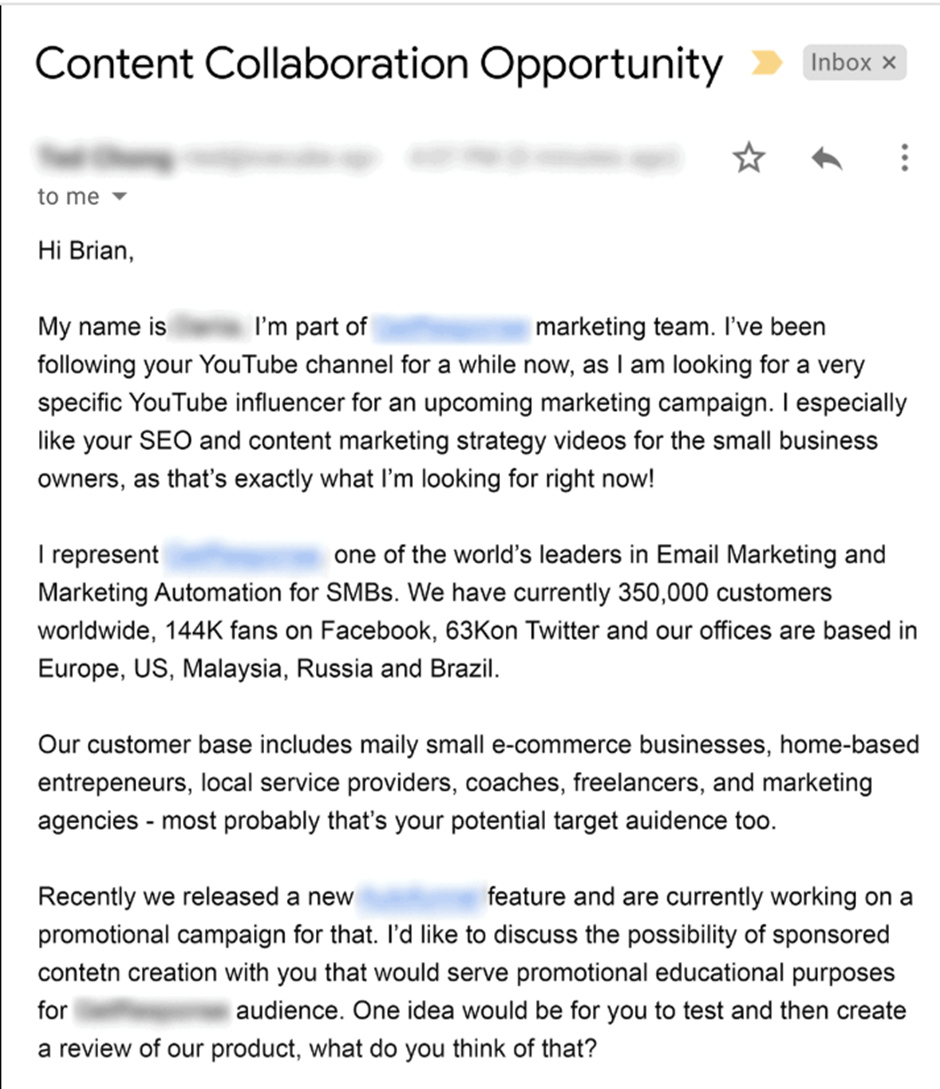
  1.     You can employ outreach strategies such as email, PR, and influencer collabs.

Email outreach, PR, and influencer collabs can help you earn quality backlinks. It will drive real traffic to your website and boost your SEO rankings. 

Image Source: Link

  1.     Build a relationship with industry blogs.

Try to know others in your industry who run authoritative websites. Engage on LinkedIn with them and give genuine, valuable comments on their blogs. It gives you an opportunity to earn a natural link opportunity. You can use link-building tools like Semrush or linksman.io to find high-authority websites in your niche and build relationships.

  1.     Repurpose content for backlinks.

From one long-form blog post, you can create infographics, reels, videos, convert them into a podcast, tutorial, and much more. Repurposing content can help you earn quality backlinks as it allows you to cater to the diverse content preferences of audiences.

 For example,

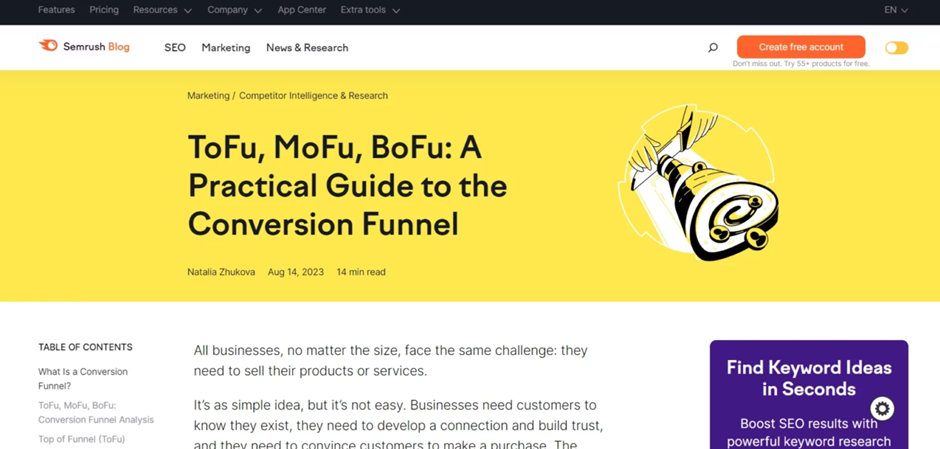
SEMrush is a master at effectively doing content repurposing. They published a high-quality blog post on the conversion funnel – ToFu, MoFu, and BoFu

Image Source: Link

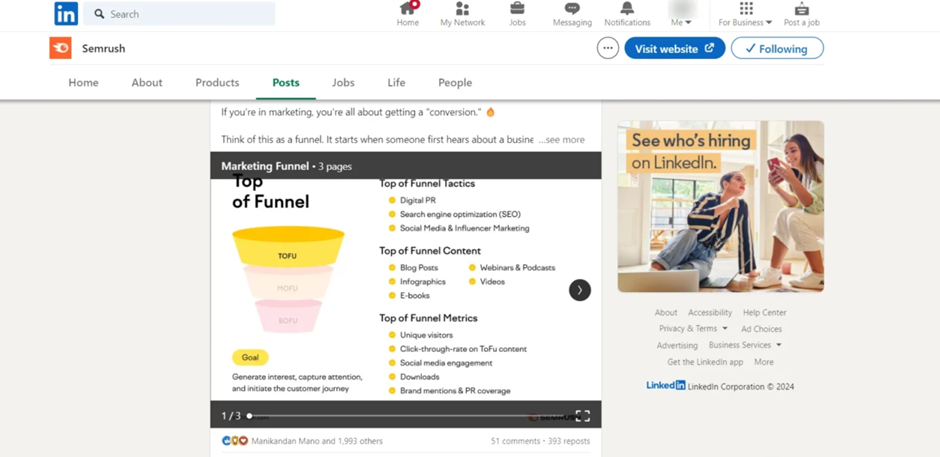
 Later, they repurpose it by creating a LinkedIn carousel post which includes all the key points from the blog.

Image Source: Link

How to Audit and Maintain a Healthy Backlink Profile

Once you’ve started building backlinks, start auditing and maintaining them. So, they help your website rank, find you new growth opportunities, and here is how to do it right.

  • You can use tools like Google Search Console, Ahrefs, SEMrush, etc., to check how many backlinks you currently have and which pages they point to.
  • Regularly monitor new and lost backlinks. If you lose any good backlinks, reach out to them and try to get them back.
  • If you find any toxic backlinks which can harm your website, use tools like SEMrush or Moz, identify them and disavow them if required.
  • Focus on which one is bringing traffic, guest posts, blogs, resource pages, etc, and double down your strategies on those.
  • Ensure your links are using natural and relevant anchor text and are placed in useful content. It affects how much SEO value they pass.
  • Focus on quality instead of quantity. Don’t try to build 200 links in 15 days and then stop. Google usually prefer steady and organic growth. So, keep publishing and tracking your progress month by month.

Epilogue – Types of Backlinks

Backlinks are valuable even after the recent Google algorithm updates. However, building the backlink that actually works takes time, effort, and a strategic and ethical approach. Hopefully, by reading this blog, you understood what is the difference between safe, risky, and harmful backlinks and which one you should choose. However, before we sign off, here are a few things that you should keep in mind while building your backlink strategy.

  •   Focus on quality instead of quantity.
  •   Always obtain links from reputable and relevant websites.
  •   Never chase automated or spammy backlinks.
  •   Avoid shortcuts, as they can harm your website’s credibility.
  •   If you notice any toxic link, clean it up immediately.
  •   Optimize your link-building strategy for long-term SEO success.
  •   To strengthen your backlink profile, regularly audit it. 

Do you need help auditing your backlink profile? Get in touch with us today!

FAQs

1. What are toxic backlinks?

Toxic backlinks are those that come from low-quality or spammy sites. If it is one or two, Google may ignore it, but if your website has too many toxic backlinks, it can harm your rankings and even trigger manual penalties. You must use tools to identify and disavow them if required.

2. Are nofollow backlinks valuable for SEO?

Yes, nofollow backlinks are valuable for SEO. They don’t directly boost search engine rankings like dofollow links. However, they can drive referral traffic, increase brand awareness, and help you build a more natural and diverse link profile.

3. How often should I check my backlink profile?

You should check your backlink profile at least once a month to ensure it is not harming your SEO efforts. The ideal frequency depends on the website’s size, industry, and link-building activity.

Small websites and blogs Every 1-2 months
Medium-sized businesses Every 2 to 4 weeks
Large websites and eCommerce websites Every week or bi-weekly
New websites Every three months
Established sites – low-competition niche Every 6 to 12 months
High competition industries Every 2 to 4 months

4. Are all paid links considered harmful?

Not all paid links are harmful, but many of them are. Buying or selling links to manipulate search ranking is against Google’s guidelines.

5. How do I disavow backlinks in Google Search Console?

If you want to disavow backlinks in Google Search Console, follow these steps.

  • Create a text file.
  • List the URLs or domains you want to disavow.
  • List URL in this format – domain:example.com

Upload this text file through the disavow links tool in Google Search Console for the specific property. Google will ignore these backlinks to your site.