How to Get Backlinks from Edu Sites in 2026

How to Get .Edu Backlinks in 2026 (12 Proven Strategies)

.Edu backlinks are among the most trusted types of links in SEO because they come from universities and educational institutions with strong domain authority. Data shows that many .edu sites have domain ratings of 70+, which is one reason Google values them a lot. Even a single backlink from these domains can increase your website credibility and make your backlink profile strong. However, securing links from educational sites is not easy and requires the right strategy. In this guide, we will share 12 proven free and paid strategies to help you earn quality .edu backlinks in an ethical way. You will also find a list of useful tools and resources to support the process.

.Edu backlinks – Key highlights

  • .Edu domains are limited to accredited institutions and that’s why these backlinks are harder to obtain.
  • EDU outreach campaigns often see response rates between 5% and 10%, meaning only a small percentage of outreach emails lead to backlink opportunities.
  • Educational websites often maintain resource pages that link to external tools and student resources.
  • Backlinks from .edu and .gov domains tend to stay active longer than most link types with a relatively low annual link loss rate of around 2% to 4%. (Moz)
  • Getting backlinks from .edu sites can take up to 6 months because universities mostly require manual outreach and valuable content before adding external links.
  • High-authority .edu backlink campaigns can cost between $2,000 and $10,000+ depending on outreach scale and university authority.
LInksman How to Get Backlinks from Edu Backlink

What are .edu backlinks?

The term “.edu backlinks” refers to hyperlinks that point to your website from a domain using the .edu extension, which is typically owned by universities and colleges. For example, a backlink from Harvard University’s website using the domain harvard.edu is considered an .edu backlink.

Other terms used for .edu backlinks include:

  • Educational institution links
  • University backlinks
  • Academic backlinks
  • Higher education links

12 proven ways to get .edu backlinks in 2026

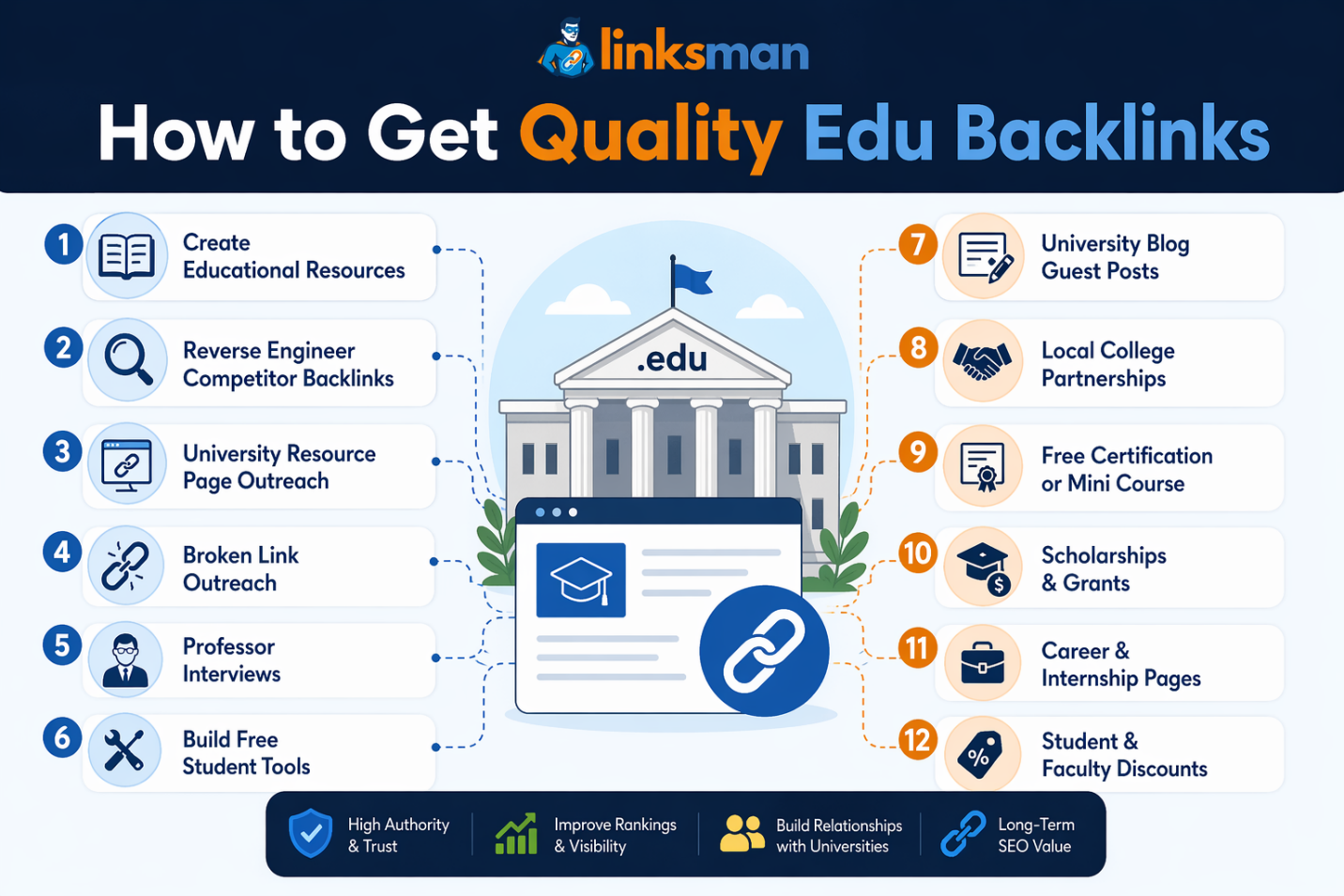
Getting .edu backlinks might seem difficult in the beginning, but with the right strategy and tools you can easily get quality edu links for your website. Below are 12 proven free and paid strategies you can use.

Strategy Name Difficulty Time Required Estimated Cost Best For
Create Educational Resources Medium 4 to 12 weeks $200 to $5,000+ Websites with content teams
Reverse Engineer Competitor Backlinks Easy to Medium 1 to 3 months $100 to $500 Fast opportunity discovery
University Resource Page Outreach Medium 2 to 4 months $100 to $5,000 Existing guides or tools
Broken Link Outreach Medium 1 to 3 months $100 to $600 Content heavy websites
Professor Interviews Medium 1 to 3 months $0 to $500 Authority and niche expertise
Build Free Student Tools Medium to Hard 2 to 6 months $300 to $5,000+ SaaS, calculators, utilities
University Blog Guest Posts Medium 1 to 3 months $200 to $2,000+ Thought leadership
Local College Partnerships Medium 2 to 6 months $2,000 to $10,000 Local businesses
Free Certification or Mini Course Medium to Hard 2 to 4 months $1,000 to $10,000 Education and training brands
Scholarships & Grants Medium 2 to 6 months $10,000 to $25,000+ Large outreach campaigns
Career & Internship Pages Medium to Hard 3 to 6 months $10,000 to $50,000 Hiring companies
Student & Faculty Discounts Easy to Medium 1 to 2 months $1,000 to $10,000 SaaS, subscriptions, tools

Create very helpful educational resources

Educational resources are helpful guides or documents that provide value to students and teachers as well as researchers. Universities often link to these resources on student help library pages or department resource sections when the content supports learning or career development.

According to multiple backlink studies – resource pages remain one of the most common sources of .edu backlinks because universities regularly maintain lists of trusted external references.

Examples of educational resources:

  • Career guides
  • Salary reports
  • Study templates
  • Industry statistics pages
  • Research summaries
  • Free learning materials

How to create educational resources that attract .edu links:

  • Focus on topics connected to education or careers
  • Create content that universities already reference on resource pages
  • Publish data backed content such as statistics or industry trends
  • Build downloadable assets like templates or PDF worksheets
  • Create beginner guides that explain complex topics simply
  • Add citations or sources to increase credibility
  • Keep the page evergreen so universities can continue linking to it long term
  • Outreach to department pages and student resource centers after publishing

Difficulty level – Medium

Time required – 4 to 12 weeks

Estimated cost – $200 to $5000+ depending on content depth and design quality

Here is an example of educational resource on MIT OpenCourseWare.
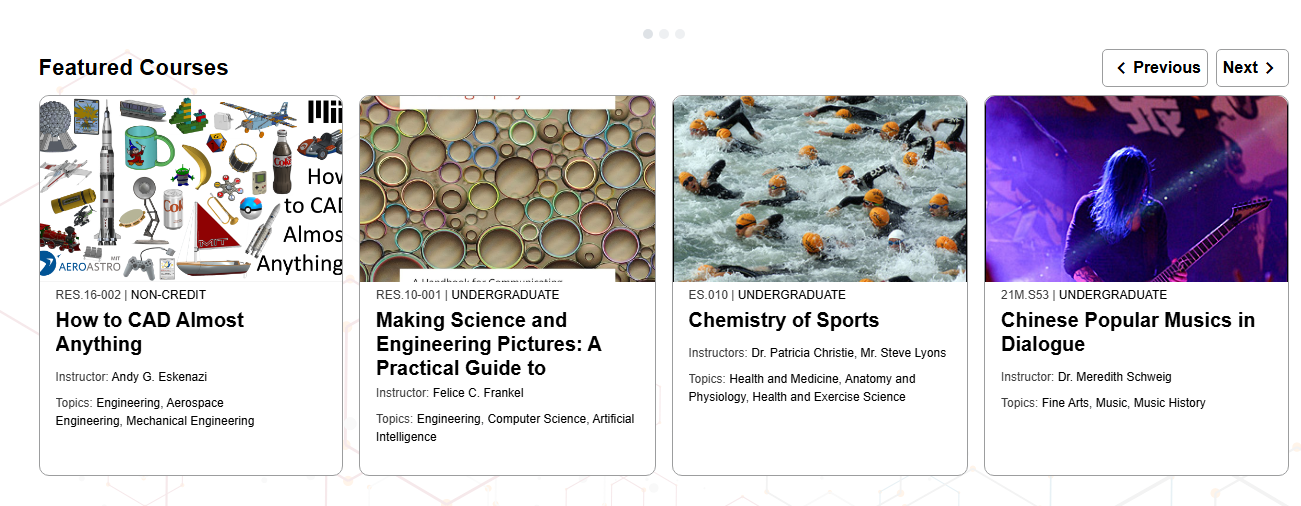
example of educational resource

Reverse engineer competitor .edu backlinks

Most people use this method because it saves both time and money. Reverse engineering competitor .edu backlinks means analyzing where competing websites are getting educational links from and finding similar opportunities for your own website. Instead of searching for universities one by one, this strategy helps you find pages that already link to content in your niche. This method works well because universities usually follow linking patterns. If multiple competitors have links from the same college resource page, there is a good chance your content can also qualify for placement.

How to get edu backlinks using this method:

  • Find 3 to 5 competitors ranking for your target keywords
  • Enter their domains into backlink tools like Ahrefs or SEMrush
  • Filter backlinks by “.edu” domains
  • Export the list of linking pages
  • Identify repeated universities or departments linking to multiple competitors
  • Study what type of content received the link
  • Create a better or similar resource on your website
  • Reach out to the university page owner with your content suggestion

What to look for in competitor EDU backlinks:

  • Resource pages
  • Career center links
  • Scholarship pages
  • Faculty blogs
  • Student publications
  • Research references
  • Department resource pages

Difficulty level – Easy to medium

Time required – 1 to 3 months

Estimated cost – $100 to $500 for SEO tools and outreach software

Get featured on university resource pages

If you already have E-E-A-T content or other credible resources that can help students, you can use this method. University resource pages are sections on college or department websites that list helpful external links for students and faculty members. These pages often include career resources and learning tools as well as industry guides and helpful websites. This strategy works well because universities actively look for useful resources that support student learning or professional development.

How to get edu backlinks using this strategy:

  • Create a helpful resource related to your niche
  • Search for university resource pages using Google footprints

Use searches like:

site: .edu “resources” + keyword

site:. edu “helpful links” + niche

site: .edu “student resources” + topic

  • Review the page to understand the type of links already included
  • Find the page owner or department contact
  • Send a short outreach email explaining how your resource helps students
  • Follow up if you do not receive a response

Difficulty level – Medium

Time required – 2 to 4 months

Estimated cost – $100 to $5,000 depending on content creation and outreach

Here is an example of resource page from Princeton University.
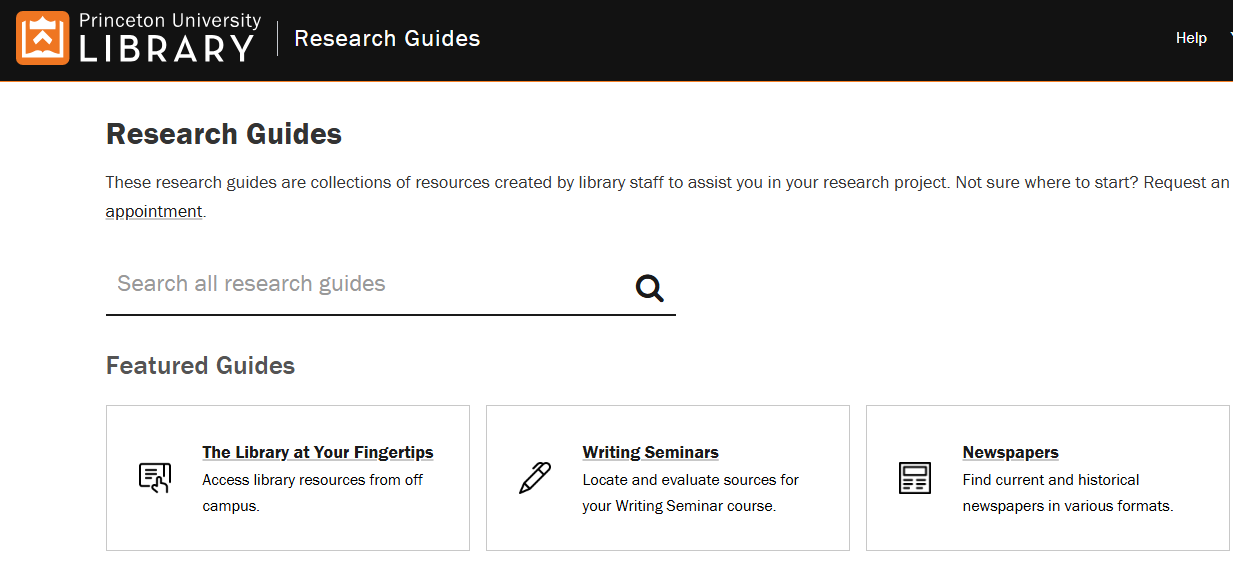
example of Princeton University

Find and replace broken links on .edu sites

According to Ahrefs, educational and government websites often show a higher percentage of broken links, with studies estimating an average rate of 8% to 12% because many pages remain archived or outdated over time. Broken link building is a strategy where you find outdated or dead links on university websites and suggest your content as a replacement. This is a win-win strategy where replacing these broken links helps universities maintain their pages while giving you an opportunity to earn a relevant .edu backlink.

How to get edu backlinks with this technique:

  • Search for university resource pages related to your niche
  • Use tools like Ahrefs, Screaming Frog SEO Spider, or Check My Links to find broken links
  • Filter pages that contain external resource links
  • Identify broken pages relevant to your industry
  • Create or update content matching the original topic
  • Find the university page owner or webmaster
  • Send a short email reporting the broken link
  • Suggest your content as a replacement resource
  • Follow up after a few days if needed

Difficulty level – Medium

Time required – 1 to 3 months

Estimated cost – $100 to $600 for SEO tools and outreach

Interview professors and faculty experts

Interviewing professors and faculty experts is a relationship based strategy where you feature academic professionals in your content and earn backlinks when they share or reference the interview. Universities often allow faculty members to publish interviews and media mentions on their profile pages or department websites. This creates an opportunity to gain relevant .edu backlinks while building authority around your topic.

How to get .edu backlinks using this strategy:

  • Find professors related to your industry or niche
  • Search faculty directories on university websites
  • Reach out with a short interview request
  • Ask questions related to research or career advice
  • Publish the interview on your blog or resource page
  • Include the professor’s bio and university profile link
  • Notify them once the article is live
  • Ask if they can share or reference it on their faculty page or department website

Difficulty level – Medium

Time required – 1 to 3 months

Estimated cost – $0 to $500 depending on outreach and content production

Here is an example of faculty page from UCLA.
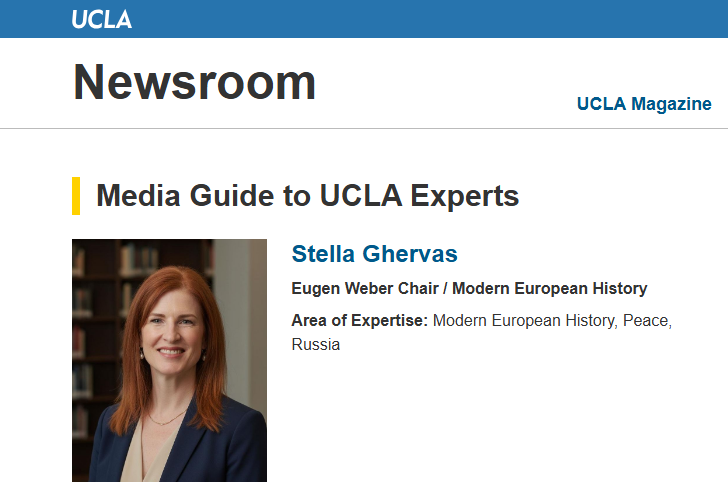
example from UCLA

Build free tools for students

You can try this method if you have the necessary resources to build tools. Free tools are one of the most linkable assets for earning .edu backlinks because universities often recommend practical resources that students can use regularly. Unlike blog posts, tools can continue attracting backlinks over time because they remain useful long after publication.

How to use this method:

  • Identify a common problem students face in your niche
  • Create a simple tool that solves that problem
  • Build a dedicated landing page explaining how the tool works
  • Add instructions and use cases
  • Make the tool free to access without barriers
  • Search for university resource pages related to your topic
  • Reach out to departments or student resource pages
  • Suggest your tool as a useful addition for students

Free tool ideas that attract .edu backlinks:

  • GPA calculator
  • Resume builder
  • Citation generator
  • Budget calculator
  • Study planner
  • Career salary calculator
  • Reading time calculator
  • Academic checklist generator

Difficulty level – Medium to hard

Time required – 2 to 6 months

Estimated cost – $300 to $5,000+ based on tool complexity and development

Example of free tools on Purdue University page.
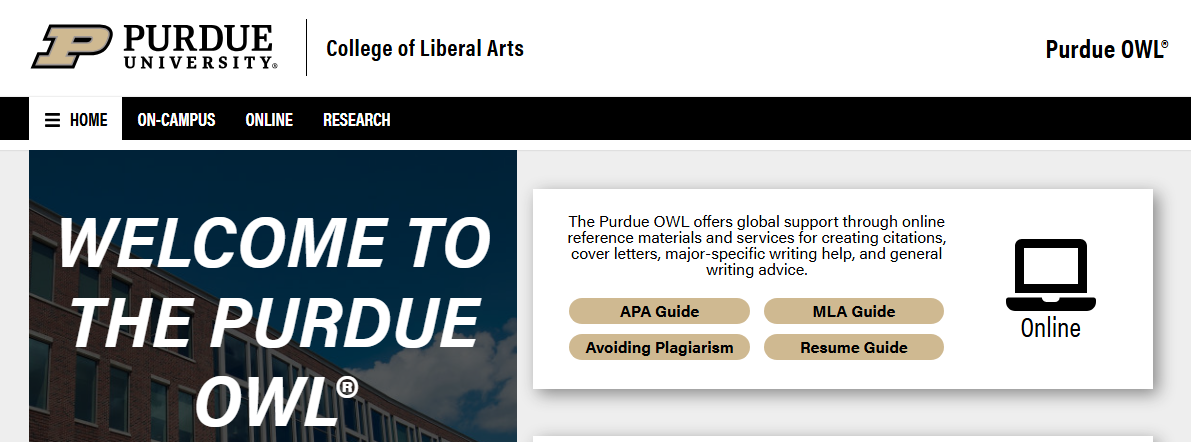
free tools on Purdue University

Publish guest content on university blogs

University blogs often publish articles from industry experts and researchers as well as alumni and guest contributors. These blogs cover topics related to education, careers, technology, student life, and research. Publishing content on these platforms can help you earn a contextual .edu backlink while reaching a relevant academic audience.

How to get edu backlinks with this strategy:

  • Search for university blogs related to your niche
  • Look for guest contribution guidelines or contributor pages
  • Identify student blogs or faculty publications
  • Pitch a topic connected to education or industry trends
  • Focus on useful and non-promotional content
  • Include examples or statistics
  • Add a natural backlink within the article or author bio
  • Build relationships with editors for future opportunities

Difficulty level – Medium

Time required – 1 to 3 months

Estimated cost – $200 to $2,000+
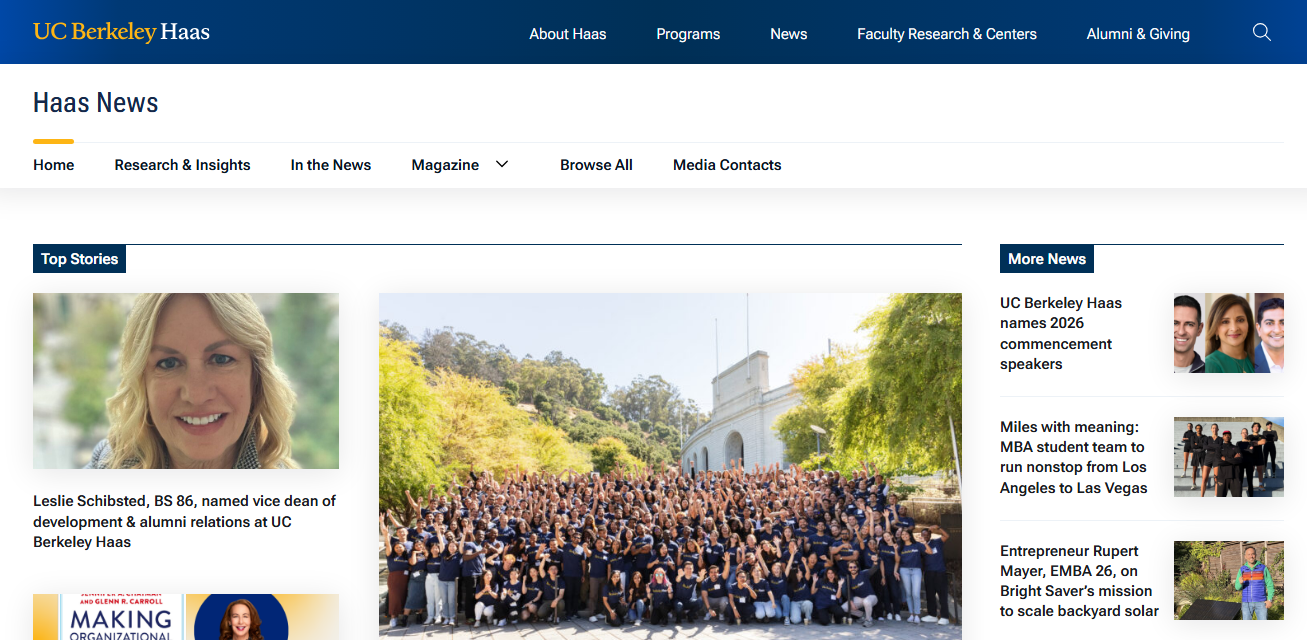
Publish guest content on university blog

Partner with local colleges and universities

You can always start with the colleges and institutions in your area as they are easy to target. Partnering with local colleges and universities is a practical way to earn .edu backlinks through community involvement and campus collaborations. These partnerships can lead to backlinks from college websites and event pages. This strategy works well because local colleges prefer working with nearby businesses that can provide value to students or support campus initiatives.

How to get .edu backlinks with local partnership:

  • Identify colleges and universities in your local area
  • Research departments related to your industry
  • Offer workshops or training sessions
  • Partner on student projects or competitions
  • Provide internship or mentorship opportunities
  • Sponsor local campus activities or programs
  • Ask to be listed on sponsor or community pages
  • Maintain long term relationships for future backlink opportunities

Ways to collaborate with local colleges:

  • Career development programs
  • Student mentorship sessions
  • Campus events
  • Local business partnerships
  • Guest speaking opportunities
  • Department collaborations
  • Community education programs

Difficulty level – Medium

Time required – 2 to 6 months

Estimated cost – $2000 to $10,000 depending on partnership type and involvement

Launch a free certification or mini course

Free certifications and mini courses are educational assets that universities may recommend to students looking to build skills outside the classroom. It is a good way to get backlinks. A short course or certification page can become a strong .edu link opportunity when positioned as a helpful learning resource.

How to get edu. backlinks with this technique:

  • Choose a topic related to your industry or niche
  • Create a short course with practical lessons or modules
  • Offer a free certificate of completion
  • Build a landing page explaining course outcomes
  • Include learning objectives and student benefits
  • Add downloadable materials or worksheets
  • Search for university learning resource pages
  • Reach out to departments or career centers
  • Suggest your course as a free educational resource

Types of mini courses that attract .edu backlinks:

  • Career skills training
  • AI training courses
  • Resume or interview preparation
  • Digital marketing basics
  • Coding or technical skills
  • Industry introduction courses
  • Business or entrepreneurship lessons
  • Study and productivity training

Difficulty level – Medium to hard

Time required – 2 to 4 months

Estimated cost – $1000 to $10,000

Create scholarships and student grant programs

Compared to other strategies, this one can be a bit expensive. Scholarships and student grants are one of the most common ways to earn .edu backlinks because universities regularly maintain financial aid and scholarship pages. When you create a scholarship or grant, colleges may list it as an opportunity for students and link back to your website.

How to get edu backlinks using this strategy:

  • Create a scholarship or grant related to your industry
  • Decide eligibility, application rules, and reward amount
  • Build a dedicated scholarship page on your website
  • Include deadlines and application details
  • Search for university scholarship listing pages
  • Contact financial aid offices or scholarship coordinators
  • Share your scholarship page with relevant departments
  • Follow up to request inclusion on scholarship resource pages

Difficulty level – Medium

Time required – 2 to 6 months

Estimated cost – $10,000–$25,000+ depending on scholarship amount and outreach scale
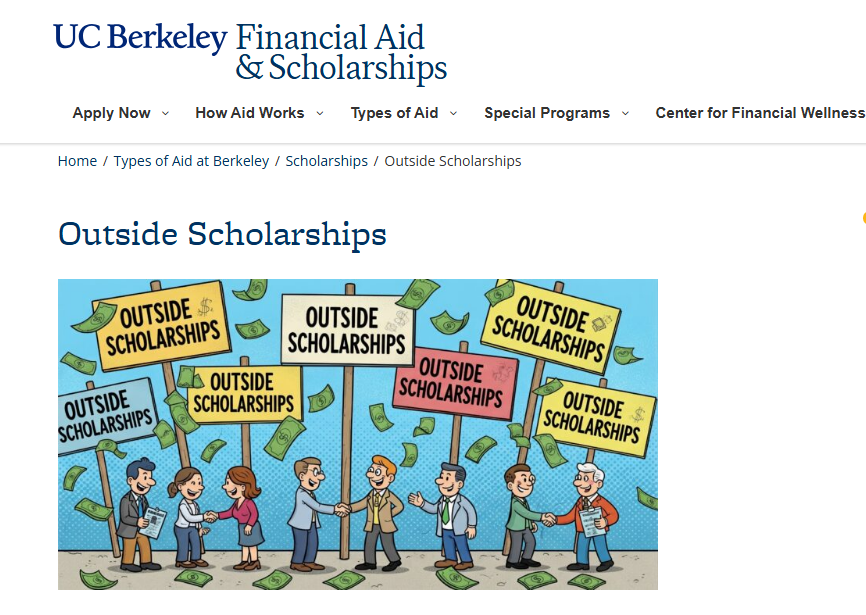
Outside scholarships

Offer jobs or internships to students

You can also offer jobs or internships to fresh graduates or students. Career and internship pages help universities connect students with job opportunities and internships. Many colleges maintain job boards and employer resource pages where they link to companies offering student friendly roles. Creating a dedicated careers page on your website can increase your chances of earning .edu backlinks from university employment resources.

How to get edu backlinks using this method:

  • Create a careers or internships page on your website
  • Add internships or entry level opportunities
  • Include job descriptions, salary ranges, and application details
  • Highlight remote roles or student-friendly positions
  • Mention learning opportunities and career growth
  • Search for university career centers and job boards
  • Reach out to placement offices or career departments
  • Request listing on student employment or internship pages
  • Keep your careers page updated regularly

Difficulty level – Medium to hard

Time required – 3 to 6 months

Estimated cost – $10,000 to $50,000 depending on hiring setup and outreach

Give student and faculty discounts

Student and faculty discounts are promotional offers created specifically for university communities. Many colleges maintain discount pages and student benefits sections where they link to brands offering special pricing. If your business provides a useful product or tool, offering an academic discount can help you earn .edu backlinks from these pages.

How to use this strategy:

  • Create a dedicated student or faculty discount page
  • Offer a percentage discount or special plan
  • Clearly explain eligibility requirements
  • Add verification options such as student email access
  • Search for university discount or student benefit pages
  • Reach out to student services departments or campus resource teams
  • Request inclusion on student savings or software recommendation pages
  • Keep discount details updated regularly

Discount ideas that work well:

  • Software discounts
  • Student subscriptions
  • Certification discounts
  • Online learning discounts
  • Productivity tool discounts
  • SaaS free plans for students

Difficulty level – Easy to medium

Time required – 1 to 2 months

Estimated cost – $1000 to $10,000 based on discount structure and outreach
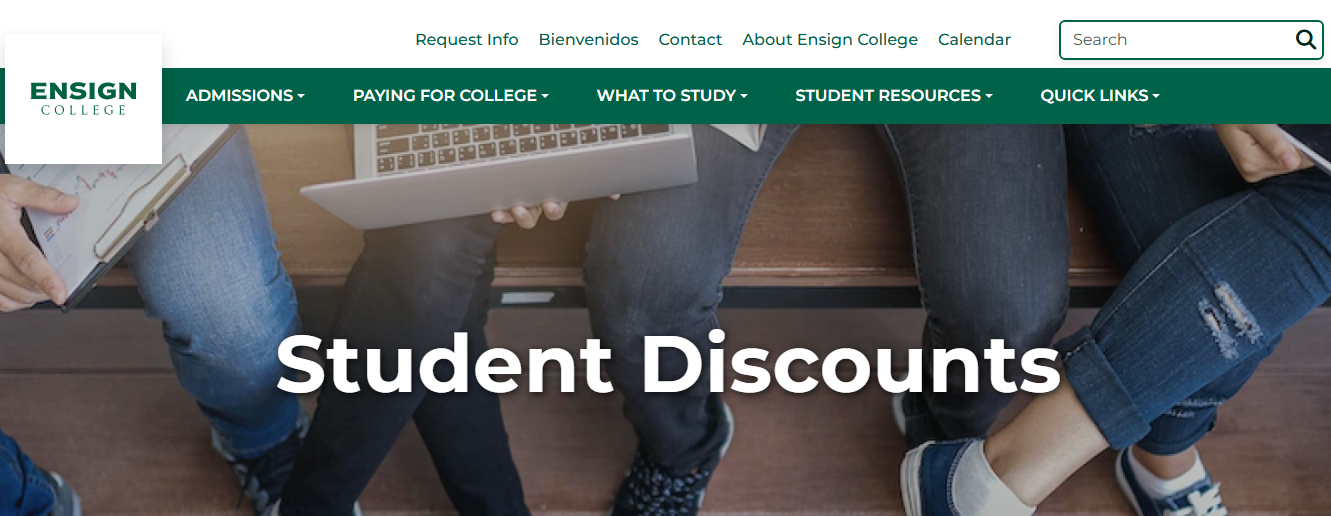
student and faculty discounts

Best tools and platforms for finding edu backlink opportunities

Finding .edu backlink opportunities is not easy, but you can use a few SEO tools and platforms to get the best results. Here’s what you need to run a successful edu backlinks outreach campaign.

Tool / Platform Purpose Best Use Case
Ahrefs Backlink analysis Find competitor .edu backlinks and broken links
SEMrush SEO and backlink research Filter backlinks by .edu domains
Free tools from Linksman Link checking tools Check broken links, backlink status, dofollow/nofollow links, and link health
Screaming Frog SEO Spider Website crawling Identify broken links on .edu pages
Hunter.io Contact discovery Find university staff or webmaster emails
BuzzStream Outreach management Track backlink outreach campaigns
Pitchbox Outreach automation Scale university outreach
Moz Pro Domain authority analysis Evaluate authority of .edu websites
Majestic Link quality analysis Measure trust and backlink strength
SpyFu Competitor research Get competitor backlink strategies
Check My Links Broken link checking Quickly scan resource pages
College Navigator University database Find more than 7000 accredited colleges
Peterson’s College directory Research institutions and contacts
Google Search Operators Manual research Find resource pages and .edu opportunities

What makes an edu backlink powerful?

Not all .edu backlinks have the same SEO value. A strong educational backlink usually comes from a relevant page and appears naturally within content to provide value to users.

  • Page relevance – Links from pages related to your niche usually perform better.
  • Link placement – Links inside content are stronger than footer or sidebar links.
  • Anchor text – Clear and relevant anchor text helps search engines understand the page.
  • Traffic potential – Pages with regular visitors can send referral traffic.
  • Dofollow vs nofollowDofollow links pass SEO value, while nofollow links support visibility.
  • Link neighborhood – Pages linking to trusted websites often carry more authority.
  • Editorial vs directory links – Contextual links inside articles are usually stronger than directory listings.

What are the different types of .edu backlinks and their SEO value?

Different types of .edu backlinks come from different sections of university and college websites. Some links carry higher authority because they appear on trusted academic pages, while others help improve niche relevance and visibility. Understanding these backlink types can help you focus on the opportunities that best match your industry and outreach strategy.

Type of .Edu Link Where It Comes From SEO Value
Resource Page Links Student resource pages High authority and relevance
Scholarship Links Financial aid pages Strong trust signals
Career Links University job boards Relevant for hiring pages
Faculty Links Professor or faculty pages Topical authority
Research Links Academic papers or studies High credibility
Student Blog Links Campus blogs Natural editorial links
Department Links Academic department pages Strong niche relevance
Event Links University event pages Brand visibility
Alumni Links Alumni directories Trusted profile links
Discount Links Student offer pages Good for SaaS and tools

Common mistakes to avoid when building edu backlinks

When building .edu backlinks, you should avoid these common mistakes as it can reduce your chances of getting listed.

  • Only focusing on the .edu domain instead of page quality and relevance
  • Buying fake or spammy .edu backlinks from low quality sellers
  • Sending generic outreach emails without personalization
  • Creating scholarship pages with little value or poor information
  • Ignoring niche relevance between your content and the university page
  • Targeting unrelated departments or resource pages
  • Using promotional content instead of educational resources
  • Failing to update outdated tools or resource pages
  • Reaching out without checking if the university page accepts external links
  • Expecting quick results from university outreach campaigns

Wrapping up

.edu backlinks can help improve your website’s credibility when they come from relevant university pages. The best results usually take time and come from useful content and good outreach. Instead of focusing only on the domain extension, try to give universities something worth linking to. Over time, this genuine effort can help you earn quality backlinks that support long term SEO results.

FAQs on .edu backlinks

1. How many .edu backlinks do you need?

There is no fixed number, but many websites start seeing value with 5 to 15 relevant .edu backlinks from trusted pages. A smaller number of high-quality links is often more useful than many low quality placements.

2. What’s the difference between .edu backlinks vs .gov backlinks?

.edu backlinks come from educational institutions, while .gov backlinks come from government websites. Both are trusted domains, but relevance to your niche is more important than the extension.

3. Are .edu backlinks still worth it in 2026?

Yes, .edu backlinks are still valuable because universities often have strong authority and trusted websites. Their impact depends on page relevance and content quality.

4. When can you see results from .edu backlinks?

SEO results from .edu backlinks usually take a few weeks to several months. The timeline depends on your niche, competition, and overall backlink profile.

5. Why are .edu backlinks considered valuable in SEO?

Educational websites usually go through a strict registration and verification process before receiving a .edu domain. Because these institutions are accredited and well-established, their websites often build strong authority over time.

6. Do all educational websites use the .edu domain?

No, not all educational institutions use the .edu extension. Many universities and colleges around the world operate on different domain formats based on their country or education system.

Domain Extension Commonly Used In
.edu United States
.ac.uk United Kingdom
.edu.au Australia
.ac.in India
.edu.sg Singapore
Share this topic on

Elevate your SEO with
LinksMan!

Quality guest post services and more to boost your Website’s Authority

Related Articles
Best Link Building Services

Best Link Building Services: How to Find Trusted Providers for Your Business

Backlinks are one of the top three factors that help a website rank higher; the other two being strong content and a well-structured site. Think of backlinks as recommendations from trusted websites. Over the years, Google has tightened its rules to ensure users receive the most relevant search results.

There was a time when spammy links were enough to secure top rankings. But with updates like Penguin, those black-hat tactics were penalized heavily, causing countless websites to lose their rankings overnight.

Today, Google rewards relevant, high-quality, and naturally earned links while rejecting anything that attempts to manipulate the system. Statista reports that the top 1 million websites are ranked based on the number of backlinks, showing how link volume correlates with domain authority.

This detailed guide will help you to find out everything about the best link-building services for your organization.

Digital marketing team reviewing link-building analytics and SEO metrics

What Makes Modern Link Building Services Effective?

Building quality backlinks requires expertise, time, and industry connections. 73.2% of marketers believe backlinks influence the chance of appearing in AI search results, making professional link building more valuable than ever.

With that in mind, it’s worth exploring how traditional link building services compare with modern marketplaces reshaping how businesses acquire backlinks.

What is Link Building Marketplace?

A Link Building Marketplace is an online platform where businesses, SEO agencies, and website owners can buy high-quality backlinks from publishers, bloggers, and website owners, all in one place.

Think of it like Flipkart, but for backlinks.

Instead of manually emailing hundreds of websites, negotiating prices, and managing spreadsheets, a marketplace gives you everything in one place — vetted sites, transparent metrics, fixed pricing, and a streamlined ordering process.

Traditional Services vs. Modern Link Building Marketplaces

The link building industry has evolved significantly. The realization of the difference between traditional service providers and new markets will allow making more reasonable decisions regarding investment.

Traditional Link Building Services

In these agencies, everything is done in-house, and they act as the intermediary between the client and publishers. This model is often not transparent when it comes to pricing and metrics. In short, you put your SEO budget on a black box.

Link Building Marketplaces

Modern platforms connect buyers directly with verified publishers, eliminating costly intermediaries. Link Building marketplace approach offers several advantages:

  • Complete Transparency: See exact domain metrics (DA, DR, traffic) before purchasing
  • Price Control: Compare offerings from multiple publishers and choose based on your budget
  • Direct Communication: Work directly with website owners for faster turnarounds
  • Verified Quality: Every publisher undergoes manual verification to ensure legitimacy
  • Secure Transactions: Protected payments through trusted gateways with dispute resolution

Services alone don’t guarantee results, the provider you choose is what truly drives your SEO performance.

Close-up of link quality metrics dashboard displaying domain authority and traffic analytics

Before you invest, it’s important to understand the key factors that separate a good provider from a great one.

What Are the Key Factors When Choosing Link Building Service Providers

When choosing the right link-building service provider, a careful evaluation of key issues is required, such as

Transparency and Metrics

A premium link-building company must provide complete transparency. Before buying, consider real indicators such as domain authority, traffic, niche relevance, clear, transparent pricing, and sample backlinks.

Quality Over Quantity

Quality should be put at the forefront instead of quantity. Even several weak links cannot work anymore. Choose those who allow authentication of their publishers, maintain high standards of content, and provide long-lasting, high-quality links.

White Hat Practices

White-hat methods must be preferred. Avoid questionable strategies like personal blogs, networks, link farms, or automated systems that would hurt rankings. Authenticity and genuineness are actual values.

Industry Experience and Track Record

Experience is invaluable. Removable track records and case studies in your industry usually deliver faster, better results from providers.

Pricing

Link building service prices vary by site quality, domain strength, and backlink type. High authority costs more. Niche sites balance price and value. Check transparency, traffic, and content quality for lasting SEO growth.

Customer Support and Communication

It requires strong support. Request specific account managers, frequent updates, open communication, and responsiveness to ensure the campaigns run smoothly and efficiently.

Integration with SEO Tools

The modern link-building services should be compatible with the most popular search engines. Such integration helps check the metrics and continuously track performance.

Look for services that connect with:

  • SEMrush for comprehensive SEO analysis
  • Ahrefs for backlink tracking and domain rating
  • Moz for domain authority metrics
  • Google Analytics for traffic verification

These integrations ensure you can validate every link opportunity before making a purchase decision.
When building backlinks, the most significant risk is ending up on shady websites with fake stats or spammy histories, which can hurt your rankings. That’s why verification matters. Good platforms check who owns the site, whether it gets real traffic, the quality of its content, and its past performance.

Now that you know what to look for, let’s see which providers stand out in the market. Here is a list of the top link building service providers, to check which one is right for your business.

Top 5 Link Building Service Providers

Picking the right platform can save you time, money, and protect your SEO investment. Here’s a quick comparison of the top link building service providers:

Linksman.io Marketplace offering quick and reliable placements Vetted domains, guest posts, niche edits, link insertions, DA/DR filters Fast, affordable, hands-off link building
Jeenam  SaaS focused link building agency specializing in high-authority backlinks Guest posting, editorial backlinks, brand mentions, listicle link building, niche edits SaaS link building and authority growth
saaslinkbuilder SaaS-focused link building service Niche edits, listicles, brand mentions, SaaS-to-SaaS placements SaaS companies wanting highly relevant backlinks from other SaaS websites
Linkhouse Full marketplace with thousands of publishers 60+ filters, guest posts, sponsored articles, traffic/domain insights Data-driven businesses with strong quality controls
NO-BS Marketplace Transparent SEO marketplace Guest posts, niche edits, publisher transparency, 12-month link guarantee Long-term, risk-free link building
Accessily Large publisher marketplace Thousands of blogs/media sites, guest posts, link insertions, tracking dashboard Variety and flexibility across niches
Vefogix Agency + marketplace hybrid Guest posts, niche edits, high-authority placements, manual outreach Brands wanting guided support and custom campaigns

Best Link Building Services FAQs

What is backlink management?

Backlink management involves keeping track of all the websites that link to you, which are of good quality, and improving them to bring visibility to your site and improve the SEO results.

What is a link-building service?

A link-building service gets you better-quality links from reputable sites, helping your pages rank higher and bringing in more visitors.

What do link builders do?

Link builders find trusted websites and place links to your site there. Their job is to improve your search rankings and bring more organic traffic.

What is a paid link building service?

Paid link building means buying backlinks from other sites. Search engines don’t favor this and may penalize your site, harming your rankings.

How many types of link building are there in SEO?

SEO mainly uses four types of links: dofollow, nofollow, UGC, and sponsored. Dofollow links pass authority, nofollow links don’t, and UGC and sponsored links are tagged for user-created or paid content.

Link Building Service Providers

Final Statement

Selecting the right link-building service means evaluating integrity, quality, ethics, and the level of support they provide. The right partner can turn link building into a powerful growth engine, while the wrong one can hold you back.

Choose a link-building marketplace that offers transparency, proven practices, and visible results. Backlinks play a major role in how search engines perceive your site, directly contributing to your credibility and overall authority online.

Whether you need guest posts, niche edits, or full-scale digital PR campaigns, there’s a provider tailored to your goals. Take the time to choose wisely and invest in links that will genuinely improve your rankings in 2026.

Backlink Types

A Complete Guide to Backlink Types: Safe, Risky, and Harmful Links

Backlinks are one of the most essential and powerful signals that Google uses to rank any website. There is a study to back this.

According to a Backlinko study, a webpage that ranks 1st on Google has an average of 3.8x more backlinks than webpages that pages that rank No.2 to No.10.

These backlinks serve as a trust signal, a recommendation, or, in essence, a vote of confidence.

It tells search engines,” your website is credible, valuable, and is worth checking out.” The more quality backlinks your website has, the more likely it is to rank higher in SERPs.

Simply put, backlinks are the main reason why some webpages get more traffic than others.

Undoubtedly, backlinks are important, but not all backlinks are good. Some backlinks help you rank higher, while some do nothing, and some backlinks can even hurt your website ranking in the long run. Therefore, it is essential to understand the types of backlinks and on which one you should focus – safe, grey-hat, or harmful. If you build backlinks without understanding it, you could waste your valuable time, money, and invite Google penalties.

In this blog, you will learn about the types of backlinks (safe, risky, and harmful). It will help you build the backlinks that help you rank higher in Google’s search results pages.

So, without further ado, let’s get started.

What are Backlinks?

Backlinks are links that your website gets from other websites. They are called backlinks because they “link back” to your site. Backlinks are also known as incoming or outbound links. It plays a major role in a website’s E-E-A-T (Experience, Expertise, Authoritativeness, and Trustworthiness), which is a key factor in how Google analyze content.

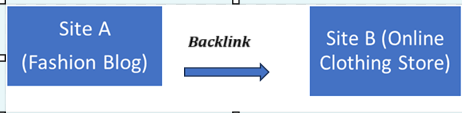
For example, if you run an online clothing store (Site B) and a popular fashion blog (Site A) links to one of your pages, that link becomes the backlink for your website. It not only brings more prospects to your store but also tells search engines that your website is credible and reputable.

Here, if website A links -> website B, it means website B has earned a backlink from Website A.

Backlinks help search engines understand that your website is useful or trustworthy. If trusted websites like Forbes.com are linking to your site, it means your content has value. That’s why Google treat them as a trust signal.

What Makes a Backlink Valuable?

A high-quality backlink will boost your ranking more than many low-quality backlinks. According to John Muller, the quantity of backlinks does not matter, but the quality of backlinks makes all the difference. He said this on Google SEO Office Hours.

Simply put, not all backlinks are equal; some can boost your website’s SEO while others may actually harm your rankings or reputation.

The following criteria define a high-quality backlink.

  • Relevance of linking page – Your website should get backlinks from sites that are related to your topic or industry. If you run a lifestyle blog, a link from the credible clothing brand website is more useful than one from any random tech directory.
  • Domain authority – A backlink from a website with strong authority, like Forbes.com or HubSpot.com, is more beneficial than a low-traffic website.
  • Anchor text quality – Anchor text is the text that users click to visit the link. Backlinks with a relevant keyword or a clear description about the linked page’s topic help Google understand the context and relevancy of the link better.
  • Placement in content – Where the backlink appears also matters. If the link is present in the middle of the blog post is more valuable than the one that is placed in a sidebar or footer. Context is also important. The backlink should be embedded naturally within the main content of the blog post. If it is placed in the sidebar, footer, or author bio, it is not that valuable. If the link is paid or placed out of context, it can harm your website’s rank.
  • Link Diversity – Your backlink profile should include links from different websites and platforms instead of relying solely on a few dominant sources. It signals search engines that your website is relevant, trustworthy, and popular.

Bonus Read: 5 Best Link Building Marketplaces in 2026 | Safe & Trusted

Types of Backlinks by HTML Attributes

If you want to grow your website, it is important to understand the different types of backlinks. Some types of backlinks pass authority while others are just for reference. Knowing types of backlinks helps you understand how Google sees your content and helps you build a stronger backlink profile. Before understanding its types, let us first understand what rel attributes are.

What are rel attributes?

The rel attribute, when applied to the <a> element it provides information to the search engine regarding the nature of the link, how they interpreted and passes ranking signals. Google also use these attributes for crawling and indexing purposes.

Here are four main types of backlinks.

1. Dofollow backlinks

They are the most valuable for SEO. These types of links pass authority (link juice) from the linking page to yours. If your website has more quality backlinks, your content will rank higher. All links are by default dofollow.

For example,

<a href = https://jeenaminfotech.com/> Trusted Link-Building Agency </a>

2. Nofollow backlinks

Nofollow backlinks tell search engines not to pass any authority to the linked page. Such links do not directly boost ranking, but they can still drive traffic and help you build brand visibility. These are useful when you don’t want to endorse any untrusted sites or affiliate links.

For example,

<a href = https://jeenaminfotech.com/ rel=”nofollow”> Read this </a>

3. Sponsored backlinks

Sponsored backlinks are also known as paid links. It indicates that the person inserting sponsored backlinks may get paid for doing it. Google considered them spammy. If you don’t tag sponsored links properly, it can be the reason for Google penalties or a drop in ranking.

For example,

<a href = https://jeenaminfotech.com/ rel=”sponsered”> Visit our website </a>

4. UGC backlinks

UGC backlinks usually come from user-generated content like forums, blog comments, or community discussions. It should be tagged properly to inform the search engine that the content was not published by the website owner.

<a href = https://jeenaminfotech.com/ rel=”ugc”> Read my blog </a>

 UGC links don’t pass much authority, but they can be useful for driving referral traffic or brand discovery when used naturally. 

Types of Backlinks (Based on How They’re Built and Where They Come From)

Not all backlinks are useful. Some can boost traffic significantly, while others can harm your website, and others do nothing. Here we have grouped them into three different categories – the good, the neutral, and the bad.

A. Safe Backlinks (White-Hat)

Backlinks that follow Google’s guidelines and are genuinely earned are safe backlinks. They help you boost your website’s authority over time and positively impact your SEO performance.

1. Guest Posts on Relevant Blogs

Guest post backlinks, you generally get by writing blogs or articles for other websites in your industry. You can provide valuable content to their audience, and in return, you get one or two links back to your own site. It helps you reach a new audience and build authority in your niche. 

For instance, if you are a digital marketing agency and create a blog post on digital marketing, linking it to your landing page, it’s considered a guest post link. Usually, guest post backlinks appear in the author bio or naturally within the post. To maximize your benefits, always choose websites with good authority and real traffic. Your guest post content should be clear, concise, useful, and not overly promotional.

2. Editorial Links from Content

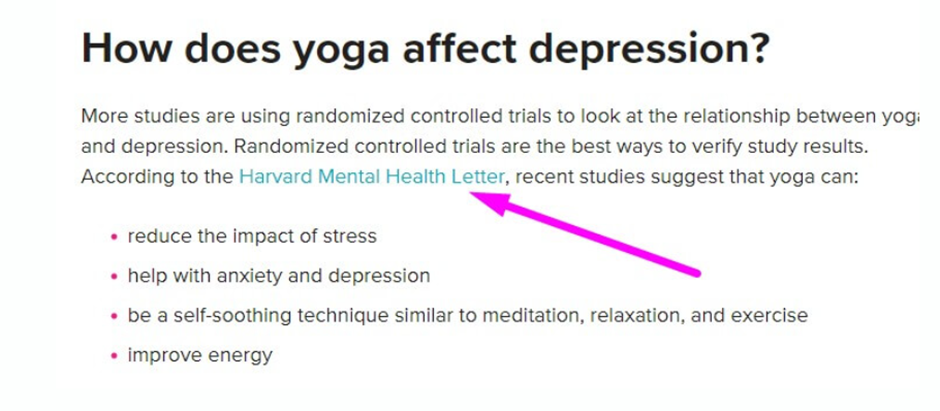
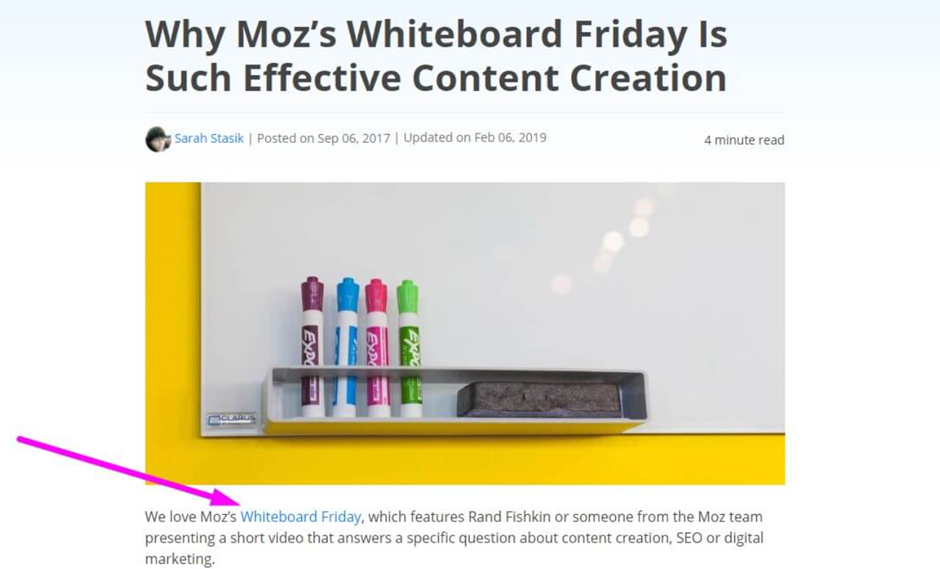
Whenever other websites find your content useful and valuable, they naturally add links to your website. You don’t ask them to do it, but they do it because your content genuinely offers something valuable, which is worth referencing. These are the best backlinks that you can get.

Usually, editorial backlinks come from blogs, news sites, or other industry resources. If you publish original research or unique insights that others want to cite, you can increase your chance of earning editorial links.

Image Source: Link

3. Contextual Links Within Body Copy

Contextual links are placed into existing content on another website. In this, you don’t write new content, but you reach out and request that they add your link to their webpage. It is also known as link insertions.

For example, if there is a good blog post on link building and your tool fits into that topic, you can ask the author to add your link. It will help you quickly get relevant links from the aged content.

Image Source: Link

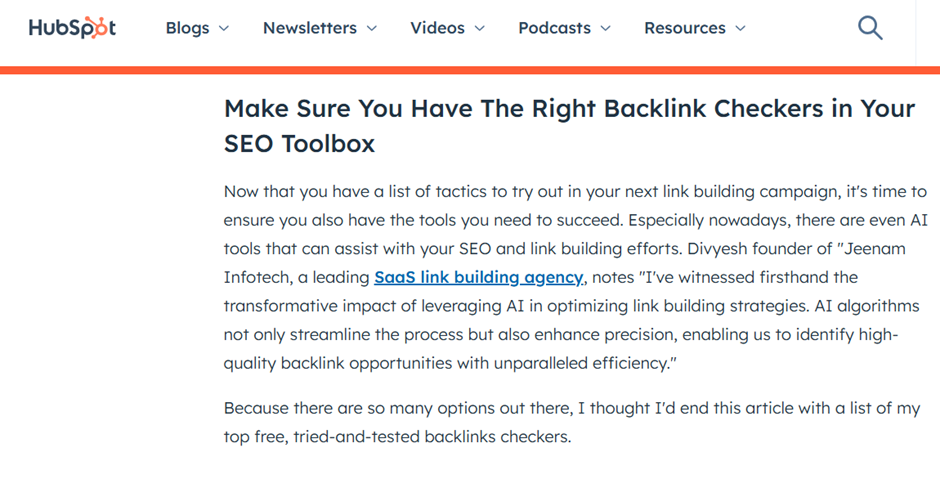
Here, HubSpot has linked Jeenam Infotech contextually, which can drive massive traffic for them.

4. HARO and Expert Interviews

The full form of HARO is Help a Reporter Out. It is the platform where journalists ask for expert input. If you have in-depth expertise on that topic and your answer gets published there, it usually gives you a backlink. These links come from high-authority websites or blogs.

For example, a digital marketing journalist might ask for marketing tips. If you give them a solid answer and they use it, your name and website link might be included. Such link efforts take time, but they bring serious SEO value. You don’t need to be an expert to start; all you need to offer is value and be consistent in that.

5. Webinar Links

Do you often host or speak in a webinar? If yes, it’s a great opportunity for you to earn a backlink. These webinars are usually promoted on other websites, and they include a backlink to your site. These webinar links bring you in front of the right audience. As webinar links are based on expertise and engagement, if you want to make the most out of it, collaborate with well-known names in your field and share the event on social media platforms or community pages.  

Image Source: Link

6. Podcast Links

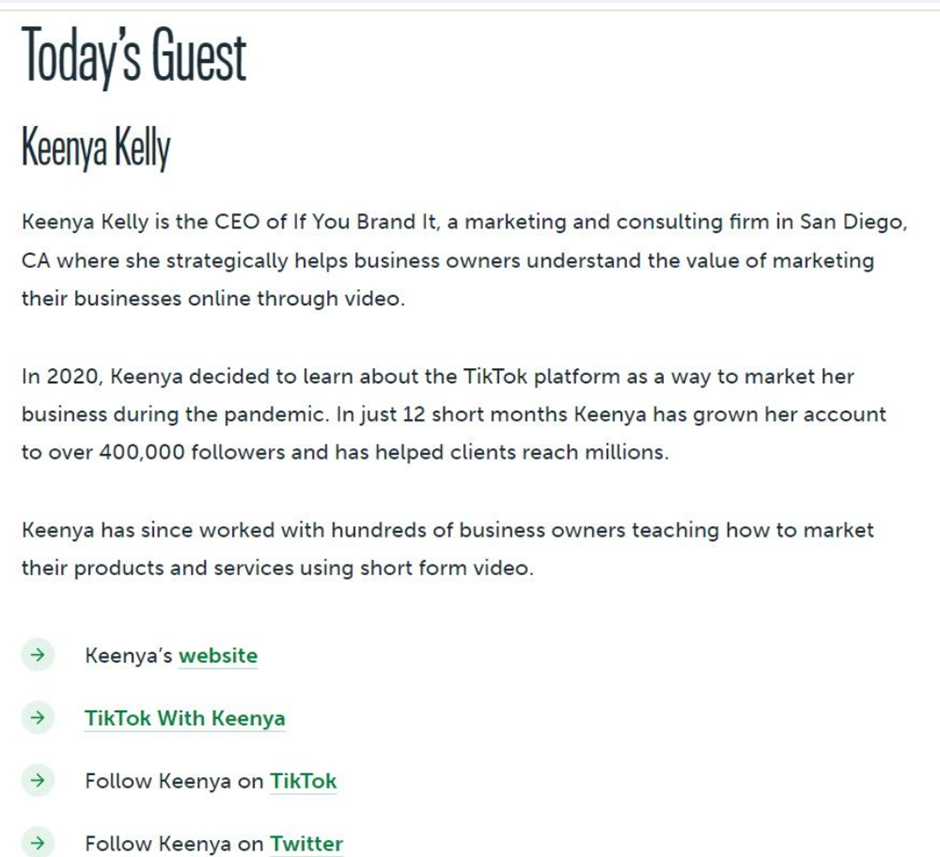
If you become a guest on the podcast, you can earn a backlink in the guest profile or show notes. These backlinks are valuable and tied to your personal or brand authority.

If that podcast ranks well and has loyal listeners, backlinks can be very beneficial. Therefore, to get featured, you can pitch yourself with a strong, relevant topic or story. Be helpful as it will help you build backlinks and audience trust.

Image Source: Link

7. Resource Pages

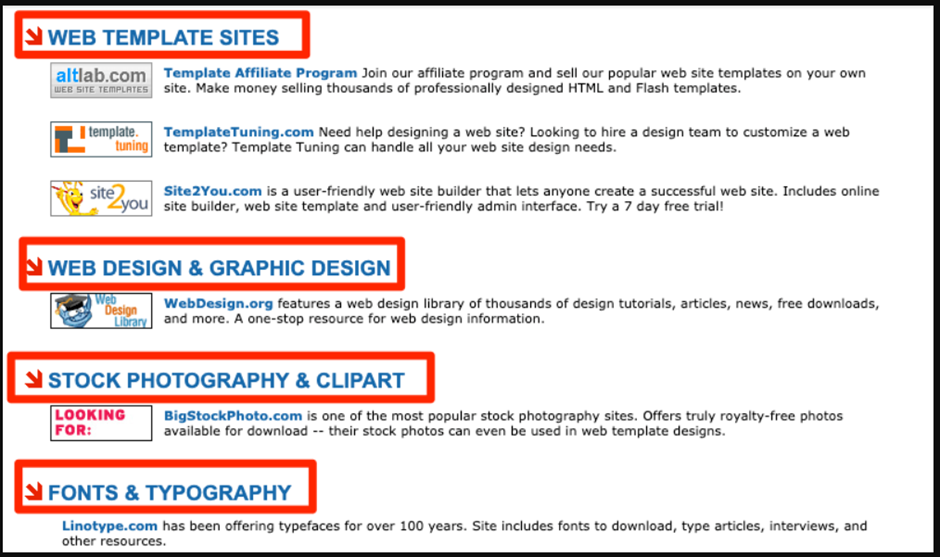
Some websites list useful resources on specific topics on their website. If your content is strong, like a tool, checklist, or guide, you can request that they add yours to their website. These kinds of backlinks are powerful when placed on the well-established blogs, .edu sites, etc.

All you need to focus on here is to offer value. If your content is unique, you can contact the site owner and explain why your link should be added here. The request should be respectable tone and in simple form.

Image Source: Link

B. Neutral or Risky Backlinks (Grey-Hat)

Grey-Hat backlinks are those types that do not carry much SEO value or harmful. Google usually ignore them. If grey-hat backlinks are used properly, they can bring real traffic, brand exposure, and link diversity. Here are some most common types of grey-hat links.

1. Directory Submissions

Directory backlinks usually come from online directories such as Google, Yelp, Tripadvisor, etc.

For example, Tripadvisor listing this Italian restaurant II Ristoro includes a backlink to its website. 

This type of link does not boost your SEO like editorial backlinks do. However, they can provide you with valuable referral traffic by improving local SEO results. You need to avoid outdated and spammy directories and choose the known, used by your target audience, and drive your real traffic.

2. Press Releases

Whenever you publish a press release and distribute it via newswire platforms, you may get backlinks from media sites. These links are nofollow and don’t boost your SEO efforts much. However, press releases can bring brand awareness and bring you referral traffic.

You must use it whenever you have something real and valuable to share. Choose high-quality PR sites or pitch your story to a known journalist in your industry.

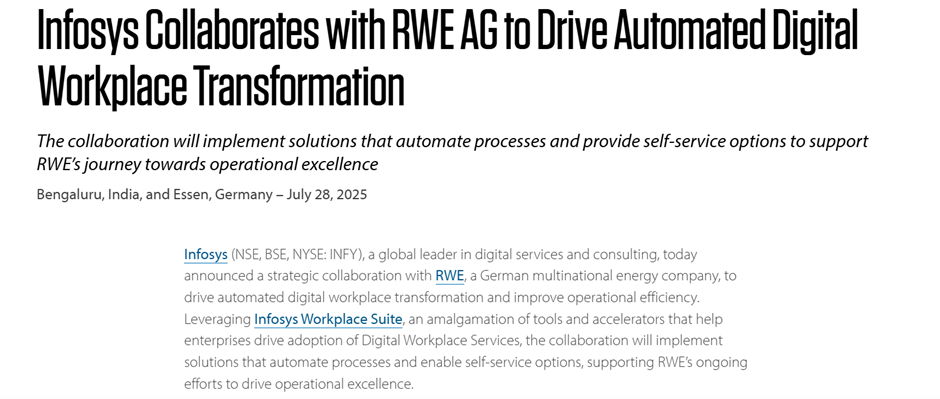
For example, here Infosys has mentioned that they collaborate with RWE, which is a German multinational energy company, by linking their website.  

3. Comment Backlinks

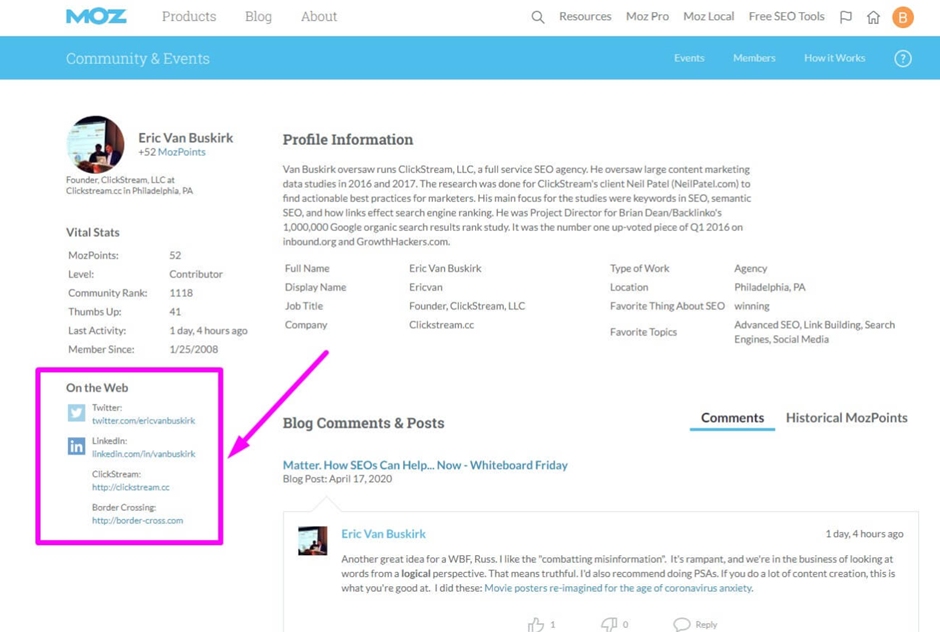
Whenever you leave a reply on the blog post, forum, or social media and include your website URL, it is a comment backlink. This backlink is nofollow by default, so it does not directly boost your SEO efforts. However, they can drive referral traffic. Only include links in comments if you provide helpful information that users are likely to appreciate. Avoid generic comments like great post.

When you comment on high-quality blogs or niche-relevant sites, it helps you stay visible in the community. 

Image Source: Link

Bonus Read: Best Link Building Services: How to Find Trusted Providers for Your Business

4. Business Profile Links

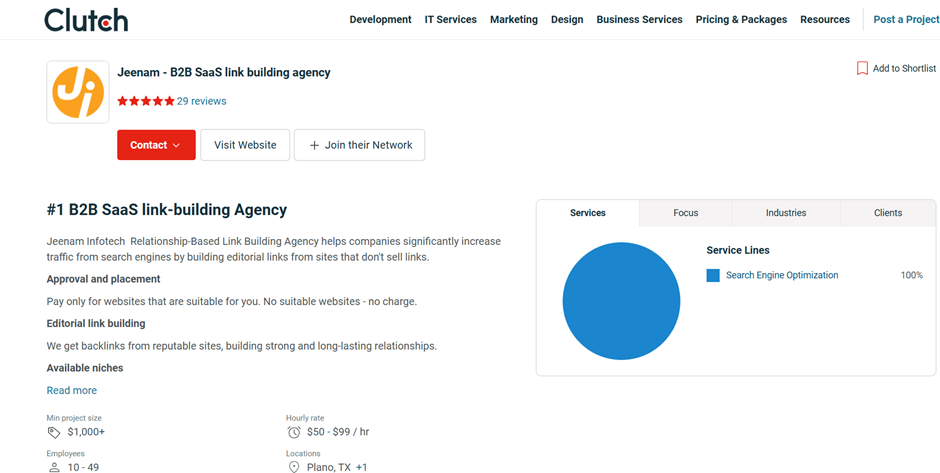
Whenever you create a profile on platforms like Google Business, Yelp, Clutch, or industry directories, you get a link to your website. It is called the business profile link. They are useful in improving local SEO efforts. These links are nofollow, but still add credibility. Ensure you have uploaded consistent details on all platforms because inconsistent details can confuse Google. 

Image Source: Link

5. Social Media Links

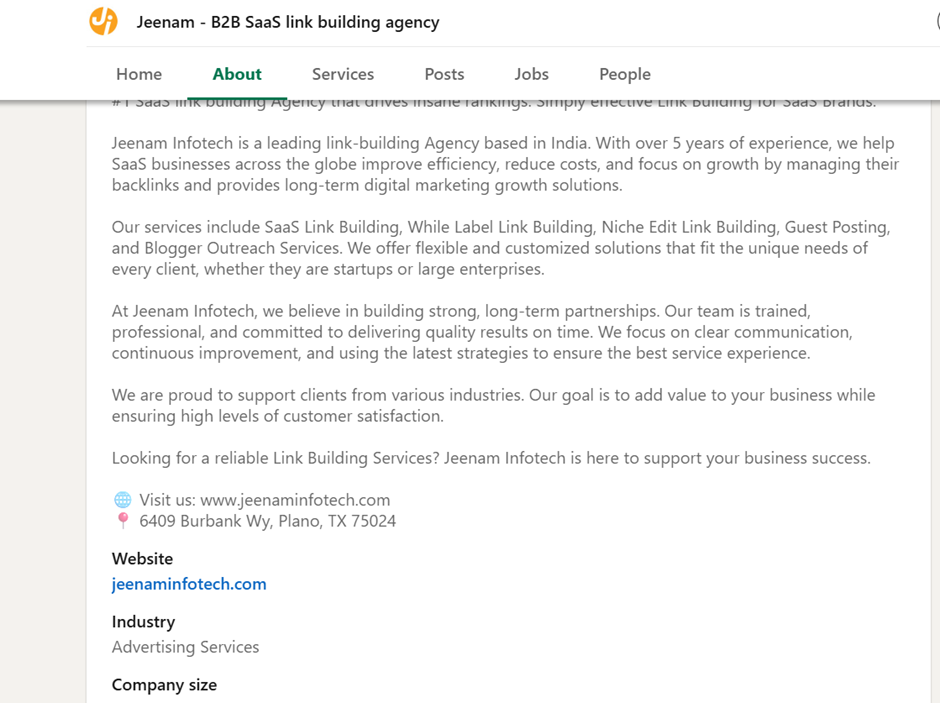
These are links from your social media profile pages, like LinkedIn, Twitter, Instagram, or YouTube or author bios. These are nofollows but help in improving branding and trust, and drive traffic.

Quick Comparison: Low Risk Vs High Risk Grey-Hat Links

Backlink Type Low Risk/Safe High Risk
Directory Submission Safe to use when submitting to trusted, niche-relevant, high-traffic directories like Yelp When you submit to outdated, low-quality, or irrelevant directories.
Press Releases When it is issued for actual news/events, and published on the authoritative PR platforms. Overuse of PR syndication for SEO with no real news value
Comment Backlinks Thoughtful and helpful comments on niche-relevant blogs or forums Generic or mass comments such as “Nice Post” with links to unrelated sites
Business Profile Links Creating a genuine business profile with accurate and consistent information across platforms Creating fake or duplicate solely to drop links
Social Media Links When linking from official brand accounts like bios, posts, and about sections Creating multiple fake profiles or spamming links in comments

C.    Harmful Backlinks (Black-Hat)

Some backlinks can damage your SEO. These links come from shortcuts or shady tactics that violate Google’s rules and are harmful backlinks. These backlinks aim to manipulate search rankings. So, it can hurt performance. Black-Hat backlinks can give you a temporary boost, but usually lead to penalties and, in some cases, even deindexing. You should avoid such types of backlinks if you want to improve your rankings. Here are a few examples of harmful backlinks.

1. Paid dofollow links

Buying backlinks seems tempting as it gives you a quick win. However, if the website is spammy, without real traffic, or exists only to sell links, Google can easily spot it. Such links can give you penalties, or your website ranking can drop. So, instead of paid links, invest in real content or PR.

2. Private Blog Networks and Link Farms

These are a network of websites, but they have only one purpose: to sell backlinks. They don’t have any real content, traffic, author, or purpose. Google can easily find it out. So, if your website is connected to a link farm or PBN, it can give you a manual penalty or even deindex your webpage completely. So, you should always avoid shortcuts like these.

3. Spammy Automated Tools

Some automated tools claim they can build backlinks automatically through blog posts or spinning content. Such tools create low-quality and unreadable articles with links stuffed inside. Google consider it as spam, so it won’t bring traffic and doesn’t build authority. Besides, it can damage reputation. Therefore, you should avoid any such tool or service that promises hundreds of links for cheap.

4. Forum Spam and Blog Spam

Forum spam and blog spam mean posting irrelevant or overly promotional content to increase the search traffic of the website. It is usually done by inserting links or text into comment sections, forums, or other UGC content areas on the website. As in you try to manipulate search engines, it can harm your website’s SEO performance. Therefore, only add backlinks in forums or comments, and include those that provide real value.

Link Building Strategies to Earn Quality Links

If you want to earn quality links, here are a few link-building strategies that you need to follow.

  1.     You should create useful linkable assets like guides, infographics, tools, and research.

You must focus on producing original, high-quality content that helps you get dofollow links from editorial publications.

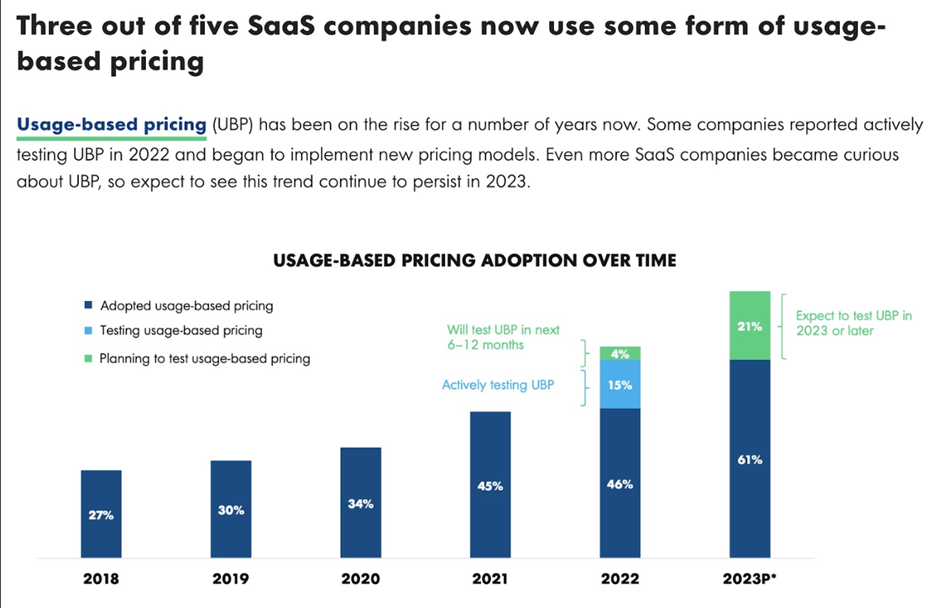
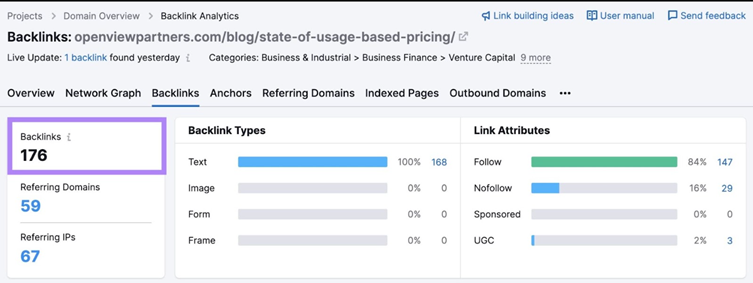
For example, you can take the example of OpenView Venture Partners. They have done a study on pricing, and as per Semrush, this study has earned 170+ backlinks since its publication, and 147 of them are dofollow. 

Image Source: Link

Image Source: Link

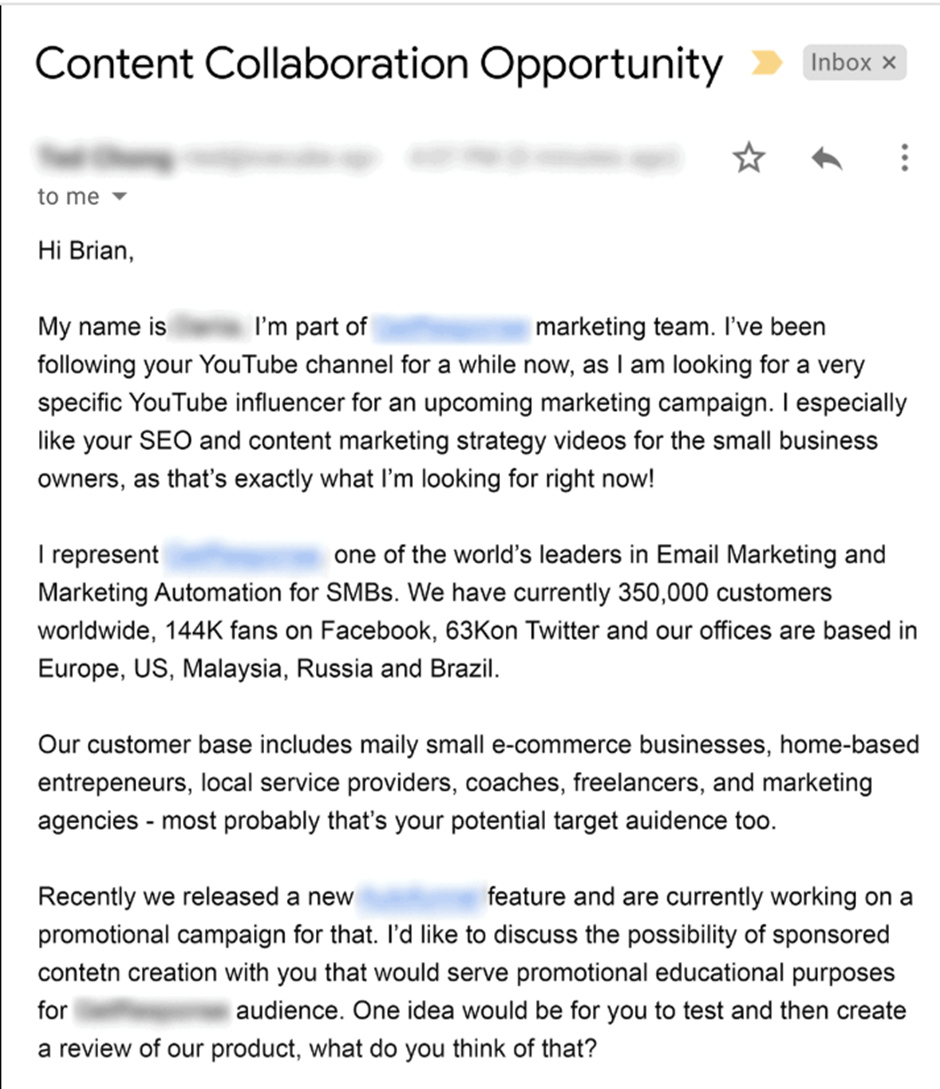
  1.     You can employ outreach strategies such as email, PR, and influencer collabs.

Email outreach, PR, and influencer collabs can help you earn quality backlinks. It will drive real traffic to your website and boost your SEO rankings. 

Image Source: Link

  1.     Build a relationship with industry blogs.

Try to know others in your industry who run authoritative websites. Engage on LinkedIn with them and give genuine, valuable comments on their blogs. It gives you an opportunity to earn a natural link opportunity. You can use link-building tools like Semrush or linksman.io to find high-authority websites in your niche and build relationships.

  1.     Repurpose content for backlinks.

From one long-form blog post, you can create infographics, reels, videos, convert them into a podcast, tutorial, and much more. Repurposing content can help you earn quality backlinks as it allows you to cater to the diverse content preferences of audiences.

 For example,

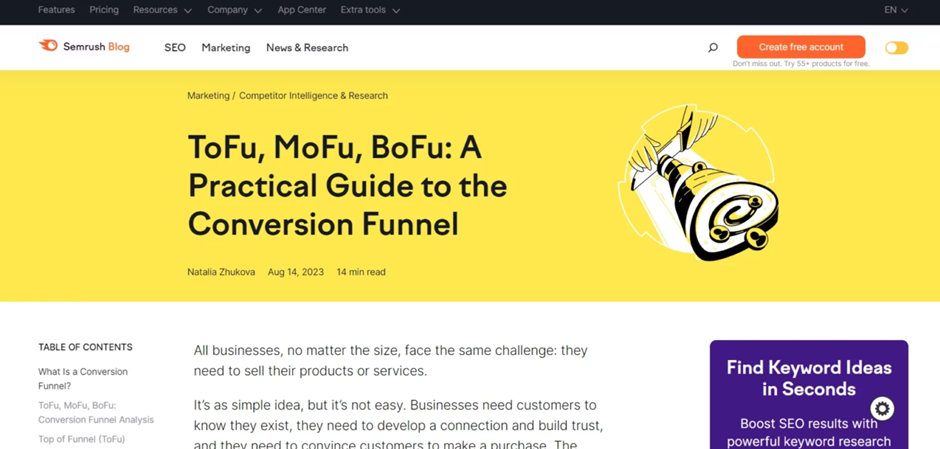
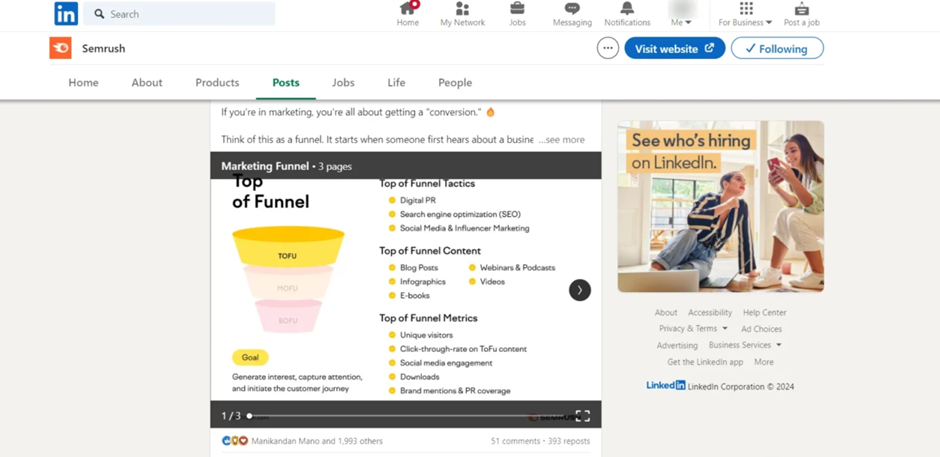
SEMrush is a master at effectively doing content repurposing. They published a high-quality blog post on the conversion funnel – ToFu, MoFu, and BoFu

Image Source: Link

 Later, they repurpose it by creating a LinkedIn carousel post which includes all the key points from the blog.

Image Source: Link

How to Audit and Maintain a Healthy Backlink Profile

Once you’ve started building backlinks, start auditing and maintaining them. So, they help your website rank, find you new growth opportunities, and here is how to do it right.

  • You can use tools like Google Search Console, Ahrefs, SEMrush, etc., to check how many backlinks you currently have and which pages they point to.
  • Regularly monitor new and lost backlinks. If you lose any good backlinks, reach out to them and try to get them back.
  • If you find any toxic backlinks which can harm your website, use tools like SEMrush or Moz, identify them and disavow them if required.
  • Focus on which one is bringing traffic, guest posts, blogs, resource pages, etc, and double down your strategies on those.
  • Ensure your links are using natural and relevant anchor text and are placed in useful content. It affects how much SEO value they pass.
  • Focus on quality instead of quantity. Don’t try to build 200 links in 15 days and then stop. Google usually prefer steady and organic growth. So, keep publishing and tracking your progress month by month.

Epilogue – Types of Backlinks

Backlinks are valuable even after the recent Google algorithm updates. However, building the backlink that actually works takes time, effort, and a strategic and ethical approach. Hopefully, by reading this blog, you understood what is the difference between safe, risky, and harmful backlinks and which one you should choose. However, before we sign off, here are a few things that you should keep in mind while building your backlink strategy.

  •   Focus on quality instead of quantity.
  •   Always obtain links from reputable and relevant websites.
  •   Never chase automated or spammy backlinks.
  •   Avoid shortcuts, as they can harm your website’s credibility.
  •   If you notice any toxic link, clean it up immediately.
  •   Optimize your link-building strategy for long-term SEO success.
  •   To strengthen your backlink profile, regularly audit it. 

Do you need help auditing your backlink profile? Get in touch with us today!

FAQs

1. What are toxic backlinks?

Toxic backlinks are those that come from low-quality or spammy sites. If it is one or two, Google may ignore it, but if your website has too many toxic backlinks, it can harm your rankings and even trigger manual penalties. You must use tools to identify and disavow them if required.

2. Are nofollow backlinks valuable for SEO?

Yes, nofollow backlinks are valuable for SEO. They don’t directly boost search engine rankings like dofollow links. However, they can drive referral traffic, increase brand awareness, and help you build a more natural and diverse link profile.

3. How often should I check my backlink profile?

You should check your backlink profile at least once a month to ensure it is not harming your SEO efforts. The ideal frequency depends on the website’s size, industry, and link-building activity.

Small websites and blogs Every 1-2 months
Medium-sized businesses Every 2 to 4 weeks
Large websites and eCommerce websites Every week or bi-weekly
New websites Every three months
Established sites – low-competition niche Every 6 to 12 months
High competition industries Every 2 to 4 months

4. Are all paid links considered harmful?

Not all paid links are harmful, but many of them are. Buying or selling links to manipulate search ranking is against Google’s guidelines.

5. How do I disavow backlinks in Google Search Console?

If you want to disavow backlinks in Google Search Console, follow these steps.

  • Create a text file.
  • List the URLs or domains you want to disavow.
  • List URL in this format – domain:example.com

Upload this text file through the disavow links tool in Google Search Console for the specific property. Google will ignore these backlinks to your site.