SEO Affiliate Marketing in 2026: Roadmap for Beginners

SEO Affiliate Marketing in 2026: Roadmap for Beginners

SEO affiliate marketing is a business model where you earn commissions by promoting other people’s products or services on your website. You create helpful E-E-A-T content that ranks on search engines like Google and attracts people looking for information or products. When visitors click your affiliate links and make a purchase, you earn a commission.

Success in affiliate marketing depends on attracting targeted organic traffic with high purchase intent and turning those visitors into paying customers. However, online search is changing. People now use Google AI Overviews and AI-powered search platforms to get answers without always clicking through to websites. 

That’s why you need a modern SEO affiliate marketing strategy that helps you gain visibility in both traditional search results and AI search experiences.

In this guide, you will learn:

  • What SEO affiliate marketing is and how it works
  • Whether affiliate marketing is still worth starting in the age of AI search
  • The complete SEO affiliate marketing roadmap 

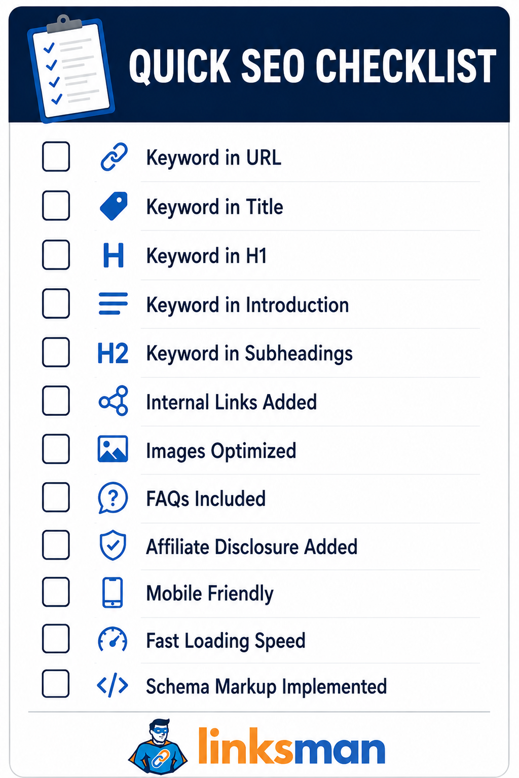
SEO affiliate marketing checklist for beginners
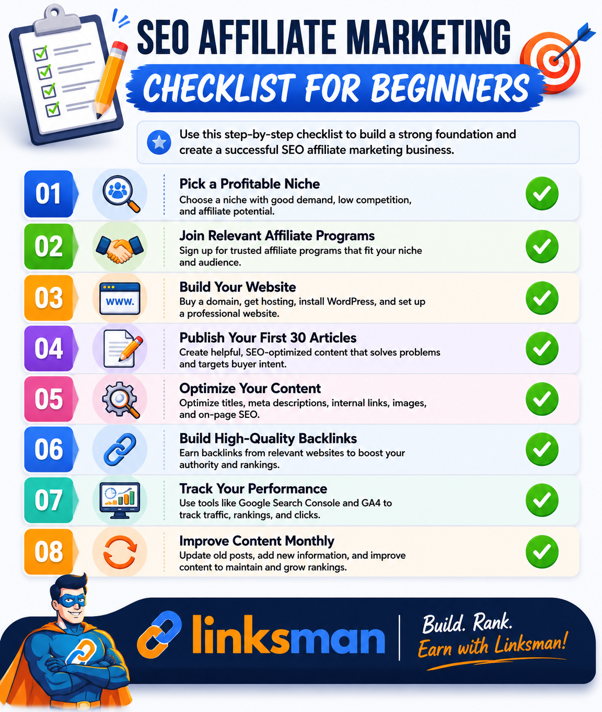
SEO affiliate marketing checklist for beginners

SEO affiliate marketing – Key highlights

  • Affiliate marketing is a massive opportunity. According to Influencer Marketing Hub, more than 80% of brands worldwide now run affiliate programs to promote their products and services.
  • SEO is the most popular traffic source for affiliate marketers. Data from AffiliateWP shows that nearly 69% of affiliate marketers use SEO to drive organic traffic.
  • Earnings depend on experience. Beginners with less than one year of experience typically earn under $1,000 per month, while affiliate marketers with 10+ years of experience earn an average of over $44,000 per month. (Authority Hacker)

What is SEO affiliate marketing?

SEO affiliate marketing is the process of turning Google searches into affiliate commissions. It involves creating content that ranks for product-related searches so people can discover your website while researching a purchase. By connecting potential buyers with relevant products, you earn commissions from qualifying affiliate sales.

It combines two powerful strategies: 

  • Affiliate Marketing – Promoting products or services and earning a commission when someone makes a purchase through your affiliate link.
  • SEO (Search Engine Optimization) – Optimizing your website and content to appear higher in search engine results and attract organic traffic.
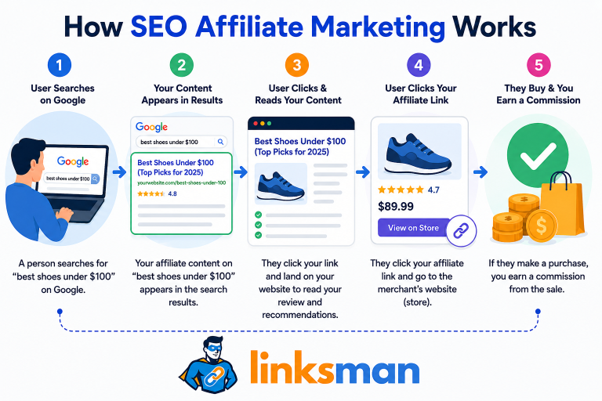
What is SEO affiliate marketing?

Why SEO is the best traffic source for affiliate marketing?

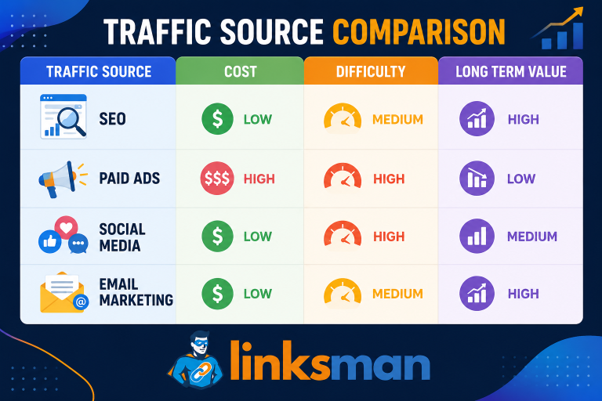
Affiliate marketers can generate traffic from several sources, including paid ads and social media as well as email marketing and search engines. While each channel has its advantages, SEO remains one of the most beginner friendly and sustainable options.

  • High buying intent. Someone searching for best project management software for small businesses” is much closer to making a purchase than someone casually browsing social media.
  • Long term traffic. A social media post may stop generating traffic within days, and paid ads stop working as soon as you stop spending money. In contrast, a well optimized article can continue attracting visitors and affiliate commissions for months or even years.
  • Scalable growth. Every new high quality article is another opportunity to rank and generate affiliate commissions. As your content library grows, your earning potential grows with it.
Traffic Source Cost Difficulty Long Term Value
SEO Low Medium High
Paid Ads High High Low
Social Media Low High Medium
Email Marketing Low Medium High

Why SEO is the best traffic source for affiliate marketing?

For beginners with limited budgets, SEO offers the best balance of affordability + scalability + long term growth.

Bonus Read: SEO Reseller Programs: Complete Guide for Agencies in 2026

Is affiliate marketing still worth starting in the age of AI search?

Yes. However, the way affiliate marketers attract traffic is changing.

Affiliate marketing depends on traffic and clicks. For years, Google Search was the primary source of affiliate traffic:

Google Search → Your Content → Affiliate Link → Commission

Today, many searches look different:

Google Search → AI Overview → Answer

Google AI Overviews and ChatGPT as well as Perplexity and other AI-powered search platforms can answer many questions directly without requiring users to visit a website. According to Ahrefs, the presence of AI Overviews can significantly reduce clicks to organic search results. Their research found that top-ranking pages may experience click-through rate (CTR) declines of 38% to 58%, with some industries seeing drops as high as 61% to 80%.

Does this mean affiliate marketing is dying?

Not at all.

A recent discussion on Reddit asked a simple question: “Is affiliate marketing still worth starting in 2026?” 

Does this mean affiliate marketing is dying?

The responses from marketers and creators were surprisingly consistent. Most agreed that affiliate marketing is still a profitable opportunity, but the old approach of publishing generic content and expecting easy rankings no longer works.

affiliate marketing is dying?

One comment summed it up perfectly:

“Affiliate marketing in 2026 is not dead. Low-effort affiliate marketing is.”

Affiliate marketing in 2026 is not dead

Look at this comment on the Reddit discussion. People are even making decent money with affiliate marketing. 

Reddit discussion

AI is reducing traffic to generic informational content because it can answer simple questions instantly. However, AI still struggles to replace content that includes:

  • Real product reviews based on firsthand experience
  • Product comparisons and alternatives
  • Original research and data studies
  • Case studies and personal results
  • Content that helps users make buying decisions

The key is to create content that offers something AI cannot easily replicate. Successful affiliate marketers are not just optimizing for Google rankings. They are creating citation worthy content that earns visibility in both traditional search results and AI search experiences.

How to start SEO affiliate marketing

Now that you understand the fundamentals, let’s walk through the complete SEO affiliate marketing roadmap that takes you from choosing a niche to earning your first commissions.
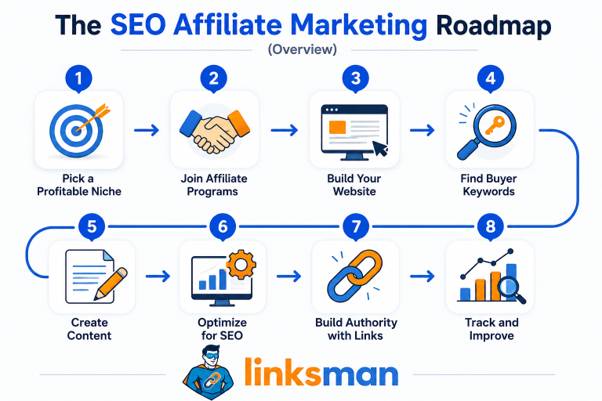
How to start SEO affiliate marketing

Step 1. Choose a niche you can actually win in

The biggest mistake beginners make is chasing the highest paying niche instead of choosing a niche they can realistically compete in.

Many people jump into highly competitive markets such as credit cards and gambling because they offer attractive commissions. However, these industries are dominated by established brands with massive budgets and years of authority. And this makes them difficult for new websites to rank in.

Before choosing a niche, it helps to understand which industries generate the highest affiliate income. According to a data from AuthorityHacker, the following are among the most profitable affiliate marketing verticals:


Vertical Average Monthly Income
Education and E-learning $15551
Travel $13847
Beauty and Skincare $12476
Gaming and Esports $12475
Finance $9297
Technology $7428
Digital Marketing $7218
Health and Fitness $7194
E-commerce $5967
Home and Garden $5095

However, don’t choose a niche simply because it pays well. The best niche is one that is profitable for you.

The sweet spot framework

A good affiliate niche should have:

  • High buyer intent
  • Multiple affiliate programs
  • Consistent search demand
  • Low to medium competition
  • Long term growth potential

Here are some good examples for beginners

  • Home office setup
  • Coffee gear
  • Camping equipment
  • WordPress tools
  • AI software
  • Pet products

How to choose the right niche

Ask yourself these questions:

  • Am I genuinely interested in this topic?
  • Can I create content on this niche for the next few years?
  • Are there enough products and affiliate programs to monetize?
  • Do people actively search for these products online?
  • Can I provide insights that competitors and AI cannot easily replicate?

Step 2. Find affiliate programs worth promoting

Once you have chosen your niche, the next step is to join affiliate programs that match with your audience. An affiliate program allows you to earn a commission whenever someone purchases a product or service through your unique referral link.

Best affiliate programs for beginners

Platform/Program Best For Commission Model
Amazon Associates Physical products Percentage of sale
Impact Global brands Varies by advertiser
ShareASale E-commerce and lifestyle Depends on merchant
CJ Affiliate Enterprise brands Based on advertiser
PartnerStack SaaS and B2B software Varies by partner
Semrush SEO and Marketing tools High fixed commission
HubSpot CRM and Marketing software High value commission
Canva Design software Recurring/partner commission
Bluehost Web hosting Fixed commission per sale

Note – Many SaaS companies also run their own direct affiliate programs.

How to evaluate an affiliate program

Before joining a program, check the following factors:

  • Commission rate – How much do you earn per sale or lead?
  • Cookie duration – How long does your referral remain valid after someone clicks your link?
  • Product quality – Only promote products you would confidently recommend.
  • Conversion rate – A product with a lower commission but a higher conversion rate may earn more overall.
  • Brand reputation – Established brands often convert better and build trust with your audience.

Step 3. Build your affiliate website

Now it is time to build your website. Don’t overthink this step. Your goal is to create a clean and fast website that you can grow over time.

Here is the minimum setup beginners will need:

  • Domain name – A memorable and relevant website name.
  • Web hosting – A reliable hosting provider to keep your site online.
  • WordPress – The most popular content management system for affiliate websites.
  • A lightweight theme – Choose a simple and mobile-friendly theme that loads quickly.

Many beginners spend weeks comparing themes and plugins instead of publishing content. Keep your setup simple and start creating quickly. 

Step 4. Find buyer-intent keywords that generate sales

One of the biggest mistakes beginners make is assuming that more traffic means more money. It doesn’t.

A website with 1,000 visitors who are ready to buy will often earn more than a website with 100,000 visitors who are simply looking for information.

That’s why successful affiliate marketers focus on buyer intent keywords rather than just high volume keywords.

The 4 types of affiliate keywords
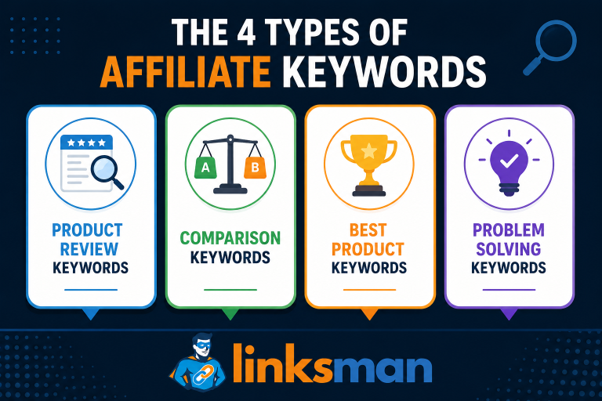
The 4 types of affiliate keywords

Keyword Type What It Means Examples Best For
Product Review Keywords Users are researching a specific product before making a purchase. Semrush review

Surfer SEO review

Hostinger review

High conversions
Comparison Keywords Users are comparing two or more products to decide which one to buy. Ahrefs vs Semrush

Rank Math vs Yoast

Jasper vs Claude

Highest conversions
Best Product Keywords Users are looking for recommendations within a product category. Best email marketing software

Best CRM for small businesses

Best AI writing tools

High traffic and strong purchase intent
Problem Solving Keywords Users are searching for a solution to a problem that your recommended product can solve. How to improve email deliverability

How to speed up a WordPress website

How to generate more leads

Build trust and introduce affiliate products

Tip – Don’t chase the highest search volume. Chase the highest buying intent.

For example, the keyword “What is email marketing?” may receive thousands of searches, but many users are simply learning the concept.

On the other hand, someone searching for “Best email marketing software for small businesses” is much closer to making a purchase, making it a far more valuable keyword for affiliate marketing.

How to find buyer-intent keywords

Finding profitable affiliate keywords is easier than most beginners think. Start by putting yourself in the shoes of someone who is about to make a purchase.

Look for search phrases that include words such as:

Keyword Pattern Example
Review Ahrefs review
Best Best AI software
Vs Ahrefs vs Semrush
Alternative Canva alternatives
For Best CRM for small businesses
Pros and Cons Hostinger pros and cons
Pricing Semrush pricing
Discount/Coupon Bluehost coupon
Top Top AI writing tools
Near Me  Running shoe stores near me

You can discover these keywords using tools such as:

  • Google Autocomplete
  • Google “People Also Ask” 
  • Google Related Searches
  • Google Search Console
  • Ahrefs
  • Semrush
  • Keyword Planner

Step 5. Create E-E-A-T content that matches buyer intent

Finding the right keywords is only half the job. Your content must match what the searcher is actually looking for. The closer your content aligns with buyer intent, the more likely visitors are to trust your recommendations and make a purchase.

Best affiliate content types

Content Type Example
Product Reviews Ninja Creami Review
Comparison Posts Dyson Airwrap vs Shark FlexStyle
Best-X Lists Best Hiking Backpacks for Beginners
Tutorials How to Build a Home Office on a Budget
Case Studies How I Saved $500 a Year Using Smart Home Devices
Alternative Posts Grammarly Alternatives

A beginner content plan (Your first 30 articles)

Instead of publishing random topics, follow a structured content plan that balances commercial and informational content.

Content Type Number of Articles
Product Reviews 5
Comparison Posts 5
Problem-Solving Guides 10
Supporting Informational Articles 10

How to write E-E-A-T content that google trusts

Google recommends creating content that demonstrates E-E-A-T, which stands for Experience, Expertise, Authoritativeness, and Trustworthiness. These are important quality signals that help search engines and AI-powered search platforms identify reliable content.

  • Experience – Share firsthand product testing and personal use cases whenever possible
  • Expertise – Provide accurate and well-researched information that genuinely helps the reader
  • Authoritativeness – Build credibility by consistently publishing high quality content within your niche
  • Trustworthiness – Give honest recommendations and disclose affiliate relationships

Instead of rewriting information that already exists online, add unique value by including:

  • Original photos or screenshots
  • Product testing and comparisons
  • Personal insights and case studies
  • Original research or data
  • Honest pros and cons

How to create content that ranks in AI search

  • Answer the user’s question clearly and completely
  • Share firsthand experience or unique insights
  • Use comparison tables and bullet points to improve readability
  • Support your claims with credible data and sources where appropriate

Step 6. Optimize every article for SEO (Technical and on-page SEO)

Creating great content is only part of the job. You also need to optimize every article so that search engines can understand and rank it.

On-page SEO checklist

Before publishing an article, make sure your target keyword appears in:

  • URL
  • SEO Title
  • H1 Heading
  • Introduction
  • At least one H2 or H3 subheading
  • Image alt text (where relevant)
  • Meta description (naturally)

At the same time, avoid keyword stuffing. Write naturally for people first and search engines second.

Technical SEO checklist

Every affiliate website should also have:

  • Fast loading speed
  • Mobile friendly design
  • Secure HTTPS website
  • Clean and user-friendly URLs
  • Optimized images
  • Review or Product Schema markup
  • Proper indexing in Google Search Console

These technical improvements help search engines crawl your website and improve the overall user experience.

Don’t forget internal linking

Internal links help search engines understand your website structure while guiding visitors to related content.

For example:

  • A tutorial can link to a product review.
  • A product review can link to a comparison article.
  • A comparison article can link to a “Best X” list.

This creates topical authority and increases the chances of users exploring more pages before making a purchase.

Optimize for better user experience and conversions

Every affiliate article should include:

  • High quality images or screenshots
  • Comparison tables where appropriate
  • Frequently Asked Questions (FAQs)
  • Clear calls to action
  • Affiliate disclosure
  • Honest pros and cons

Technical SEO checklist

Step 7. Build authority and backlinks

You also need to invest in link building because Google looks at how other websites view your content. When reputable websites link to your pages, they act as votes of confidence and help build your website’s authority.

The good news is that beginners don’t need hundreds of backlinks to get started.

Focus on earning your first 10 high quality backlinks instead of chasing 500 low-quality ones.

Where beginners should start

The easiest ways to earn quality backlinks include:

  • Guest Posts – Write helpful articles for reputable websites in your niche and earn a backlink to your website.
  • HARO Alternatives – Respond to journalist and expert quote requests on platforms such as Qwoted and Help a B2B Writer.
  • Niche Communities – Participate in relevant forums and industry discussions where you can naturally share valuable resources.
  • Linkable Resources – Publish original research, statistics, checklists, templates, or comprehensive guides that other websites want to reference.

Build assets that people want to link to

Some of the best link worthy content includes:

  • Original research and surveys
  • Industry statistics pages
  • Ultimate guides
  • Free templates and checklists
  • Case studies
  • Infographics

The more unique value your content provides – the more likely other websites are to reference and link to it. 

Avoid black hat SEO

Not all backlinks are good backlinks. Avoid:

These tactics can hurt your website and violate Google’s guidelines.

Pro tip – When you create content that is genuinely useful and original, backlinks become a natural by-product of providing value rather than something you have to chase.

Step 8. Track performance and improve

Publishing your content is not the finish line. Successful affiliate marketers regularly measure performance and identify opportunities to improve their content over time.

Essential tools to track performance

  • Google Search Console – Monitor keyword rankings + impressions + clicks
  • Google Analytics – Understand where your visitors come from and how they interact with your website
  • Rank Tracking Tool – Track your target keyword positions and monitor ranking improvements over time

What should you measure?

Focus on the metrics that directly impact your affiliate business:

  • Keyword rankings
  • Organic clicks
  • Organic traffic
  • Affiliate link clicks
  • Conversion rate
  • Affiliate revenue

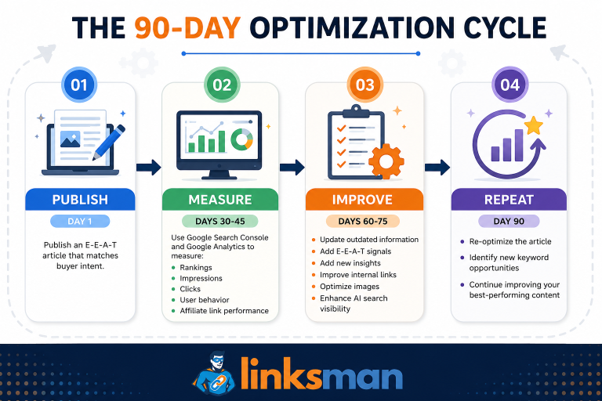
The 90-day optimization cycle

SEO is a continuous process. Instead of publishing an article and forgetting about it, follow this simple cycle:

Timeline Action What to Do
Day 1 Publish Publish an E-E-A-T article that matches buyer intent.
Days 30-45 Measure Use Google Search Console and Google Analytics to measure: 

Rankings

Impressions

Clicks

User behavior

Affiliate link performance 

Days 60-75 Improve Update outdated information

Add E-E-A-T signals

Add new insights

Improve internal links

Optimize images

Enhance AI search visibility

Day 90 Repeat Re-optimize the article

Identify new keyword opportunities

Continue improving your best-performing content

The 90-day optimization cycle

Common SEO affiliate marketing mistakes beginners make

Many beginners don’t fail because affiliate marketing is difficult. They fail because they repeat the same mistakes that slow down growth and reduce earnings.

  • Targeting highly competitive keywords
  • Publishing AI-only content without original insights
  • Choosing products based only on high commissions
  • Ignoring search intent and buyer intent
  • Not building an email list from day one
  • Expecting SEO results within 30 days
  • Chasing traffic instead of affiliate revenue
  • Writing without demonstrating E-E-A-T
  • Ignoring internal linking and on-page SEO
  • Publishing content and never updating it

How much does it cost to start SEO affiliate marketing?

One of the biggest advantages of SEO affiliate marketing is its low startup cost. Unlike paid advertising, you don’t need a large budget to get started.

Expense Required? Estimated Cost
Domain Name Yes $10–20/year
Web Hosting Yes $30–100/year
WordPress CMS Yes Free
Premium Theme Optional $0–100 (one-time)
SEO Plugin Optional Free–$99/year
Keyword Research Tool (Ahrefs or Semrush) Optional $0–150+/month
AI Writing Tool Optional $0–30+/month
Graphic Design Tool (Canva Pro) Optional $0–15+/month
Email Marketing Platform Optional $0–50+/month
Rank Tracking Tool Optional $0–50+/month
Outsourced Content Writing Optional $20–300+ per article
Backlink/Outreach Budget Optional Varies

Estimated Budget:

Budget Type Estimated Cost
Minimum Budget (DIY) $50–150/year
Recommended Budget for Beginners $150–500/year
Growth Budget (with premium tools) $500–2,000+/year

How much can you earn from affiliate SEO marketing?

There is no fixed income in affiliate marketing. Your earnings depend on your niche and content quality as well as search rankings and traffic.

Experience Level Typical Earnings
Beginner (0–1 year) Under $1,000/month
Intermediate (1–3 years) $1,000–10,000/month
Experienced (3+ years) Can exceed $10,000/month,

Actual results vary widely based on niche selection and execution.

Wrapping up

And that’s how to start a successful SEO affiliate marketing business to earn consistent earn affiliate commissions. Make sure you choose the right niche and dedicate a good amount of time on keyword research and E-E-A-T and AI-friendly content creation. 

As your website grows, building authority becomes just as important as good content. Linksman is a link building marketplace that helps publishers acquire high quality and niche-relevant backlinks from trusted websites. A strong backlink profile can improve your website’s authority and support your long term SEO affiliate marketing strategy.

FAQs

What is SEO for affiliate marketing?

SEO for affiliate marketing is the process of optimizing your website and content to rank on search engines and attract organic visitors who are likely to purchase through your affiliate links.

What is the 80/20 rule in SEO?

The 80/20 rule suggests that a small percentage of your content often generates most of your traffic and revenue. Focus on updating and improving your best performing pages instead of constantly creating new ones.

When will you see results from affiliate SEO marketing?

Most affiliate websites start seeing their first organic traffic within 3 to 6 months. However, meaningful rankings and consistent affiliate commissions typically take 6 to 12 months, depending on your niche competition and the quality of your content.

Do you need backlinks to succeed in SEO affiliate marketing?

Yes, but quality matters more than quantity. A handful of relevant and authoritative backlinks can provide more SEO value than hundreds of low quality links.

Share this topic on

Elevate your SEO with
LinksMan!

Quality guest post services and more to boost your Website’s Authority

Related Articles
Best Link Building Services

Best Link Building Services: How to Find Trusted Providers for Your Business

Backlinks are one of the top three factors that help a website rank higher; the other two being strong content and a well-structured site. Think of backlinks as recommendations from trusted websites. Over the years, Google has tightened its rules to ensure users receive the most relevant search results.

There was a time when spammy links were enough to secure top rankings. But with updates like Penguin, those black-hat tactics were penalized heavily, causing countless websites to lose their rankings overnight.

Today, Google rewards relevant, high-quality, and naturally earned links while rejecting anything that attempts to manipulate the system. Statista reports that the top 1 million websites are ranked based on the number of backlinks, showing how link volume correlates with domain authority.

This detailed guide will help you to find out everything about the best link-building services for your organization.

Digital marketing team reviewing link-building analytics and SEO metrics

What Makes Modern Link Building Services Effective?

Building quality backlinks requires expertise, time, and industry connections. 73.2% of marketers believe backlinks influence the chance of appearing in AI search results, making professional link building more valuable than ever.

With that in mind, it’s worth exploring how traditional link building services compare with modern marketplaces reshaping how businesses acquire backlinks.

What is Link Building Marketplace?

A Link Building Marketplace is an online platform where businesses, SEO agencies, and website owners can buy high-quality backlinks from publishers, bloggers, and website owners, all in one place.

Think of it like Flipkart, but for backlinks.

Instead of manually emailing hundreds of websites, negotiating prices, and managing spreadsheets, a marketplace gives you everything in one place — vetted sites, transparent metrics, fixed pricing, and a streamlined ordering process.

Traditional Services vs. Modern Link Building Marketplaces

The link building industry has evolved significantly. The realization of the difference between traditional service providers and new markets will allow making more reasonable decisions regarding investment.

Traditional Link Building Services

In these agencies, everything is done in-house, and they act as the intermediary between the client and publishers. This model is often not transparent when it comes to pricing and metrics. In short, you put your SEO budget on a black box.

Link Building Marketplaces

Modern platforms connect buyers directly with verified publishers, eliminating costly intermediaries. Link Building marketplace approach offers several advantages:

  • Complete Transparency: See exact domain metrics (DA, DR, traffic) before purchasing
  • Price Control: Compare offerings from multiple publishers and choose based on your budget
  • Direct Communication: Work directly with website owners for faster turnarounds
  • Verified Quality: Every publisher undergoes manual verification to ensure legitimacy
  • Secure Transactions: Protected payments through trusted gateways with dispute resolution

Services alone don’t guarantee results, the provider you choose is what truly drives your SEO performance.

Close-up of link quality metrics dashboard displaying domain authority and traffic analytics

Before you invest, it’s important to understand the key factors that separate a good provider from a great one.

What Are the Key Factors When Choosing Link Building Service Providers

When choosing the right link-building service provider, a careful evaluation of key issues is required, such as

Transparency and Metrics

A premium link-building company must provide complete transparency. Before buying, consider real indicators such as domain authority, traffic, niche relevance, clear, transparent pricing, and sample backlinks.

Quality Over Quantity

Quality should be put at the forefront instead of quantity. Even several weak links cannot work anymore. Choose those who allow authentication of their publishers, maintain high standards of content, and provide long-lasting, high-quality links.

White Hat Practices

White-hat methods must be preferred. Avoid questionable strategies like personal blogs, networks, link farms, or automated systems that would hurt rankings. Authenticity and genuineness are actual values.

Industry Experience and Track Record

Experience is invaluable. Removable track records and case studies in your industry usually deliver faster, better results from providers.

Pricing

Link building service prices vary by site quality, domain strength, and backlink type. High authority costs more. Niche sites balance price and value. Check transparency, traffic, and content quality for lasting SEO growth.

Customer Support and Communication

It requires strong support. Request specific account managers, frequent updates, open communication, and responsiveness to ensure the campaigns run smoothly and efficiently.

Integration with SEO Tools

The modern link-building services should be compatible with the most popular search engines. Such integration helps check the metrics and continuously track performance.

Look for services that connect with:

  • SEMrush for comprehensive SEO analysis
  • Ahrefs for backlink tracking and domain rating
  • Moz for domain authority metrics
  • Google Analytics for traffic verification

These integrations ensure you can validate every link opportunity before making a purchase decision.
When building backlinks, the most significant risk is ending up on shady websites with fake stats or spammy histories, which can hurt your rankings. That’s why verification matters. Good platforms check who owns the site, whether it gets real traffic, the quality of its content, and its past performance.

Now that you know what to look for, let’s see which providers stand out in the market. Here is a list of the top link building service providers, to check which one is right for your business.

Top 5 Link Building Service Providers

Picking the right platform can save you time, money, and protect your SEO investment. Here’s a quick comparison of the top link building service providers:

Linksman.io Marketplace offering quick and reliable placements Vetted domains, guest posts, niche edits, link insertions, DA/DR filters Fast, affordable, hands-off link building
Jeenam  SaaS focused link building agency specializing in high-authority backlinks Guest posting, editorial backlinks, brand mentions, listicle link building, niche edits SaaS link building and authority growth
saaslinkbuilder SaaS-focused link building service Niche edits, listicles, brand mentions, SaaS-to-SaaS placements SaaS companies wanting highly relevant backlinks from other SaaS websites
Linkhouse Full marketplace with thousands of publishers 60+ filters, guest posts, sponsored articles, traffic/domain insights Data-driven businesses with strong quality controls
NO-BS Marketplace Transparent SEO marketplace Guest posts, niche edits, publisher transparency, 12-month link guarantee Long-term, risk-free link building
Accessily Large publisher marketplace Thousands of blogs/media sites, guest posts, link insertions, tracking dashboard Variety and flexibility across niches
Vefogix Agency + marketplace hybrid Guest posts, niche edits, high-authority placements, manual outreach Brands wanting guided support and custom campaigns

Best Link Building Services FAQs

What is backlink management?

Backlink management involves keeping track of all the websites that link to you, which are of good quality, and improving them to bring visibility to your site and improve the SEO results.

What is a link-building service?

A link-building service gets you better-quality links from reputable sites, helping your pages rank higher and bringing in more visitors.

What do link builders do?

Link builders find trusted websites and place links to your site there. Their job is to improve your search rankings and bring more organic traffic.

What is a paid link building service?

Paid link building means buying backlinks from other sites. Search engines don’t favor this and may penalize your site, harming your rankings.

How many types of link building are there in SEO?

SEO mainly uses four types of links: dofollow, nofollow, UGC, and sponsored. Dofollow links pass authority, nofollow links don’t, and UGC and sponsored links are tagged for user-created or paid content.

Link Building Service Providers

Final Statement

Selecting the right link-building service means evaluating integrity, quality, ethics, and the level of support they provide. The right partner can turn link building into a powerful growth engine, while the wrong one can hold you back.

Choose a link-building marketplace that offers transparency, proven practices, and visible results. Backlinks play a major role in how search engines perceive your site, directly contributing to your credibility and overall authority online.

Whether you need guest posts, niche edits, or full-scale digital PR campaigns, there’s a provider tailored to your goals. Take the time to choose wisely and invest in links that will genuinely improve your rankings in 2026.

Backlink Types

A Complete Guide to Backlink Types: Safe, Risky, and Harmful Links

Backlinks are one of the most essential and powerful signals that Google uses to rank any website. There is a study to back this.

According to a Backlinko study, a webpage that ranks 1st on Google has an average of 3.8x more backlinks than webpages that pages that rank No.2 to No.10.

These backlinks serve as a trust signal, a recommendation, or, in essence, a vote of confidence.

It tells search engines,” your website is credible, valuable, and is worth checking out.” The more quality backlinks your website has, the more likely it is to rank higher in SERPs.

Simply put, backlinks are the main reason why some webpages get more traffic than others.

Undoubtedly, backlinks are important, but not all backlinks are good. Some backlinks help you rank higher, while some do nothing, and some backlinks can even hurt your website ranking in the long run. Therefore, it is essential to understand the types of backlinks and on which one you should focus – safe, grey-hat, or harmful. If you build backlinks without understanding it, you could waste your valuable time, money, and invite Google penalties.

In this blog, you will learn about the types of backlinks (safe, risky, and harmful). It will help you build the backlinks that help you rank higher in Google’s search results pages.

So, without further ado, let’s get started.

What are Backlinks?

Backlinks are links that your website gets from other websites. They are called backlinks because they “link back” to your site. Backlinks are also known as incoming or outbound links. It plays a major role in a website’s E-E-A-T (Experience, Expertise, Authoritativeness, and Trustworthiness), which is a key factor in how Google analyze content.

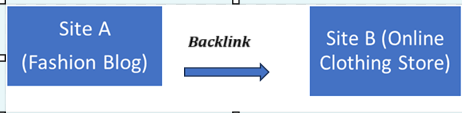
For example, if you run an online clothing store (Site B) and a popular fashion blog (Site A) links to one of your pages, that link becomes the backlink for your website. It not only brings more prospects to your store but also tells search engines that your website is credible and reputable.

Here, if website A links -> website B, it means website B has earned a backlink from Website A.

Backlinks help search engines understand that your website is useful or trustworthy. If trusted websites like Forbes.com are linking to your site, it means your content has value. That’s why Google treat them as a trust signal.

What Makes a Backlink Valuable?

A high-quality backlink will boost your ranking more than many low-quality backlinks. According to John Muller, the quantity of backlinks does not matter, but the quality of backlinks makes all the difference. He said this on Google SEO Office Hours.

Simply put, not all backlinks are equal; some can boost your website’s SEO while others may actually harm your rankings or reputation.

The following criteria define a high-quality backlink.

  • Relevance of linking page – Your website should get backlinks from sites that are related to your topic or industry. If you run a lifestyle blog, a link from the credible clothing brand website is more useful than one from any random tech directory.
  • Domain authority – A backlink from a website with strong authority, like Forbes.com or HubSpot.com, is more beneficial than a low-traffic website.
  • Anchor text quality – Anchor text is the text that users click to visit the link. Backlinks with a relevant keyword or a clear description about the linked page’s topic help Google understand the context and relevancy of the link better.
  • Placement in content – Where the backlink appears also matters. If the link is present in the middle of the blog post is more valuable than the one that is placed in a sidebar or footer. Context is also important. The backlink should be embedded naturally within the main content of the blog post. If it is placed in the sidebar, footer, or author bio, it is not that valuable. If the link is paid or placed out of context, it can harm your website’s rank.
  • Link Diversity – Your backlink profile should include links from different websites and platforms instead of relying solely on a few dominant sources. It signals search engines that your website is relevant, trustworthy, and popular.

Bonus Read: 5 Best Link Building Marketplaces in 2026 | Safe & Trusted

Types of Backlinks by HTML Attributes

If you want to grow your website, it is important to understand the different types of backlinks. Some types of backlinks pass authority while others are just for reference. Knowing types of backlinks helps you understand how Google sees your content and helps you build a stronger backlink profile. Before understanding its types, let us first understand what rel attributes are.

What are rel attributes?

The rel attribute, when applied to the <a> element it provides information to the search engine regarding the nature of the link, how they interpreted and passes ranking signals. Google also use these attributes for crawling and indexing purposes.

Here are four main types of backlinks.

1. Dofollow backlinks

They are the most valuable for SEO. These types of links pass authority (link juice) from the linking page to yours. If your website has more quality backlinks, your content will rank higher. All links are by default dofollow.

For example,

<a href = https://jeenaminfotech.com/> Trusted Link-Building Agency </a>

2. Nofollow backlinks

Nofollow backlinks tell search engines not to pass any authority to the linked page. Such links do not directly boost ranking, but they can still drive traffic and help you build brand visibility. These are useful when you don’t want to endorse any untrusted sites or affiliate links.

For example,

<a href = https://jeenaminfotech.com/ rel=”nofollow”> Read this </a>

3. Sponsored backlinks

Sponsored backlinks are also known as paid links. It indicates that the person inserting sponsored backlinks may get paid for doing it. Google considered them spammy. If you don’t tag sponsored links properly, it can be the reason for Google penalties or a drop in ranking.

For example,

<a href = https://jeenaminfotech.com/ rel=”sponsered”> Visit our website </a>

4. UGC backlinks

UGC backlinks usually come from user-generated content like forums, blog comments, or community discussions. It should be tagged properly to inform the search engine that the content was not published by the website owner.

<a href = https://jeenaminfotech.com/ rel=”ugc”> Read my blog </a>

 UGC links don’t pass much authority, but they can be useful for driving referral traffic or brand discovery when used naturally. 

Types of Backlinks (Based on How They’re Built and Where They Come From)

Not all backlinks are useful. Some can boost traffic significantly, while others can harm your website, and others do nothing. Here we have grouped them into three different categories – the good, the neutral, and the bad.

A. Safe Backlinks (White-Hat)

Backlinks that follow Google’s guidelines and are genuinely earned are safe backlinks. They help you boost your website’s authority over time and positively impact your SEO performance.

1. Guest Posts on Relevant Blogs

Guest post backlinks, you generally get by writing blogs or articles for other websites in your industry. You can provide valuable content to their audience, and in return, you get one or two links back to your own site. It helps you reach a new audience and build authority in your niche. 

For instance, if you are a digital marketing agency and create a blog post on digital marketing, linking it to your landing page, it’s considered a guest post link. Usually, guest post backlinks appear in the author bio or naturally within the post. To maximize your benefits, always choose websites with good authority and real traffic. Your guest post content should be clear, concise, useful, and not overly promotional.

2. Editorial Links from Content

Whenever other websites find your content useful and valuable, they naturally add links to your website. You don’t ask them to do it, but they do it because your content genuinely offers something valuable, which is worth referencing. These are the best backlinks that you can get.

Usually, editorial backlinks come from blogs, news sites, or other industry resources. If you publish original research or unique insights that others want to cite, you can increase your chance of earning editorial links.

Image Source: Link

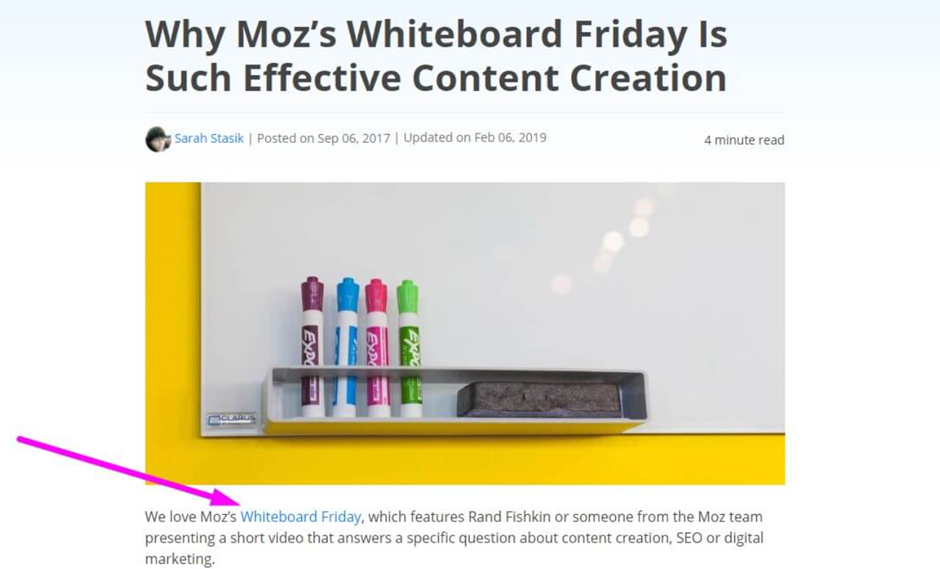
3. Contextual Links Within Body Copy

Contextual links are placed into existing content on another website. In this, you don’t write new content, but you reach out and request that they add your link to their webpage. It is also known as link insertions.

For example, if there is a good blog post on link building and your tool fits into that topic, you can ask the author to add your link. It will help you quickly get relevant links from the aged content.

Image Source: Link

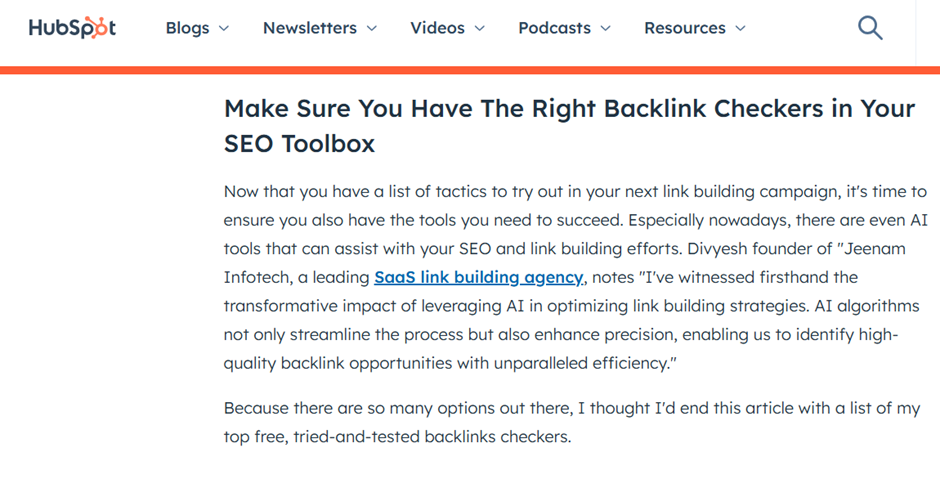
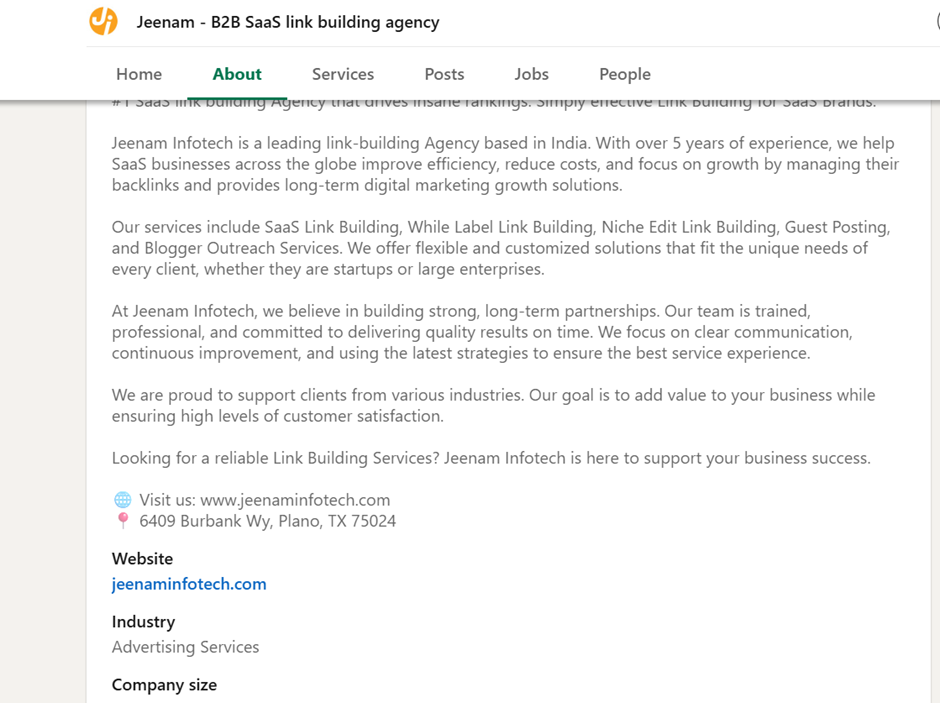
Here, HubSpot has linked Jeenam Infotech contextually, which can drive massive traffic for them.

4. HARO and Expert Interviews

The full form of HARO is Help a Reporter Out. It is the platform where journalists ask for expert input. If you have in-depth expertise on that topic and your answer gets published there, it usually gives you a backlink. These links come from high-authority websites or blogs.

For example, a digital marketing journalist might ask for marketing tips. If you give them a solid answer and they use it, your name and website link might be included. Such link efforts take time, but they bring serious SEO value. You don’t need to be an expert to start; all you need to offer is value and be consistent in that.

5. Webinar Links

Do you often host or speak in a webinar? If yes, it’s a great opportunity for you to earn a backlink. These webinars are usually promoted on other websites, and they include a backlink to your site. These webinar links bring you in front of the right audience. As webinar links are based on expertise and engagement, if you want to make the most out of it, collaborate with well-known names in your field and share the event on social media platforms or community pages.  

Image Source: Link

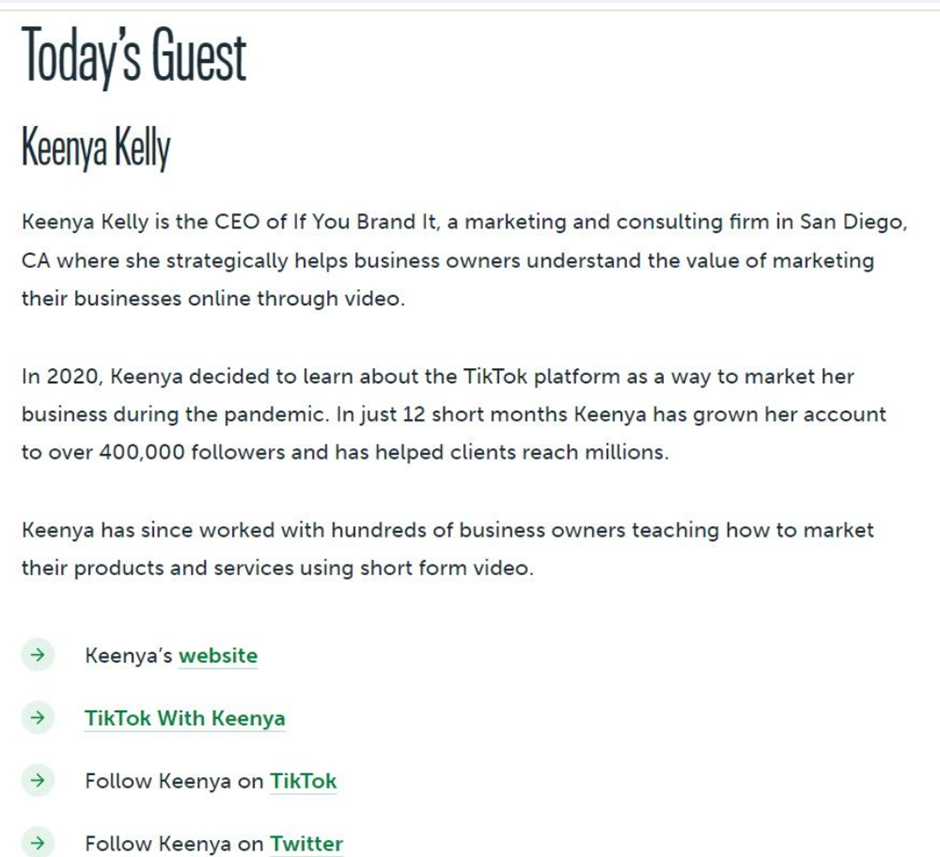
6. Podcast Links

If you become a guest on the podcast, you can earn a backlink in the guest profile or show notes. These backlinks are valuable and tied to your personal or brand authority.

If that podcast ranks well and has loyal listeners, backlinks can be very beneficial. Therefore, to get featured, you can pitch yourself with a strong, relevant topic or story. Be helpful as it will help you build backlinks and audience trust.

Image Source: Link

7. Resource Pages

Some websites list useful resources on specific topics on their website. If your content is strong, like a tool, checklist, or guide, you can request that they add yours to their website. These kinds of backlinks are powerful when placed on the well-established blogs, .edu sites, etc.

All you need to focus on here is to offer value. If your content is unique, you can contact the site owner and explain why your link should be added here. The request should be respectable tone and in simple form.

Image Source: Link

B. Neutral or Risky Backlinks (Grey-Hat)

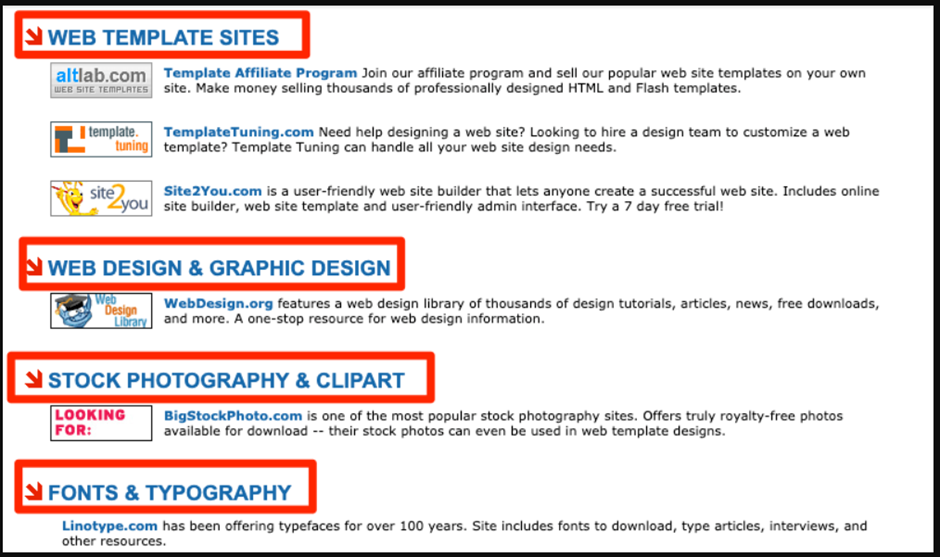
Grey-Hat backlinks are those types that do not carry much SEO value or harmful. Google usually ignore them. If grey-hat backlinks are used properly, they can bring real traffic, brand exposure, and link diversity. Here are some most common types of grey-hat links.

1. Directory Submissions

Directory backlinks usually come from online directories such as Google, Yelp, Tripadvisor, etc.

For example, Tripadvisor listing this Italian restaurant II Ristoro includes a backlink to its website. 

This type of link does not boost your SEO like editorial backlinks do. However, they can provide you with valuable referral traffic by improving local SEO results. You need to avoid outdated and spammy directories and choose the known, used by your target audience, and drive your real traffic.

2. Press Releases

Whenever you publish a press release and distribute it via newswire platforms, you may get backlinks from media sites. These links are nofollow and don’t boost your SEO efforts much. However, press releases can bring brand awareness and bring you referral traffic.

You must use it whenever you have something real and valuable to share. Choose high-quality PR sites or pitch your story to a known journalist in your industry.

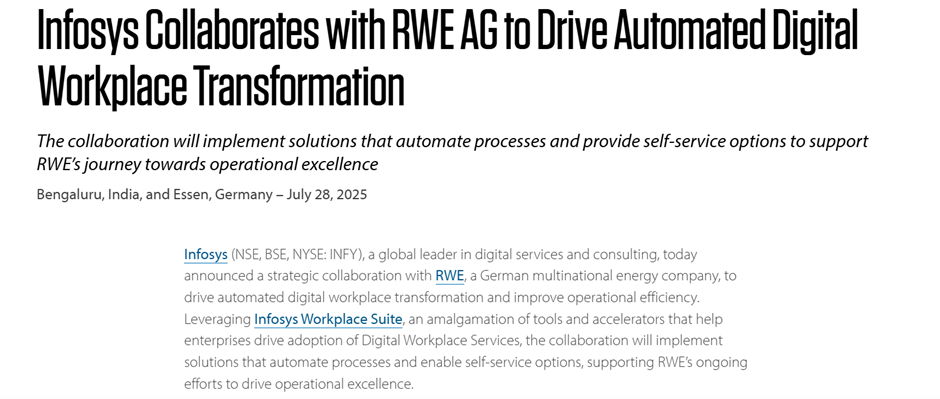
For example, here Infosys has mentioned that they collaborate with RWE, which is a German multinational energy company, by linking their website.  

3. Comment Backlinks

Whenever you leave a reply on the blog post, forum, or social media and include your website URL, it is a comment backlink. This backlink is nofollow by default, so it does not directly boost your SEO efforts. However, they can drive referral traffic. Only include links in comments if you provide helpful information that users are likely to appreciate. Avoid generic comments like great post.

When you comment on high-quality blogs or niche-relevant sites, it helps you stay visible in the community. 

Image Source: Link

Bonus Read: Best Link Building Services: How to Find Trusted Providers for Your Business

4. Business Profile Links

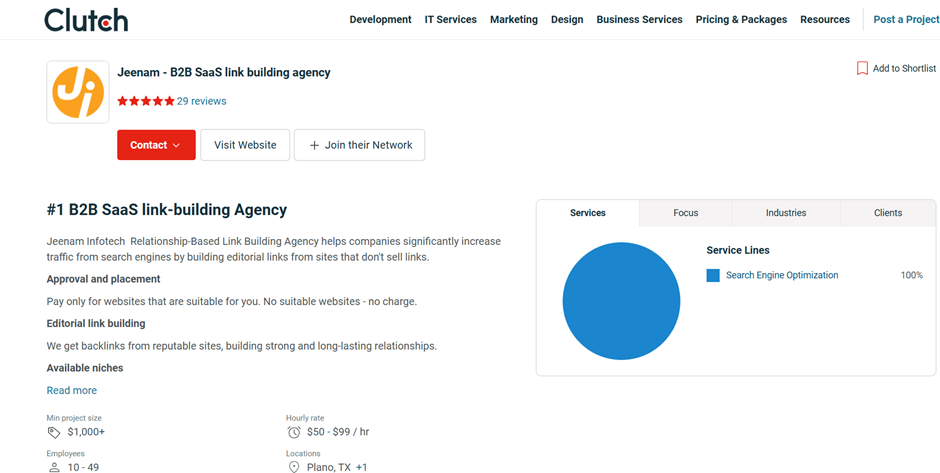
Whenever you create a profile on platforms like Google Business, Yelp, Clutch, or industry directories, you get a link to your website. It is called the business profile link. They are useful in improving local SEO efforts. These links are nofollow, but still add credibility. Ensure you have uploaded consistent details on all platforms because inconsistent details can confuse Google. 

Image Source: Link

5. Social Media Links

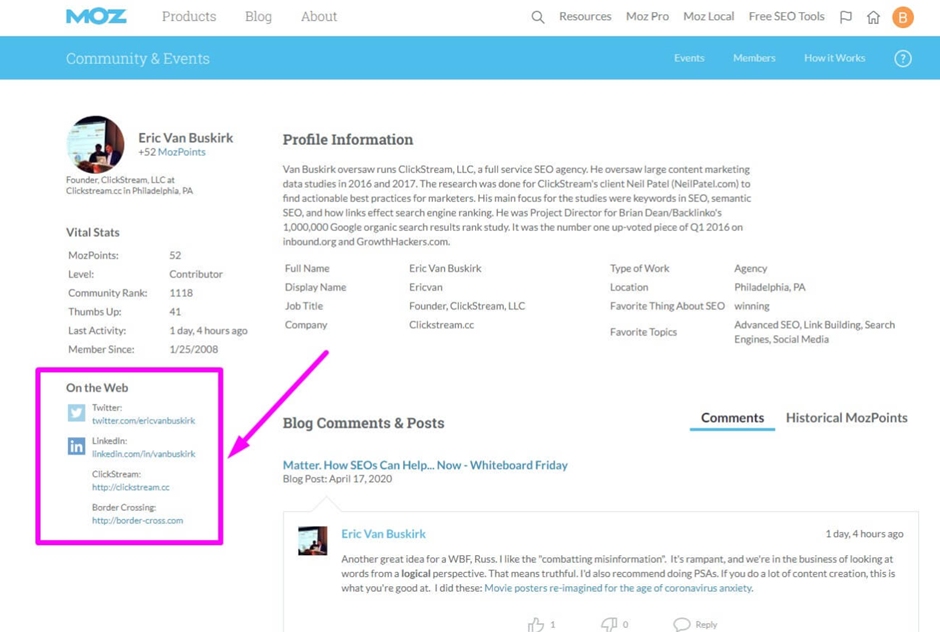
These are links from your social media profile pages, like LinkedIn, Twitter, Instagram, or YouTube or author bios. These are nofollows but help in improving branding and trust, and drive traffic.

Quick Comparison: Low Risk Vs High Risk Grey-Hat Links

Backlink Type Low Risk/Safe High Risk
Directory Submission Safe to use when submitting to trusted, niche-relevant, high-traffic directories like Yelp When you submit to outdated, low-quality, or irrelevant directories.
Press Releases When it is issued for actual news/events, and published on the authoritative PR platforms. Overuse of PR syndication for SEO with no real news value
Comment Backlinks Thoughtful and helpful comments on niche-relevant blogs or forums Generic or mass comments such as “Nice Post” with links to unrelated sites
Business Profile Links Creating a genuine business profile with accurate and consistent information across platforms Creating fake or duplicate solely to drop links
Social Media Links When linking from official brand accounts like bios, posts, and about sections Creating multiple fake profiles or spamming links in comments

C.    Harmful Backlinks (Black-Hat)

Some backlinks can damage your SEO. These links come from shortcuts or shady tactics that violate Google’s rules and are harmful backlinks. These backlinks aim to manipulate search rankings. So, it can hurt performance. Black-Hat backlinks can give you a temporary boost, but usually lead to penalties and, in some cases, even deindexing. You should avoid such types of backlinks if you want to improve your rankings. Here are a few examples of harmful backlinks.

1. Paid dofollow links

Buying backlinks seems tempting as it gives you a quick win. However, if the website is spammy, without real traffic, or exists only to sell links, Google can easily spot it. Such links can give you penalties, or your website ranking can drop. So, instead of paid links, invest in real content or PR.

2. Private Blog Networks and Link Farms

These are a network of websites, but they have only one purpose: to sell backlinks. They don’t have any real content, traffic, author, or purpose. Google can easily find it out. So, if your website is connected to a link farm or PBN, it can give you a manual penalty or even deindex your webpage completely. So, you should always avoid shortcuts like these.

3. Spammy Automated Tools

Some automated tools claim they can build backlinks automatically through blog posts or spinning content. Such tools create low-quality and unreadable articles with links stuffed inside. Google consider it as spam, so it won’t bring traffic and doesn’t build authority. Besides, it can damage reputation. Therefore, you should avoid any such tool or service that promises hundreds of links for cheap.

4. Forum Spam and Blog Spam

Forum spam and blog spam mean posting irrelevant or overly promotional content to increase the search traffic of the website. It is usually done by inserting links or text into comment sections, forums, or other UGC content areas on the website. As in you try to manipulate search engines, it can harm your website’s SEO performance. Therefore, only add backlinks in forums or comments, and include those that provide real value.

Link Building Strategies to Earn Quality Links

If you want to earn quality links, here are a few link-building strategies that you need to follow.

  1.     You should create useful linkable assets like guides, infographics, tools, and research.

You must focus on producing original, high-quality content that helps you get dofollow links from editorial publications.

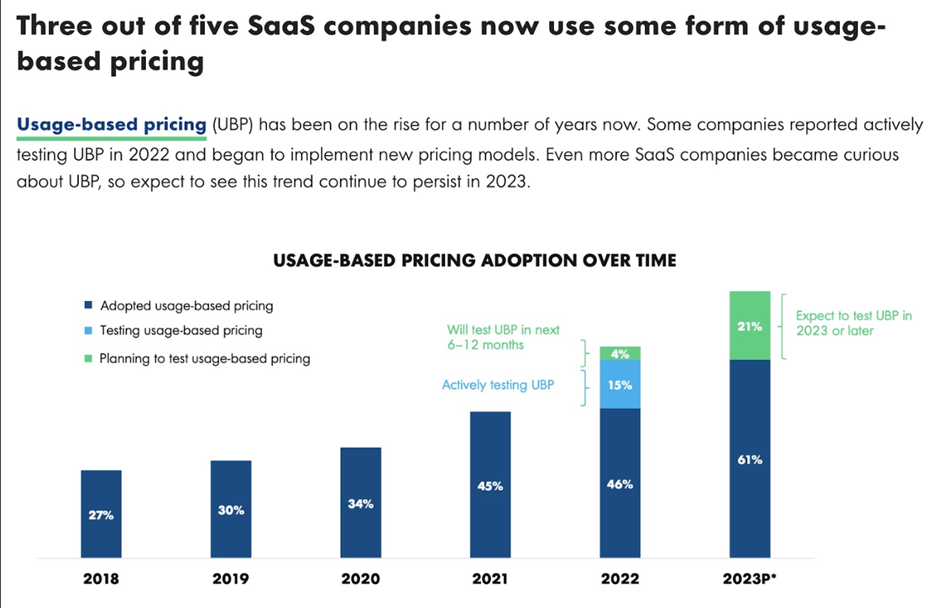
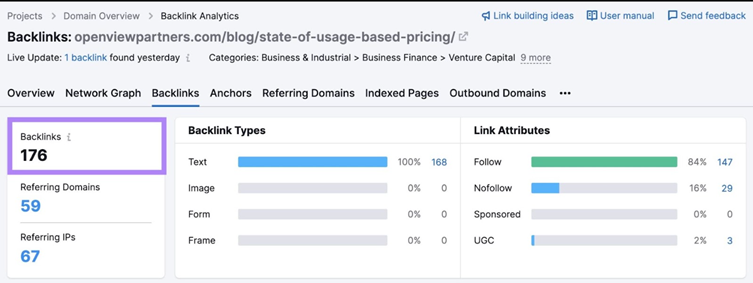
For example, you can take the example of OpenView Venture Partners. They have done a study on pricing, and as per Semrush, this study has earned 170+ backlinks since its publication, and 147 of them are dofollow. 

Image Source: Link

Image Source: Link

  1.     You can employ outreach strategies such as email, PR, and influencer collabs.

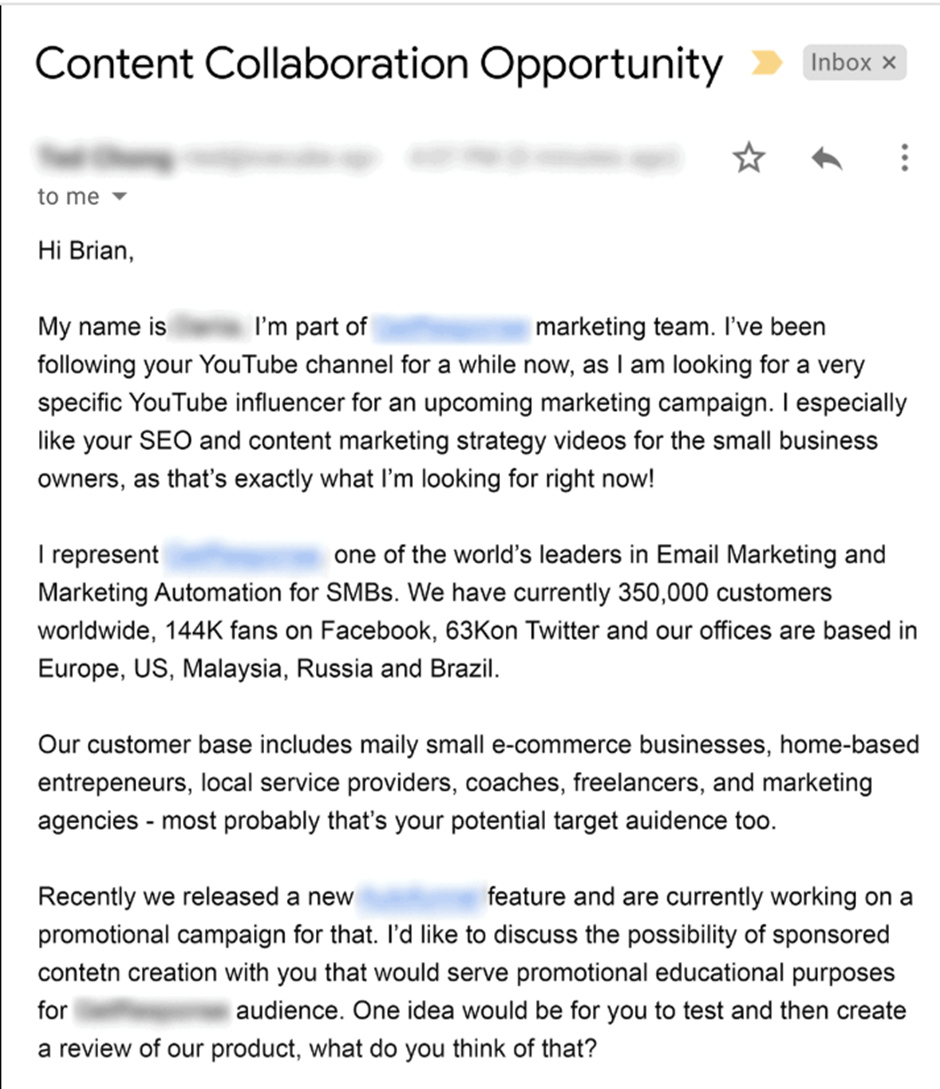
Email outreach, PR, and influencer collabs can help you earn quality backlinks. It will drive real traffic to your website and boost your SEO rankings. 

Image Source: Link

  1.     Build a relationship with industry blogs.

Try to know others in your industry who run authoritative websites. Engage on LinkedIn with them and give genuine, valuable comments on their blogs. It gives you an opportunity to earn a natural link opportunity. You can use link-building tools like Semrush or linksman.io to find high-authority websites in your niche and build relationships.

  1.     Repurpose content for backlinks.

From one long-form blog post, you can create infographics, reels, videos, convert them into a podcast, tutorial, and much more. Repurposing content can help you earn quality backlinks as it allows you to cater to the diverse content preferences of audiences.

 For example,

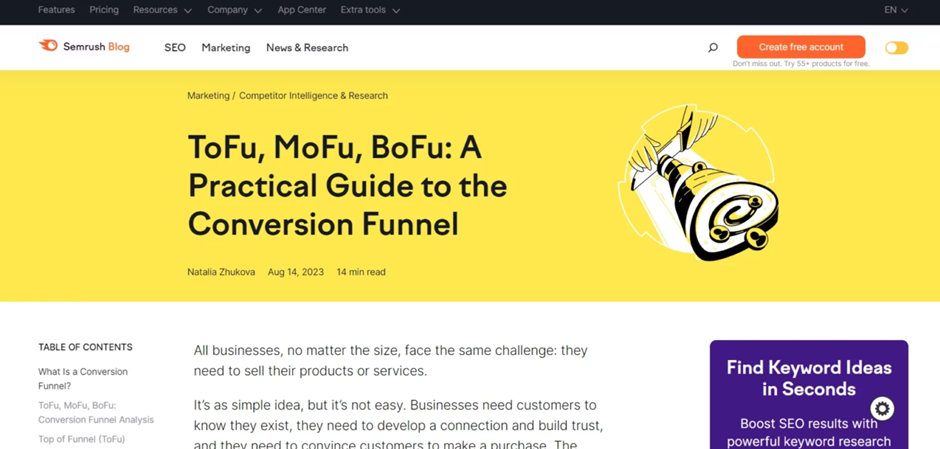
SEMrush is a master at effectively doing content repurposing. They published a high-quality blog post on the conversion funnel – ToFu, MoFu, and BoFu

Image Source: Link

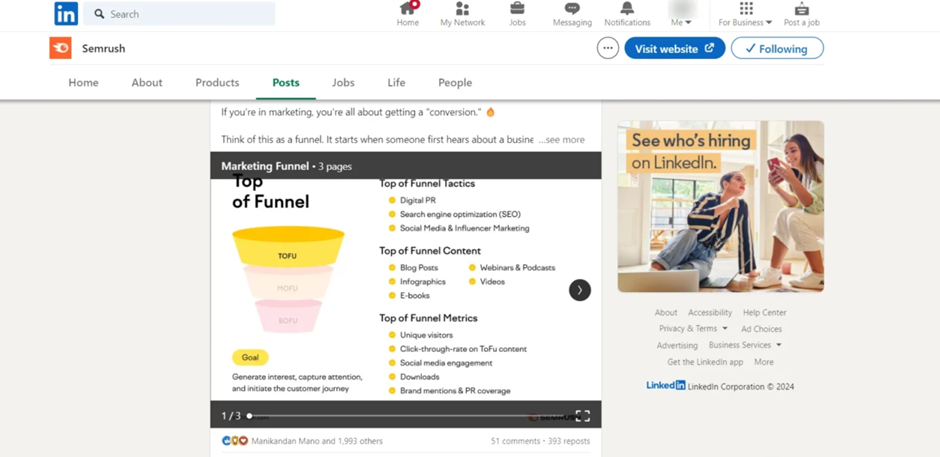
 Later, they repurpose it by creating a LinkedIn carousel post which includes all the key points from the blog.

Image Source: Link

How to Audit and Maintain a Healthy Backlink Profile

Once you’ve started building backlinks, start auditing and maintaining them. So, they help your website rank, find you new growth opportunities, and here is how to do it right.

  • You can use tools like Google Search Console, Ahrefs, SEMrush, etc., to check how many backlinks you currently have and which pages they point to.
  • Regularly monitor new and lost backlinks. If you lose any good backlinks, reach out to them and try to get them back.
  • If you find any toxic backlinks which can harm your website, use tools like SEMrush or Moz, identify them and disavow them if required.
  • Focus on which one is bringing traffic, guest posts, blogs, resource pages, etc, and double down your strategies on those.
  • Ensure your links are using natural and relevant anchor text and are placed in useful content. It affects how much SEO value they pass.
  • Focus on quality instead of quantity. Don’t try to build 200 links in 15 days and then stop. Google usually prefer steady and organic growth. So, keep publishing and tracking your progress month by month.

Epilogue – Types of Backlinks

Backlinks are valuable even after the recent Google algorithm updates. However, building the backlink that actually works takes time, effort, and a strategic and ethical approach. Hopefully, by reading this blog, you understood what is the difference between safe, risky, and harmful backlinks and which one you should choose. However, before we sign off, here are a few things that you should keep in mind while building your backlink strategy.

  •   Focus on quality instead of quantity.
  •   Always obtain links from reputable and relevant websites.
  •   Never chase automated or spammy backlinks.
  •   Avoid shortcuts, as they can harm your website’s credibility.
  •   If you notice any toxic link, clean it up immediately.
  •   Optimize your link-building strategy for long-term SEO success.
  •   To strengthen your backlink profile, regularly audit it. 

Do you need help auditing your backlink profile? Get in touch with us today!

FAQs

1. What are toxic backlinks?

Toxic backlinks are those that come from low-quality or spammy sites. If it is one or two, Google may ignore it, but if your website has too many toxic backlinks, it can harm your rankings and even trigger manual penalties. You must use tools to identify and disavow them if required.

2. Are nofollow backlinks valuable for SEO?

Yes, nofollow backlinks are valuable for SEO. They don’t directly boost search engine rankings like dofollow links. However, they can drive referral traffic, increase brand awareness, and help you build a more natural and diverse link profile.

3. How often should I check my backlink profile?

You should check your backlink profile at least once a month to ensure it is not harming your SEO efforts. The ideal frequency depends on the website’s size, industry, and link-building activity.

Small websites and blogs Every 1-2 months
Medium-sized businesses Every 2 to 4 weeks
Large websites and eCommerce websites Every week or bi-weekly
New websites Every three months
Established sites – low-competition niche Every 6 to 12 months
High competition industries Every 2 to 4 months

4. Are all paid links considered harmful?

Not all paid links are harmful, but many of them are. Buying or selling links to manipulate search ranking is against Google’s guidelines.

5. How do I disavow backlinks in Google Search Console?

If you want to disavow backlinks in Google Search Console, follow these steps.

  • Create a text file.
  • List the URLs or domains you want to disavow.
  • List URL in this format – domain:example.com

Upload this text file through the disavow links tool in Google Search Console for the specific property. Google will ignore these backlinks to your site.