
SEO affiliate marketing is a business model where you earn commissions by promoting other people’s products or services on your website. You create helpful E-E-A-T content that ranks on search engines like Google and attracts people looking for information or products. When visitors click your affiliate links and make a purchase, you earn a commission.
Success in affiliate marketing depends on attracting targeted organic traffic with high purchase intent and turning those visitors into paying customers. However, online search is changing. People now use Google AI Overviews and AI-powered search platforms to get answers without always clicking through to websites.
That’s why you need a modern SEO affiliate marketing strategy that helps you gain visibility in both traditional search results and AI search experiences.
In this guide, you will learn:
- What SEO affiliate marketing is and how it works
- Whether affiliate marketing is still worth starting in the age of AI search
- The complete SEO affiliate marketing roadmap
SEO affiliate marketing checklist for beginners
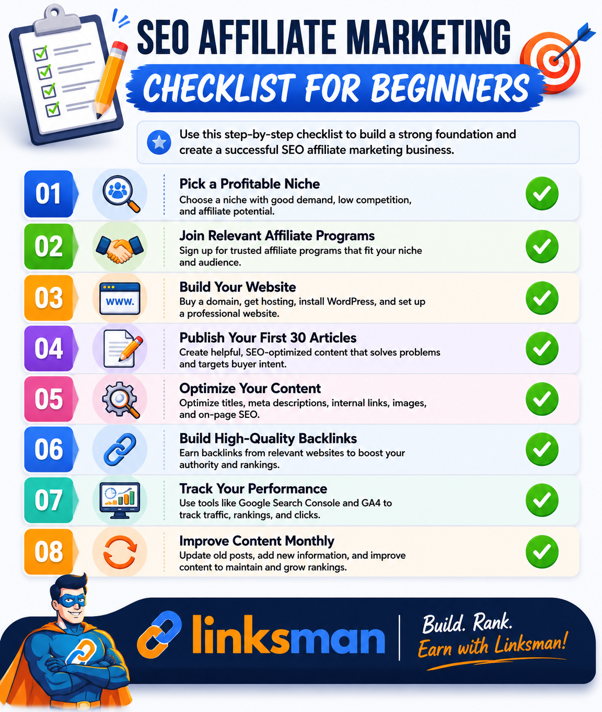
SEO affiliate marketing – Key highlights
- Affiliate marketing is a massive opportunity. According to Influencer Marketing Hub, more than 80% of brands worldwide now run affiliate programs to promote their products and services.
- SEO is the most popular traffic source for affiliate marketers. Data from AffiliateWP shows that nearly 69% of affiliate marketers use SEO to drive organic traffic.
- Earnings depend on experience. Beginners with less than one year of experience typically earn under $1,000 per month, while affiliate marketers with 10+ years of experience earn an average of over $44,000 per month. (Authority Hacker)
What is SEO affiliate marketing?
SEO affiliate marketing is the process of turning Google searches into affiliate commissions. It involves creating content that ranks for product-related searches so people can discover your website while researching a purchase. By connecting potential buyers with relevant products, you earn commissions from qualifying affiliate sales.
It combines two powerful strategies:
- Affiliate Marketing – Promoting products or services and earning a commission when someone makes a purchase through your affiliate link.
- SEO (Search Engine Optimization) – Optimizing your website and content to appear higher in search engine results and attract organic traffic.
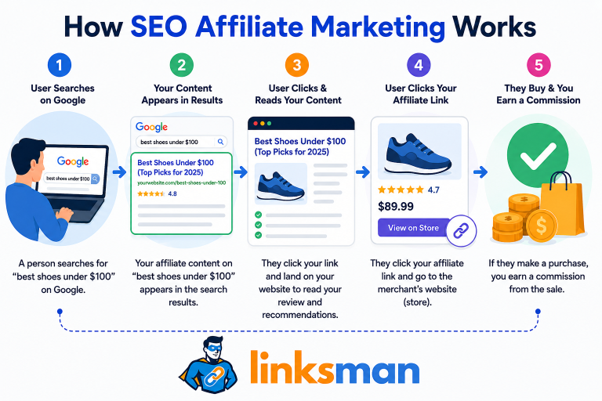
Why SEO is the best traffic source for affiliate marketing?
Affiliate marketers can generate traffic from several sources, including paid ads and social media as well as email marketing and search engines. While each channel has its advantages, SEO remains one of the most beginner friendly and sustainable options.
- High buying intent. Someone searching for “best project management software for small businesses” is much closer to making a purchase than someone casually browsing social media.
- Long term traffic. A social media post may stop generating traffic within days, and paid ads stop working as soon as you stop spending money. In contrast, a well optimized article can continue attracting visitors and affiliate commissions for months or even years.
- Scalable growth. Every new high quality article is another opportunity to rank and generate affiliate commissions. As your content library grows, your earning potential grows with it.
| Traffic Source | Cost | Difficulty | Long Term Value |
| SEO | Low | Medium | High |
| Paid Ads | High | High | Low |
| Social Media | Low | High | Medium |
| Email Marketing | Low | Medium | High |
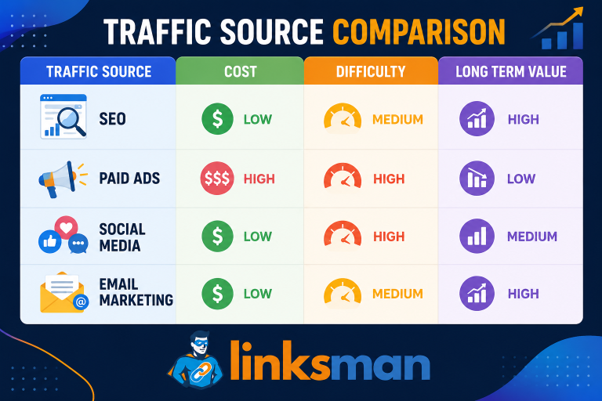
For beginners with limited budgets, SEO offers the best balance of affordability + scalability + long term growth.
Bonus Read: SEO Reseller Programs: Complete Guide for Agencies in 2026
Is affiliate marketing still worth starting in the age of AI search?
Yes. However, the way affiliate marketers attract traffic is changing.
Affiliate marketing depends on traffic and clicks. For years, Google Search was the primary source of affiliate traffic:
Google Search → Your Content → Affiliate Link → Commission
Today, many searches look different:
Google Search → AI Overview → Answer
Google AI Overviews and ChatGPT as well as Perplexity and other AI-powered search platforms can answer many questions directly without requiring users to visit a website. According to Ahrefs, the presence of AI Overviews can significantly reduce clicks to organic search results. Their research found that top-ranking pages may experience click-through rate (CTR) declines of 38% to 58%, with some industries seeing drops as high as 61% to 80%.
Does this mean affiliate marketing is dying?
Not at all.
A recent discussion on Reddit asked a simple question: “Is affiliate marketing still worth starting in 2026?”

The responses from marketers and creators were surprisingly consistent. Most agreed that affiliate marketing is still a profitable opportunity, but the old approach of publishing generic content and expecting easy rankings no longer works.

One comment summed it up perfectly:
“Affiliate marketing in 2026 is not dead. Low-effort affiliate marketing is.”

Look at this comment on the Reddit discussion. People are even making decent money with affiliate marketing.

AI is reducing traffic to generic informational content because it can answer simple questions instantly. However, AI still struggles to replace content that includes:
- Real product reviews based on firsthand experience
- Product comparisons and alternatives
- Original research and data studies
- Case studies and personal results
- Content that helps users make buying decisions
The key is to create content that offers something AI cannot easily replicate. Successful affiliate marketers are not just optimizing for Google rankings. They are creating citation worthy content that earns visibility in both traditional search results and AI search experiences.
How to start SEO affiliate marketing
Now that you understand the fundamentals, let’s walk through the complete SEO affiliate marketing roadmap that takes you from choosing a niche to earning your first commissions.
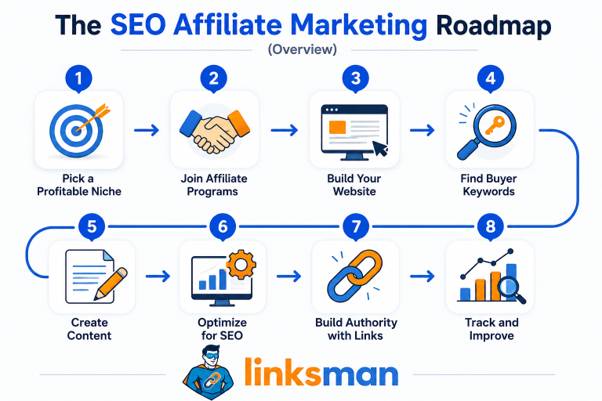
Step 1. Choose a niche you can actually win in
The biggest mistake beginners make is chasing the highest paying niche instead of choosing a niche they can realistically compete in.
Many people jump into highly competitive markets such as credit cards and gambling because they offer attractive commissions. However, these industries are dominated by established brands with massive budgets and years of authority. And this makes them difficult for new websites to rank in.
Before choosing a niche, it helps to understand which industries generate the highest affiliate income. According to a data from AuthorityHacker, the following are among the most profitable affiliate marketing verticals:
| Vertical | Average Monthly Income |
| Education and E-learning | $15551 |
| Travel | $13847 |
| Beauty and Skincare | $12476 |
| Gaming and Esports | $12475 |
| Finance | $9297 |
| Technology | $7428 |
| Digital Marketing | $7218 |
| Health and Fitness | $7194 |
| E-commerce | $5967 |
| Home and Garden | $5095 |
However, don’t choose a niche simply because it pays well. The best niche is one that is profitable for you.
The sweet spot framework
A good affiliate niche should have:
- High buyer intent
- Multiple affiliate programs
- Consistent search demand
- Low to medium competition
- Long term growth potential
Here are some good examples for beginners
- Home office setup
- Coffee gear
- Camping equipment
- WordPress tools
- AI software
- Pet products
How to choose the right niche
Ask yourself these questions:
- Am I genuinely interested in this topic?
- Can I create content on this niche for the next few years?
- Are there enough products and affiliate programs to monetize?
- Do people actively search for these products online?
- Can I provide insights that competitors and AI cannot easily replicate?
Step 2. Find affiliate programs worth promoting
Once you have chosen your niche, the next step is to join affiliate programs that match with your audience. An affiliate program allows you to earn a commission whenever someone purchases a product or service through your unique referral link.
Best affiliate programs for beginners
| Platform/Program | Best For | Commission Model |
| Amazon Associates | Physical products | Percentage of sale |
| Impact | Global brands | Varies by advertiser |
| ShareASale | E-commerce and lifestyle | Depends on merchant |
| CJ Affiliate | Enterprise brands | Based on advertiser |
| PartnerStack | SaaS and B2B software | Varies by partner |
| Semrush | SEO and Marketing tools | High fixed commission |
| HubSpot | CRM and Marketing software | High value commission |
| Canva | Design software | Recurring/partner commission |
| Bluehost | Web hosting | Fixed commission per sale |
Note – Many SaaS companies also run their own direct affiliate programs.
How to evaluate an affiliate program
Before joining a program, check the following factors:
- Commission rate – How much do you earn per sale or lead?
- Cookie duration – How long does your referral remain valid after someone clicks your link?
- Product quality – Only promote products you would confidently recommend.
- Conversion rate – A product with a lower commission but a higher conversion rate may earn more overall.
- Brand reputation – Established brands often convert better and build trust with your audience.
Step 3. Build your affiliate website
Now it is time to build your website. Don’t overthink this step. Your goal is to create a clean and fast website that you can grow over time.
Here is the minimum setup beginners will need:
- Domain name – A memorable and relevant website name.
- Web hosting – A reliable hosting provider to keep your site online.
- WordPress – The most popular content management system for affiliate websites.
- A lightweight theme – Choose a simple and mobile-friendly theme that loads quickly.
Many beginners spend weeks comparing themes and plugins instead of publishing content. Keep your setup simple and start creating quickly.
Step 4. Find buyer-intent keywords that generate sales
One of the biggest mistakes beginners make is assuming that more traffic means more money. It doesn’t.
A website with 1,000 visitors who are ready to buy will often earn more than a website with 100,000 visitors who are simply looking for information.
That’s why successful affiliate marketers focus on buyer intent keywords rather than just high volume keywords.
The 4 types of affiliate keywords
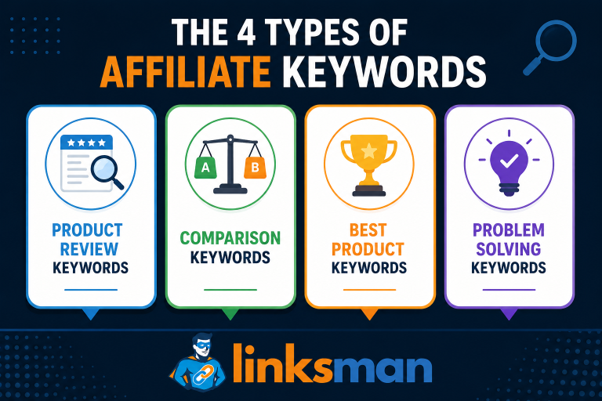
| Keyword Type | What It Means | Examples | Best For |
| Product Review Keywords | Users are researching a specific product before making a purchase. | Semrush review
Surfer SEO review Hostinger review |
High conversions |
| Comparison Keywords | Users are comparing two or more products to decide which one to buy. | Ahrefs vs Semrush
Rank Math vs Yoast Jasper vs Claude |
Highest conversions |
| Best Product Keywords | Users are looking for recommendations within a product category. | Best email marketing software
Best CRM for small businesses Best AI writing tools |
High traffic and strong purchase intent |
| Problem Solving Keywords | Users are searching for a solution to a problem that your recommended product can solve. | How to improve email deliverability
How to speed up a WordPress website How to generate more leads |
Build trust and introduce affiliate products |
Tip – Don’t chase the highest search volume. Chase the highest buying intent.
For example, the keyword “What is email marketing?” may receive thousands of searches, but many users are simply learning the concept.
On the other hand, someone searching for “Best email marketing software for small businesses” is much closer to making a purchase, making it a far more valuable keyword for affiliate marketing.
How to find buyer-intent keywords
Finding profitable affiliate keywords is easier than most beginners think. Start by putting yourself in the shoes of someone who is about to make a purchase.
Look for search phrases that include words such as:
| Keyword Pattern | Example |
| Review | Ahrefs review |
| Best | Best AI software |
| Vs | Ahrefs vs Semrush |
| Alternative | Canva alternatives |
| For | Best CRM for small businesses |
| Pros and Cons | Hostinger pros and cons |
| Pricing | Semrush pricing |
| Discount/Coupon | Bluehost coupon |
| Top | Top AI writing tools |
| Near Me | Running shoe stores near me |
You can discover these keywords using tools such as:
- Google Autocomplete
- Google “People Also Ask”
- Google Related Searches
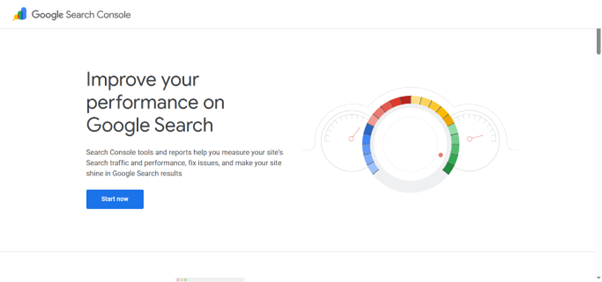
- Google Search Console
- Ahrefs
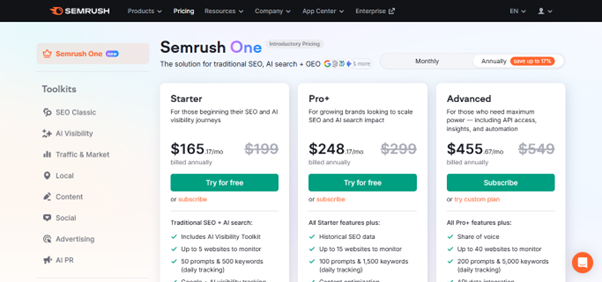
- Semrush
- Keyword Planner
Step 5. Create E-E-A-T content that matches buyer intent
Finding the right keywords is only half the job. Your content must match what the searcher is actually looking for. The closer your content aligns with buyer intent, the more likely visitors are to trust your recommendations and make a purchase.
Best affiliate content types
| Content Type | Example |
| Product Reviews | Ninja Creami Review |
| Comparison Posts | Dyson Airwrap vs Shark FlexStyle |
| Best-X Lists | Best Hiking Backpacks for Beginners |
| Tutorials | How to Build a Home Office on a Budget |
| Case Studies | How I Saved $500 a Year Using Smart Home Devices |
| Alternative Posts | Grammarly Alternatives |
A beginner content plan (Your first 30 articles)
Instead of publishing random topics, follow a structured content plan that balances commercial and informational content.
| Content Type | Number of Articles |
| Product Reviews | 5 |
| Comparison Posts | 5 |
| Problem-Solving Guides | 10 |
| Supporting Informational Articles | 10 |
How to write E-E-A-T content that google trusts
Google recommends creating content that demonstrates E-E-A-T, which stands for Experience, Expertise, Authoritativeness, and Trustworthiness. These are important quality signals that help search engines and AI-powered search platforms identify reliable content.
- Experience – Share firsthand product testing and personal use cases whenever possible
- Expertise – Provide accurate and well-researched information that genuinely helps the reader
- Authoritativeness – Build credibility by consistently publishing high quality content within your niche
- Trustworthiness – Give honest recommendations and disclose affiliate relationships
Instead of rewriting information that already exists online, add unique value by including:
- Original photos or screenshots
- Product testing and comparisons
- Personal insights and case studies
- Original research or data
- Honest pros and cons
How to create content that ranks in AI search
- Answer the user’s question clearly and completely
- Share firsthand experience or unique insights
- Use comparison tables and bullet points to improve readability
- Support your claims with credible data and sources where appropriate
Step 6. Optimize every article for SEO (Technical and on-page SEO)
Creating great content is only part of the job. You also need to optimize every article so that search engines can understand and rank it.
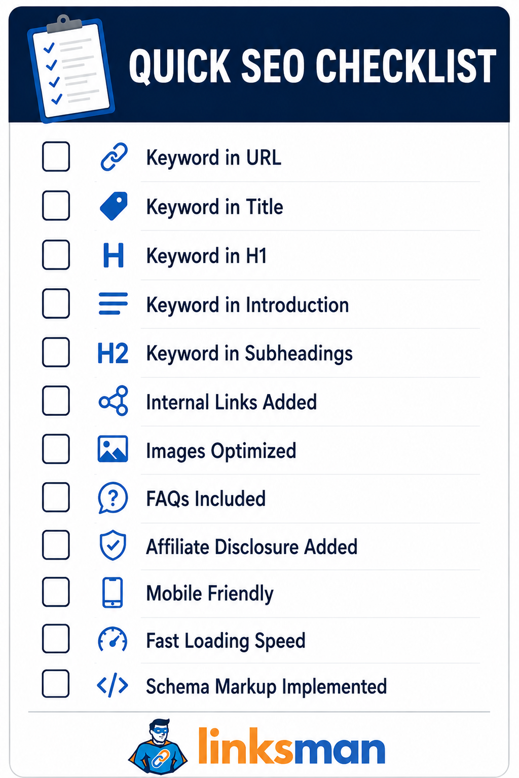
On-page SEO checklist
Before publishing an article, make sure your target keyword appears in:
- URL
- SEO Title
- H1 Heading
- Introduction
- At least one H2 or H3 subheading
- Image alt text (where relevant)
- Meta description (naturally)
At the same time, avoid keyword stuffing. Write naturally for people first and search engines second.
Technical SEO checklist
Every affiliate website should also have:
- Fast loading speed
- Mobile friendly design
- Secure HTTPS website
- Clean and user-friendly URLs
- Optimized images
- Review or Product Schema markup
- Proper indexing in Google Search Console
These technical improvements help search engines crawl your website and improve the overall user experience.
Don’t forget internal linking
Internal links help search engines understand your website structure while guiding visitors to related content.
For example:
- A tutorial can link to a product review.
- A product review can link to a comparison article.
- A comparison article can link to a “Best X” list.
This creates topical authority and increases the chances of users exploring more pages before making a purchase.
Optimize for better user experience and conversions
Every affiliate article should include:
- High quality images or screenshots
- Comparison tables where appropriate
- Frequently Asked Questions (FAQs)
- Clear calls to action
- Affiliate disclosure
- Honest pros and cons
Step 7. Build authority and backlinks
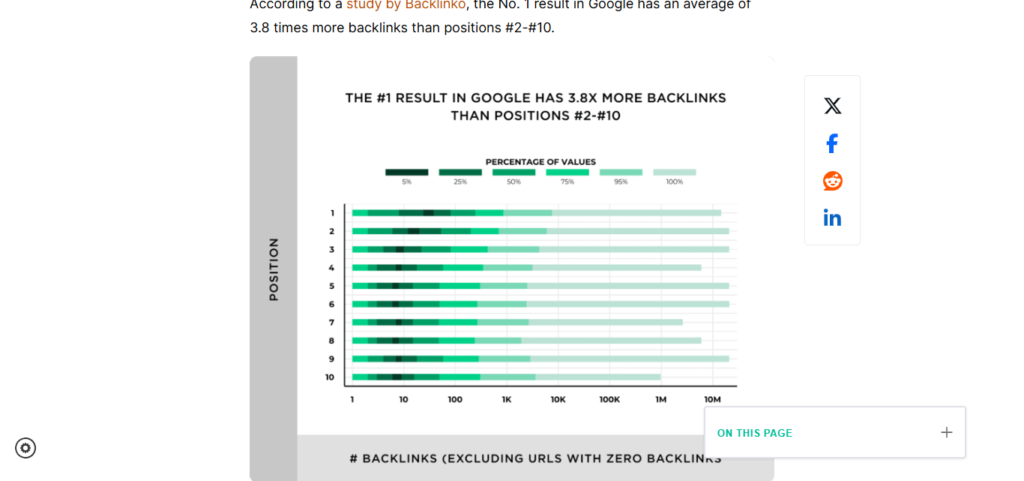
You also need to invest in link building because Google looks at how other websites view your content. When reputable websites link to your pages, they act as votes of confidence and help build your website’s authority.
The good news is that beginners don’t need hundreds of backlinks to get started.
Focus on earning your first 10 high quality backlinks instead of chasing 500 low-quality ones.
Where beginners should start
The easiest ways to earn quality backlinks include:
- Guest Posts – Write helpful articles for reputable websites in your niche and earn a backlink to your website.
- HARO Alternatives – Respond to journalist and expert quote requests on platforms such as Qwoted and Help a B2B Writer.
- Niche Communities – Participate in relevant forums and industry discussions where you can naturally share valuable resources.
- Linkable Resources – Publish original research, statistics, checklists, templates, or comprehensive guides that other websites want to reference.
Build assets that people want to link to
Some of the best link worthy content includes:
- Original research and surveys
- Industry statistics pages
- Ultimate guides
- Free templates and checklists
- Case studies
- Infographics
The more unique value your content provides – the more likely other websites are to reference and link to it.
Avoid black hat SEO
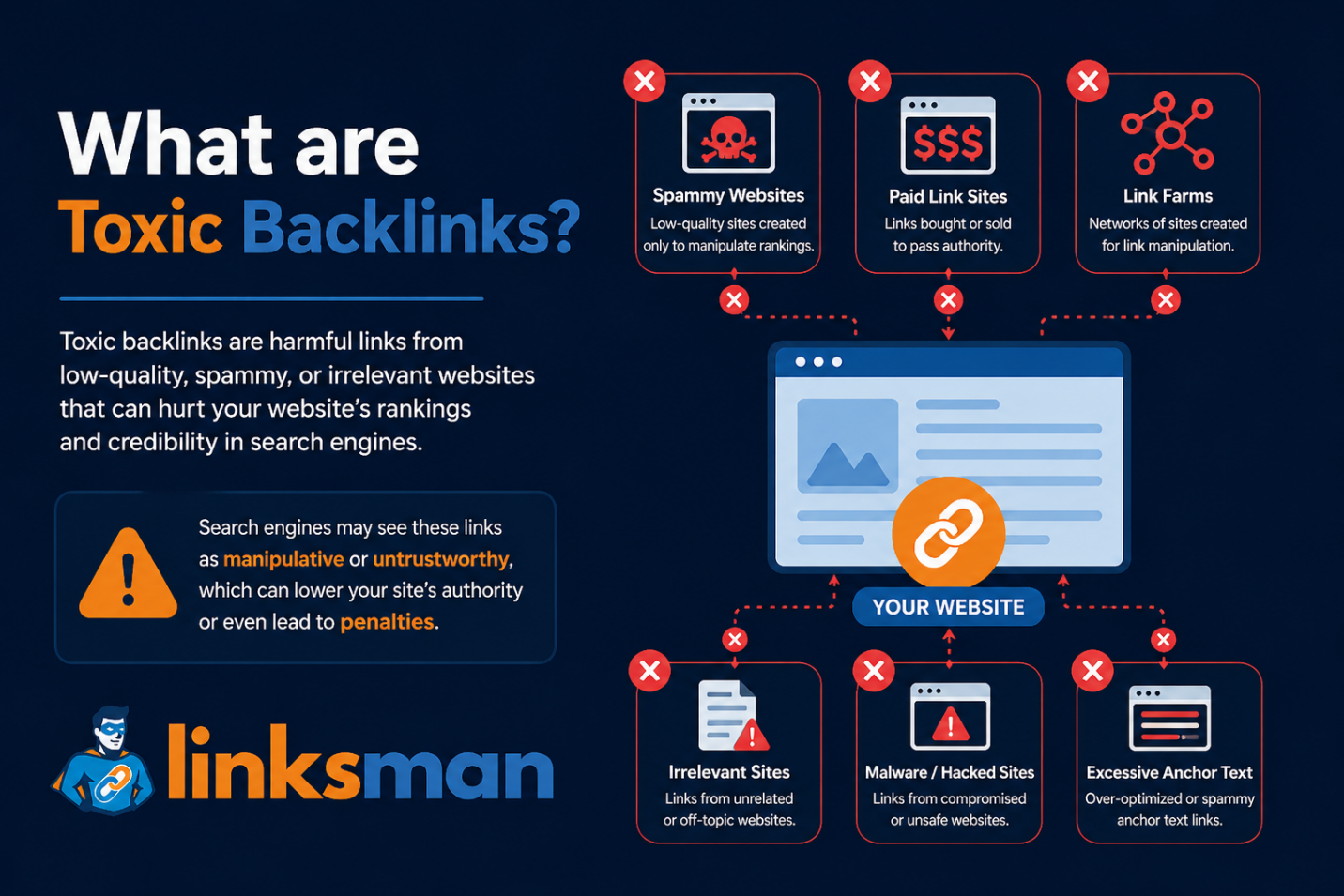
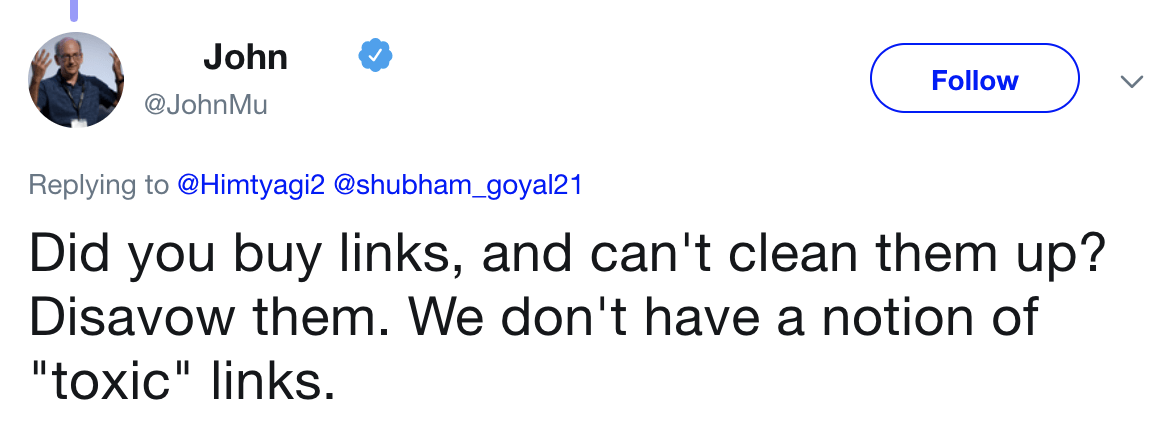
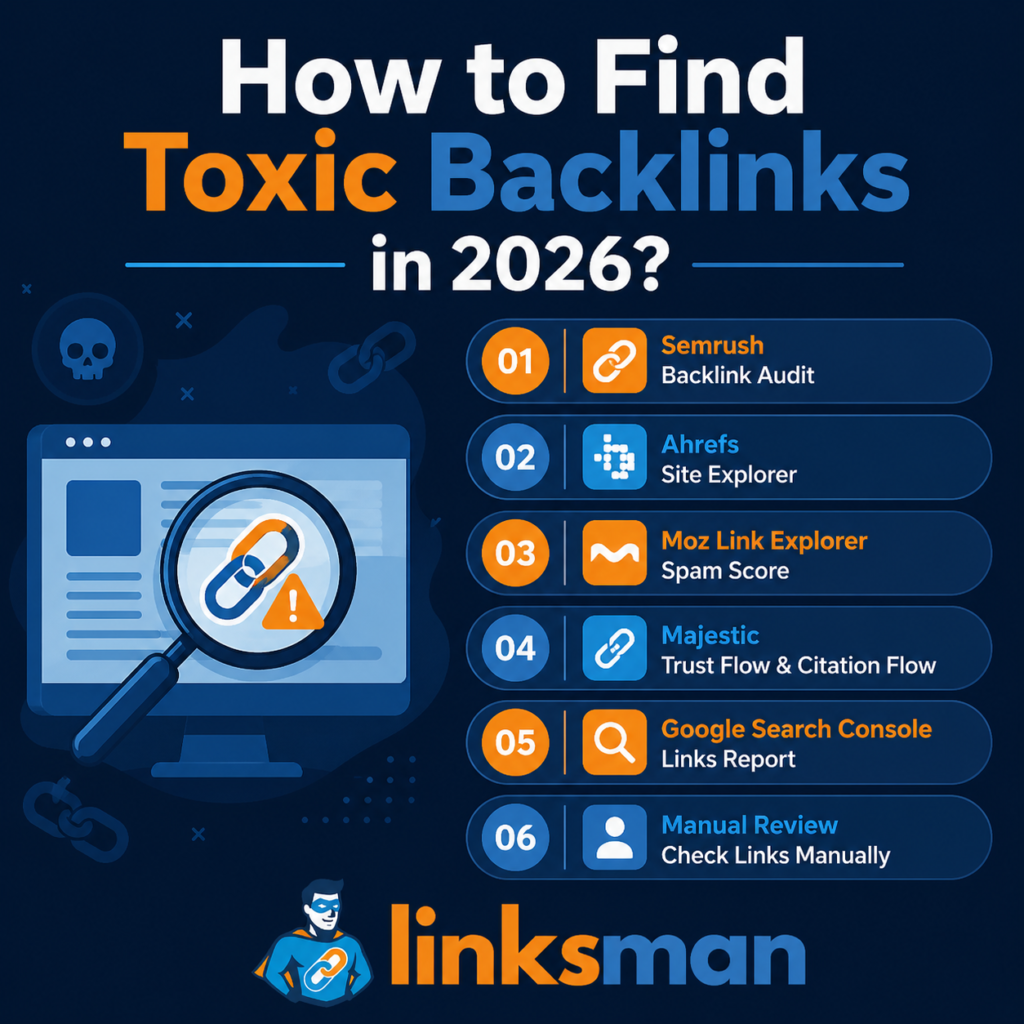
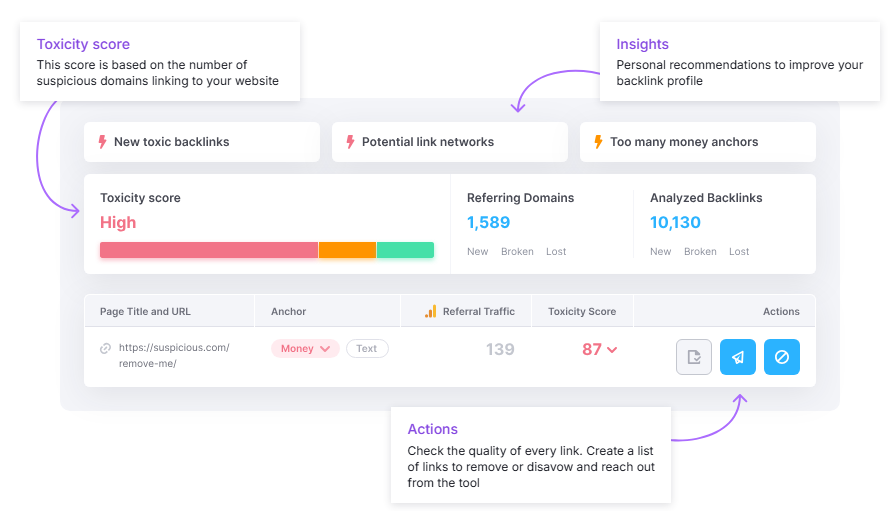
Not all backlinks are good backlinks. Avoid:
- Buying backlinks
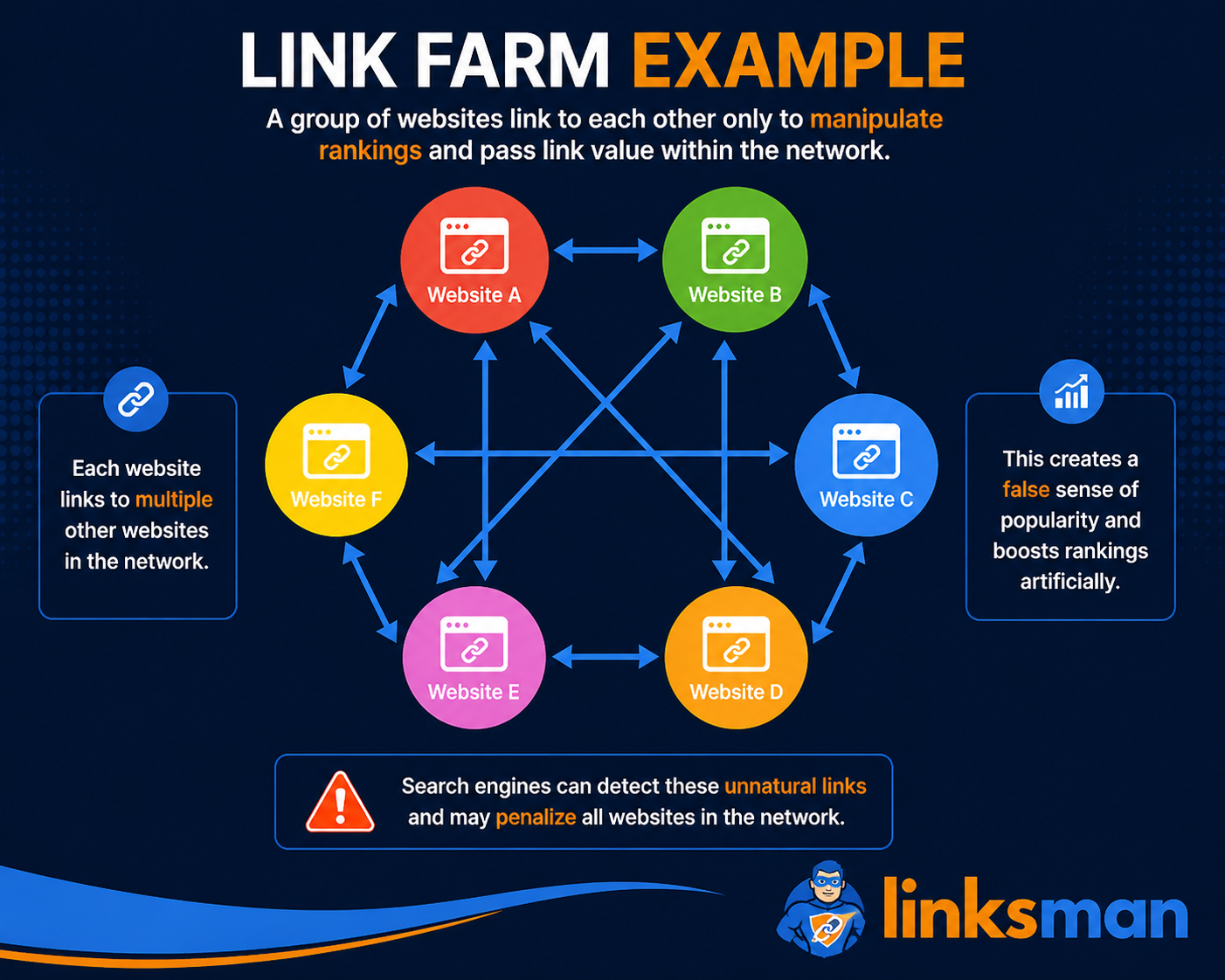
- Link farms
- Spam directories
- Private Blog Networks (PBNs)
- Automated link-building tools
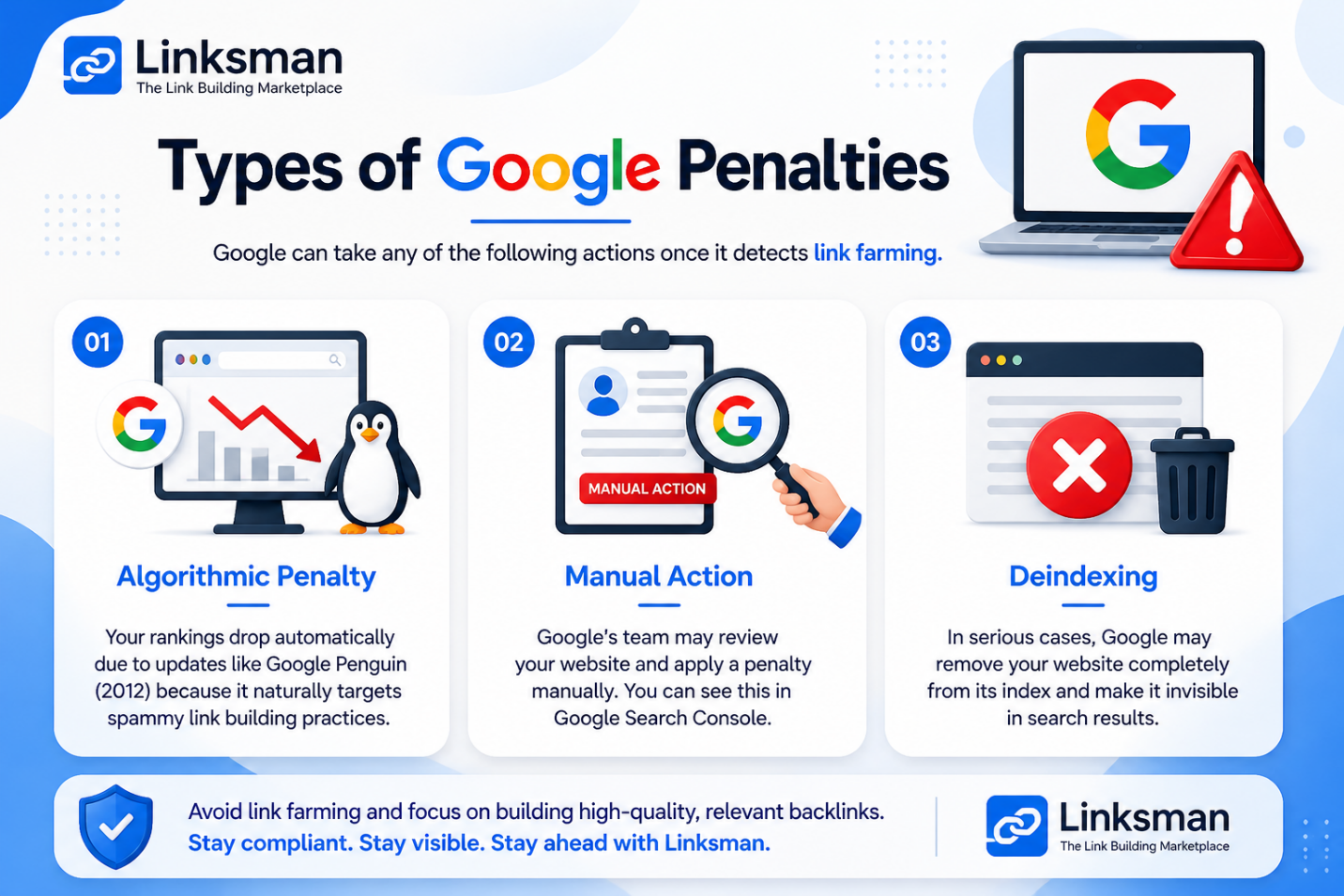
These tactics can hurt your website and violate Google’s guidelines.
Pro tip – When you create content that is genuinely useful and original, backlinks become a natural by-product of providing value rather than something you have to chase.
Step 8. Track performance and improve
Publishing your content is not the finish line. Successful affiliate marketers regularly measure performance and identify opportunities to improve their content over time.
Essential tools to track performance
- Google Search Console – Monitor keyword rankings + impressions + clicks
- Google Analytics – Understand where your visitors come from and how they interact with your website
- Rank Tracking Tool – Track your target keyword positions and monitor ranking improvements over time
What should you measure?
Focus on the metrics that directly impact your affiliate business:
- Keyword rankings
- Organic clicks
- Organic traffic
- Affiliate link clicks
- Conversion rate
- Affiliate revenue
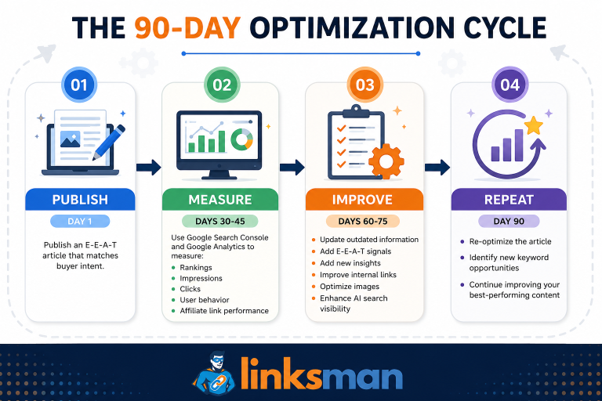
The 90-day optimization cycle
SEO is a continuous process. Instead of publishing an article and forgetting about it, follow this simple cycle:
| Timeline | Action | What to Do |
| Day 1 | Publish | Publish an E-E-A-T article that matches buyer intent. |
| Days 30-45 | Measure | Use Google Search Console and Google Analytics to measure:
Rankings Impressions Clicks User behavior Affiliate link performance |
| Days 60-75 | Improve | Update outdated information
Add E-E-A-T signals Add new insights Improve internal links Optimize images Enhance AI search visibility |
| Day 90 | Repeat | Re-optimize the article
Identify new keyword opportunities Continue improving your best-performing content |
Common SEO affiliate marketing mistakes beginners make
Many beginners don’t fail because affiliate marketing is difficult. They fail because they repeat the same mistakes that slow down growth and reduce earnings.
- Targeting highly competitive keywords
- Publishing AI-only content without original insights
- Choosing products based only on high commissions
- Ignoring search intent and buyer intent
- Not building an email list from day one
- Expecting SEO results within 30 days
- Chasing traffic instead of affiliate revenue
- Writing without demonstrating E-E-A-T
- Ignoring internal linking and on-page SEO
- Publishing content and never updating it
How much does it cost to start SEO affiliate marketing?
One of the biggest advantages of SEO affiliate marketing is its low startup cost. Unlike paid advertising, you don’t need a large budget to get started.
| Expense | Required? | Estimated Cost |
| Domain Name | Yes | $10–20/year |
| Web Hosting | Yes | $30–100/year |
| WordPress CMS | Yes | Free |
| Premium Theme | Optional | $0–100 (one-time) |
| SEO Plugin | Optional | Free–$99/year |
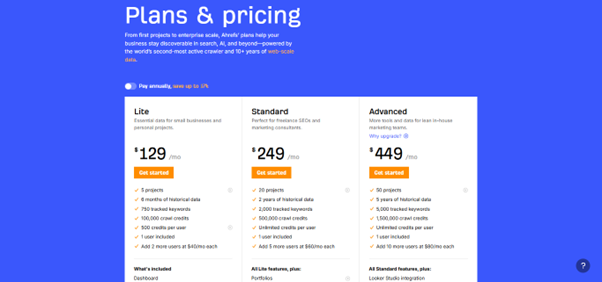
| Keyword Research Tool (Ahrefs or Semrush) | Optional | $0–150+/month |
| AI Writing Tool | Optional | $0–30+/month |
| Graphic Design Tool (Canva Pro) | Optional | $0–15+/month |
| Email Marketing Platform | Optional | $0–50+/month |
| Rank Tracking Tool | Optional | $0–50+/month |
| Outsourced Content Writing | Optional | $20–300+ per article |
| Backlink/Outreach Budget | Optional | Varies |
Estimated Budget:
| Budget Type | Estimated Cost |
| Minimum Budget (DIY) | $50–150/year |
| Recommended Budget for Beginners | $150–500/year |
| Growth Budget (with premium tools) | $500–2,000+/year |
How much can you earn from affiliate SEO marketing?
There is no fixed income in affiliate marketing. Your earnings depend on your niche and content quality as well as search rankings and traffic.
| Experience Level | Typical Earnings |
| Beginner (0–1 year) | Under $1,000/month |
| Intermediate (1–3 years) | $1,000–10,000/month |
| Experienced (3+ years) | Can exceed $10,000/month, |
Actual results vary widely based on niche selection and execution.
Wrapping up
And that’s how to start a successful SEO affiliate marketing business to earn consistent earn affiliate commissions. Make sure you choose the right niche and dedicate a good amount of time on keyword research and E-E-A-T and AI-friendly content creation.
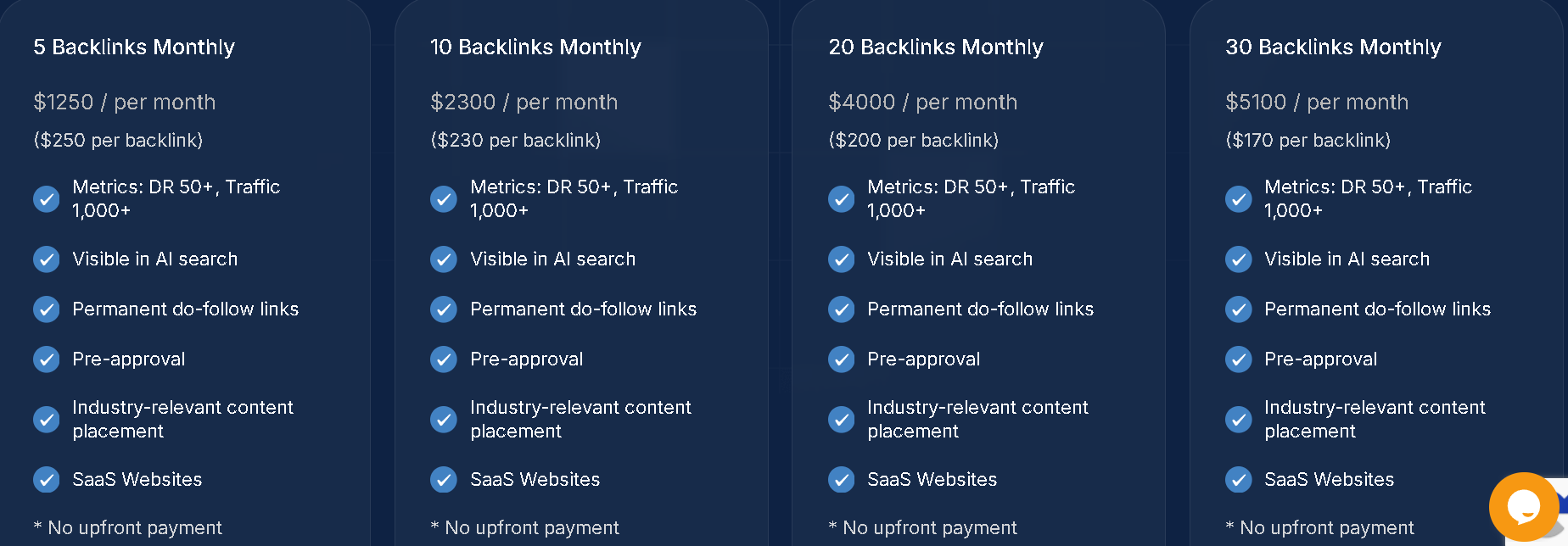
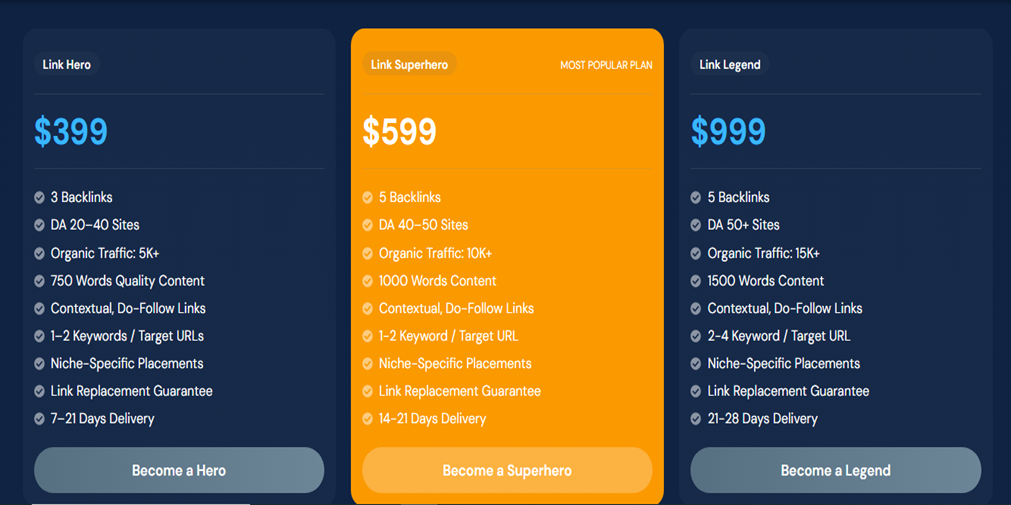
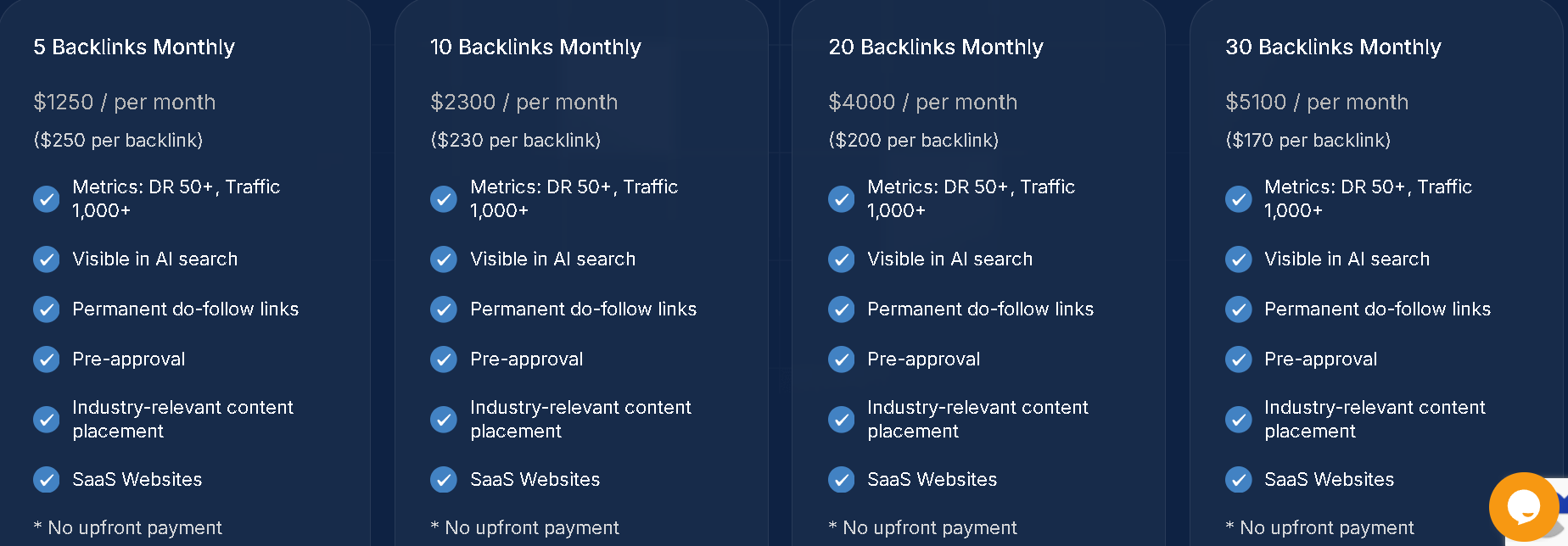
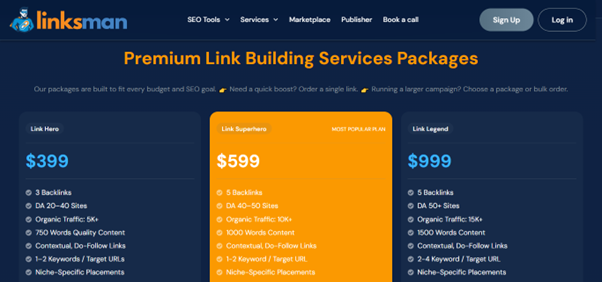
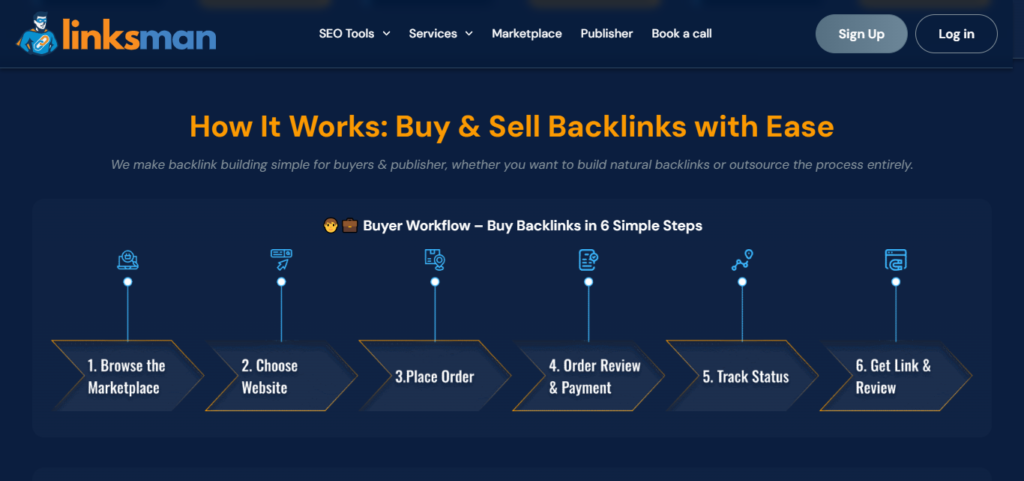
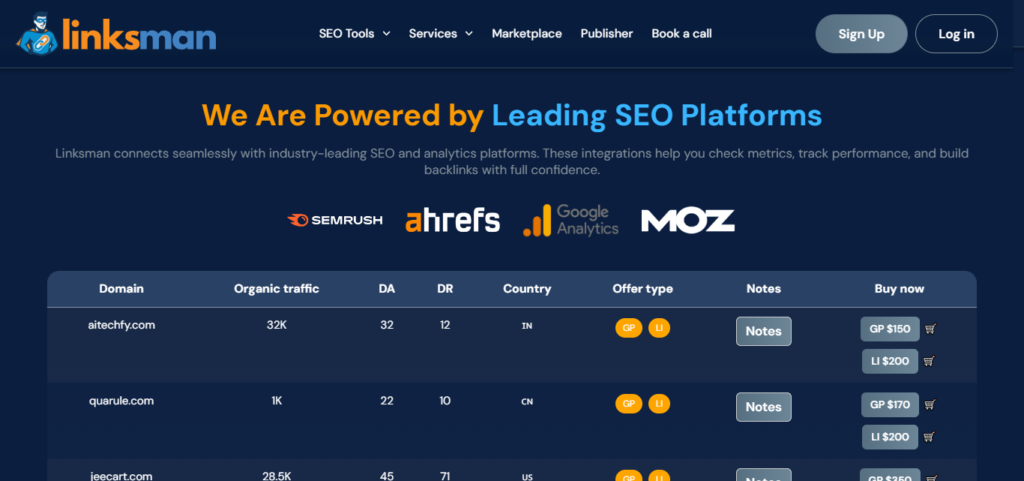
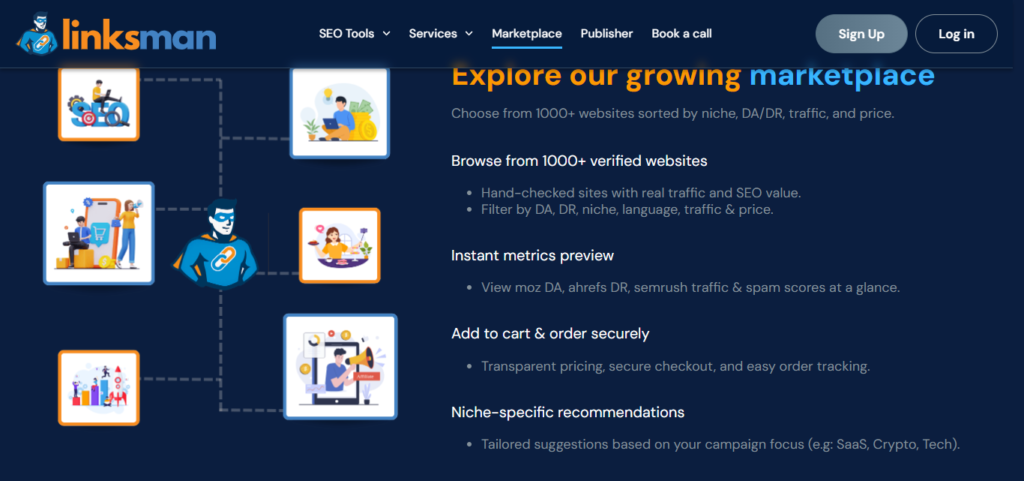
As your website grows, building authority becomes just as important as good content. Linksman is a link building marketplace that helps publishers acquire high quality and niche-relevant backlinks from trusted websites. A strong backlink profile can improve your website’s authority and support your long term SEO affiliate marketing strategy.
FAQs
What is SEO for affiliate marketing?
SEO for affiliate marketing is the process of optimizing your website and content to rank on search engines and attract organic visitors who are likely to purchase through your affiliate links.
What is the 80/20 rule in SEO?
The 80/20 rule suggests that a small percentage of your content often generates most of your traffic and revenue. Focus on updating and improving your best performing pages instead of constantly creating new ones.
When will you see results from affiliate SEO marketing?
Most affiliate websites start seeing their first organic traffic within 3 to 6 months. However, meaningful rankings and consistent affiliate commissions typically take 6 to 12 months, depending on your niche competition and the quality of your content.
Do you need backlinks to succeed in SEO affiliate marketing?
Yes, but quality matters more than quantity. A handful of relevant and authoritative backlinks can provide more SEO value than hundreds of low quality links.