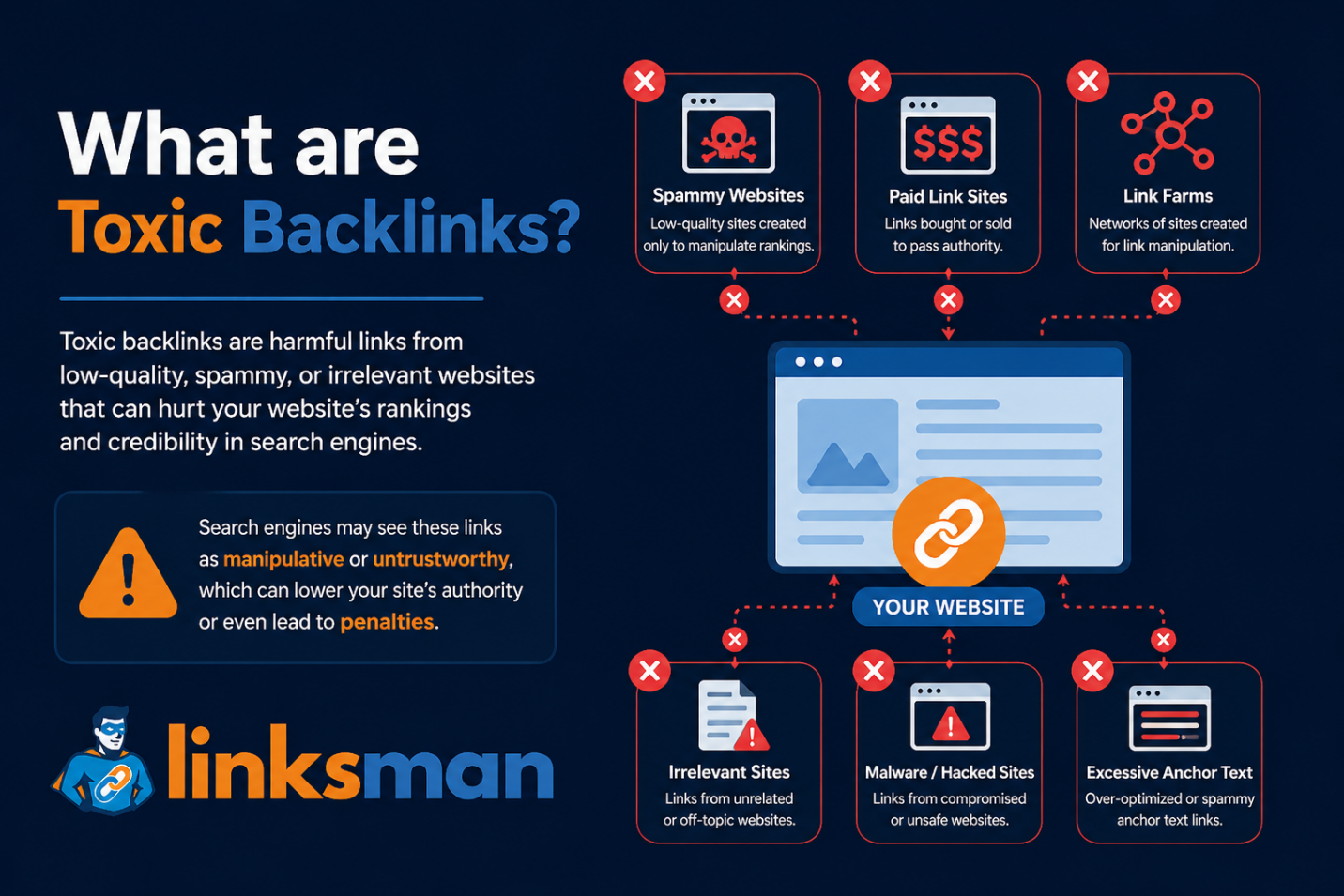

Link farming is a black-hat link building practice that violates Google’s guidelines and is strictly prohibited in the SEO community. It is basically a network of websites that people create to artificially boost search rankings through excessive link building. While it may seem like a quick way to get backlinks – search engines like Google have become very smart at detecting such manipulative practices. If your website is caught engaging in link farming – it can face strict penalties and ranking drops. We will explain what link farming means and how it works with examples in this article. We will also show you how to identify link farms and avoid them to protect your rankings.
Links Farming – Key highlights
- A typical link farm can include dozens to thousands of websites that all link to each other to artificially increase rankings.
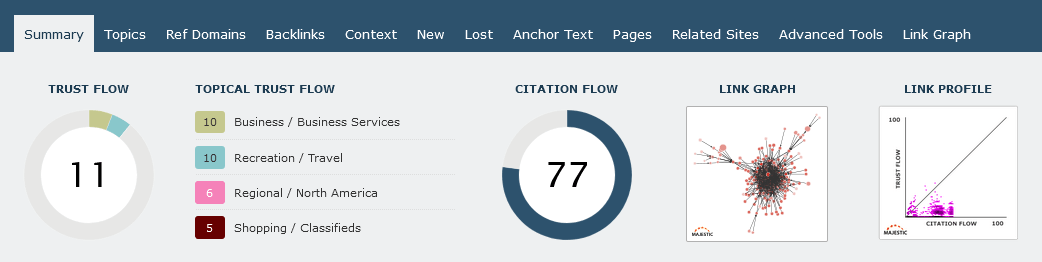
- Many link farms have little to no organic traffic – sometimes as low as 0 to 19 monthly visits
- Over 90% of links in link farms are low quality because they come from poorly written or duplicate content pages.
- Many link farms use expired domains with existing authority to appear trustworthy in SEO tools.
- Even a few backlinks from link farms can make your overall backlink profile weak and even risk Google penalties.
What is Link Farming? Meaning and Definition
To understand the definition of link farming – we must first learn what a link farm means.
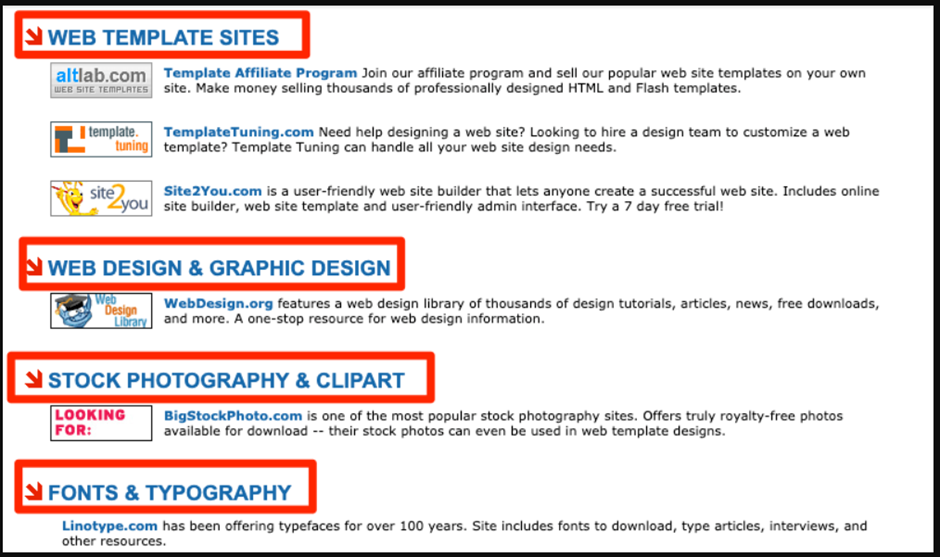
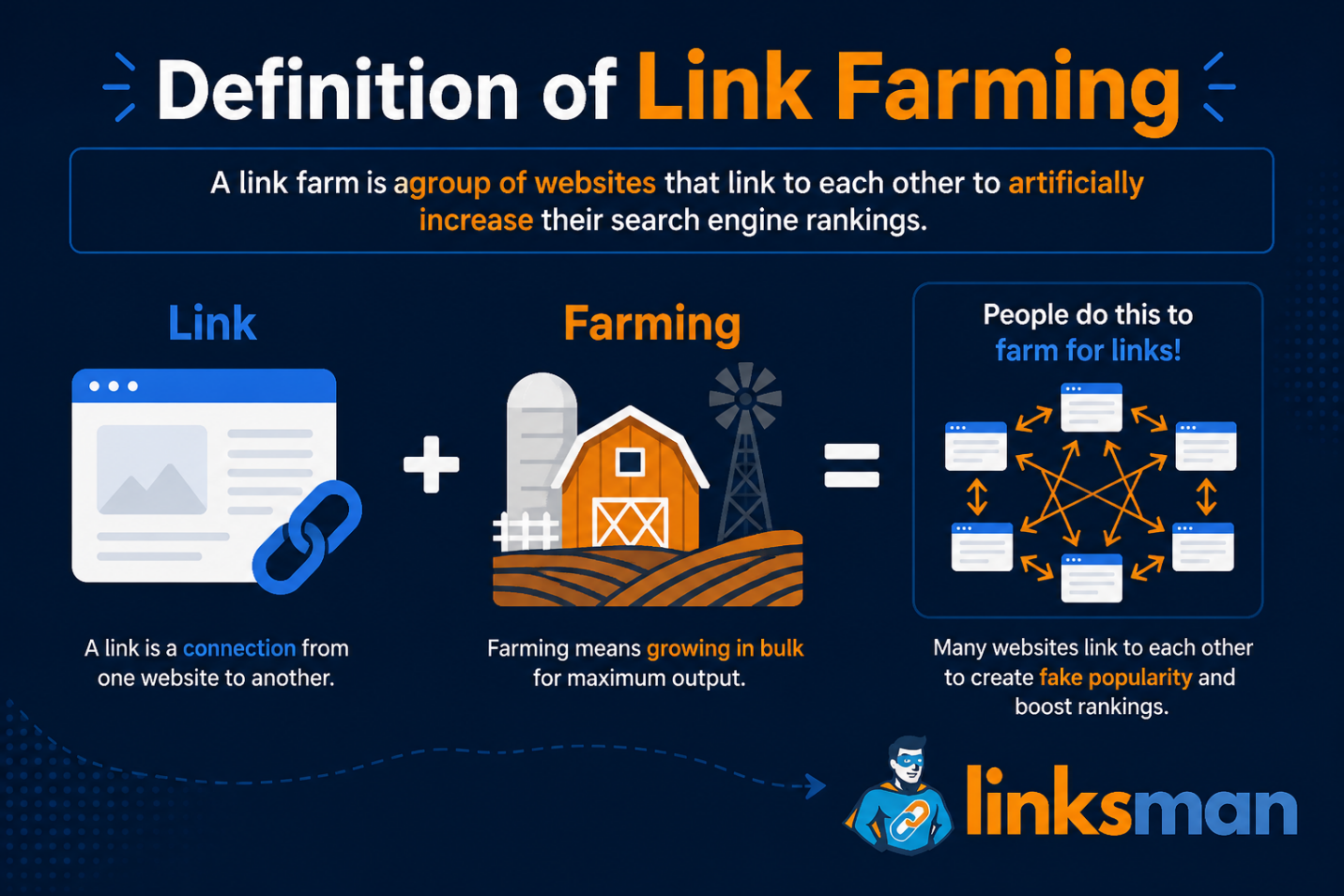
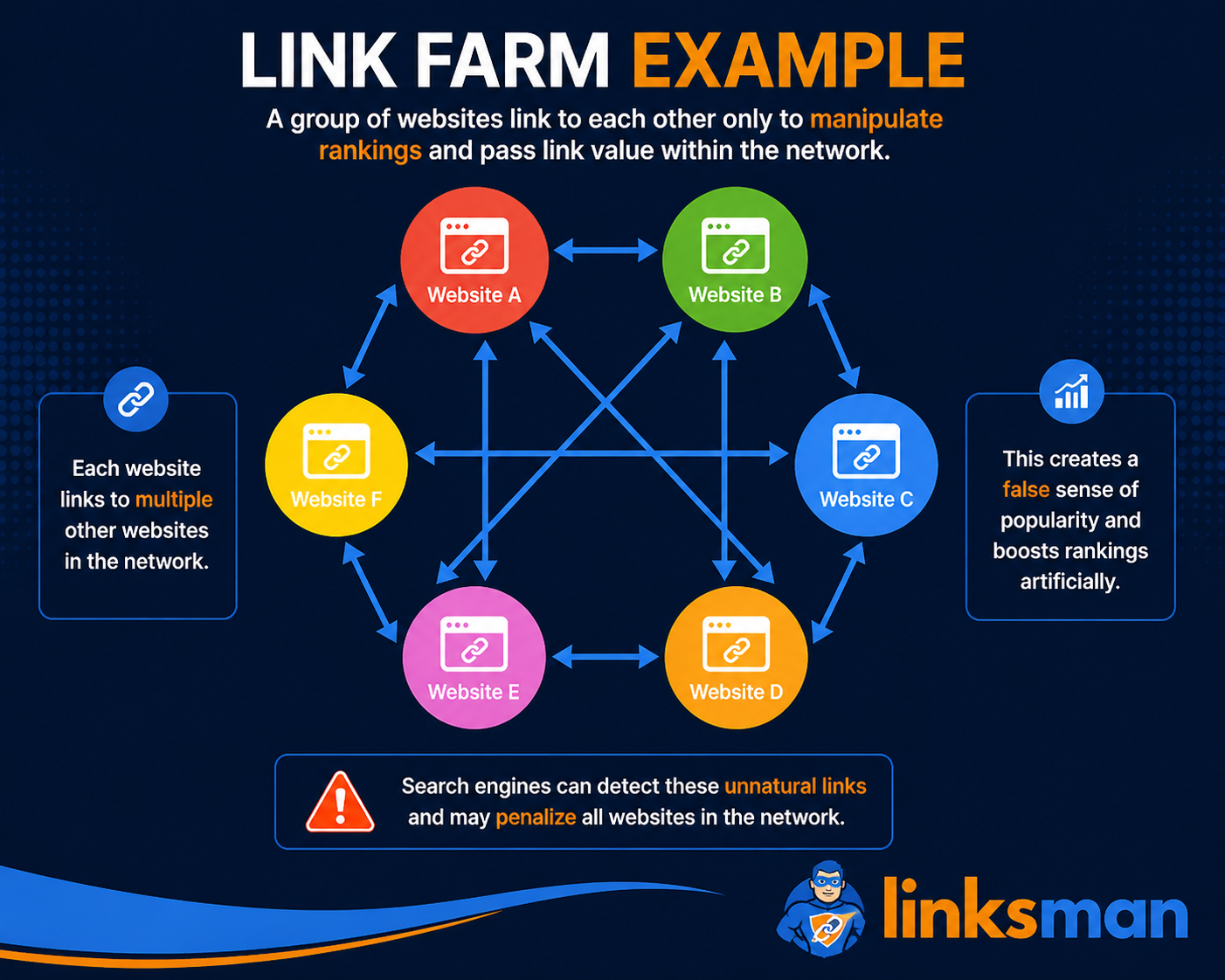
A link farm is a group of websites that continuously link to one another to improve search rankings. Instead of earning links naturally – these networks generate backlinks in large volumes to make a website seem more authoritative or credible.
People often compare link farms to Private Blog Networks (PBNs) but they are not the same. A PBN is usually created to send links to one main website – while a link farm is a group of websites that mainly link to each other within the network.
Interesting fact you should know
Link farms first appeared around 1999. During this time, SEO professionals began using this tactic to take advantage of how search engines like Inktomi ranked websites based mainly on the number of links they received. Today, link farming has become a commercial setup where people often sell backlinks or guest post placements in exchange for money.
How link farming works?
Link farming follows a simple but manipulative and artificial link building process. Here’s how it works:
- Creation of multiple low quality sites – People create a network of websites using automation and basic templates or expired domains.
- Interlinking or selling backlinks – These sites either link to each other or sell backlinks to external websites without any relevance.
- Artificial ranking boost – The large number of links creates the illusion of authority, also known as “fake authority.”
Earlier, search engines treated most links in the same way. That changed after algorithm updates like Google Penguin in 2012 – which made it easier to spot unnatural linking patterns. Today, Google can easily detect tactics like link farming are penalize your website.
Link farming example
- An SEO creates and controls 20 to 30 websites.
- They publish basic articles on each site and add links to other websites in the same network even when the topics are not related.
- For example, one article may link to a finance site and a travel blog page at the same time.
- This setup works because each website keeps linking to the others and all the sites keep getting backlinks from within the network.
- That’s how link farms work to create a false sense of authority and popularity.
Link farming vs backlinks: What’s the difference?
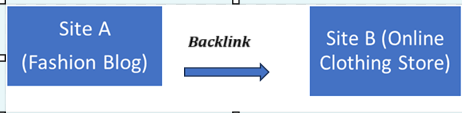
Backlinks are links from one website to another but not all backlinks are good. When comparing link farming vs backlinks – the main difference is that backlinks are earned naturally from relevant websites – while link farming creates artificial links only to manipulate rankings.
| Factor | Backlinks (Legitimate) | Link Farming |
| How links are created | Websites earn backlinks naturally through good content | Websites create links artificially within a network |
| Purpose | To provide value and reference useful content | To manipulate search rankings |
| Quality | High quality and contextual | Low quality and irrelevant |
| Link pattern | Natural and gradual growth | Unnatural and excessive linking |
| Anchor text | Mixed and natural | Repetitive and keyword-heavy |
| Impact on SEO | Improves rankings and authority | Can lead to penalties and ranking drops |
Bonus Read: 5 Best Guest Posting Packages for SaaS & B2B Brands in 2026
Why link farming is bad for SEO?
Link farming is not an effective link building technique. It is very bad for SEO because such shortcuts can ruin your website’s reputation and trust. Here’s why you must avoid it.
- Short term gains but long term damage – You may see a temporary boost in rankings with link farming, but search engines eventually detect these patterns and your rankings drop.
- High risk of penalties – Link farming can cause algorithmic or manual penalties from search engines. It often results in loss of ranking or in severe cases the complete removal of your domain.
- Loss of authority – Low quality links make your website look spammy, which reduces your credibility and authority. People will stop using your site if you continue with this practice.
- Loss of trust from Google – Once Google identifies unnatural linking, it stops trusting your website and this affects your overall SEO performance.
Google penalties for link farming
Now let us understand why Google hates link farms. Google’s main goal is to show users relevant and trustworthy results when they use the search engine. Link farming goes against this because it creates links only to manipulate the rankings and not to provide value. That’s why Google penalties for link farming can be strict and very long lasting.
How Google detects link farms
Google does not use a single signal to detect link farming activities. It looks common signs like the following:
- Unnatural link patterns: A sudden increase in backlinks from unrelated or low quality websites raises suspicion.
- Spam signals: Repetitive anchor text with keywords and thin or irrelevant content are strong warning signs.
- Link network behavior: When multiple websites keep linking to each other in a closed loop, it clearly shows manipulation.
Types of Google penalties
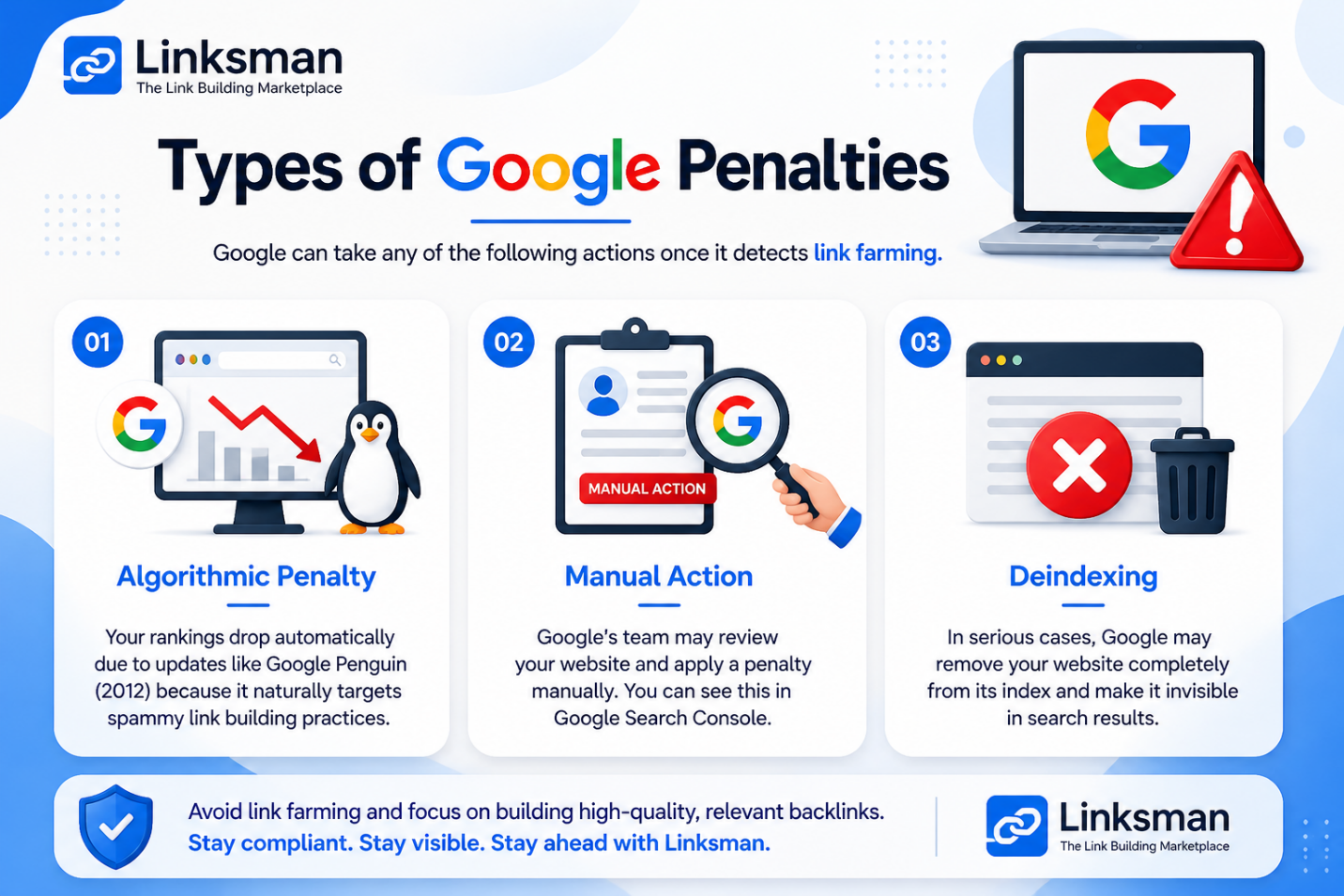
Google can take any of the following actions once it detects link farming.
- Algorithmic penalty: Your rankings drop automatically due to updates like Google Penguin (2012) because it naturally targets spammy link building practices.
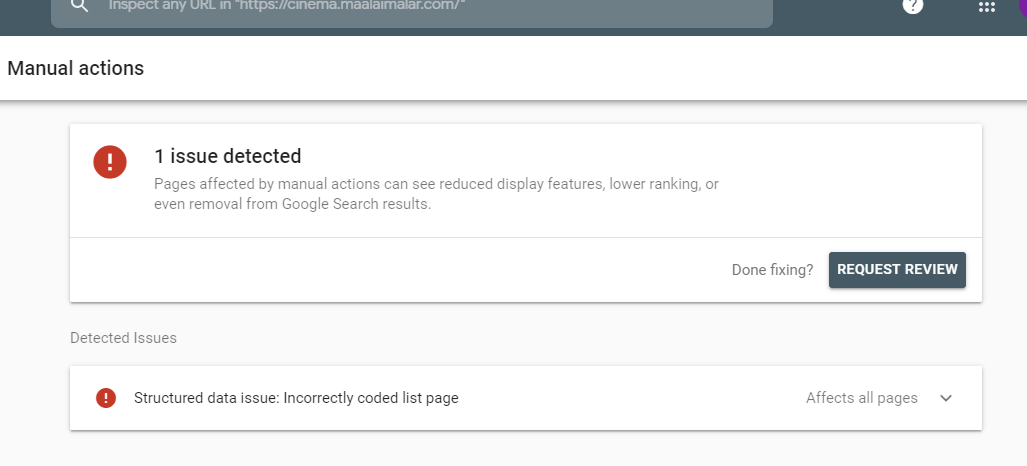
- Manual action: Google’s team may review your website and apply a penalty manually. You can see this in Google Search Console.
- Deindexing: In serious cases, Google may remove your website completely from its index and make it invisible in search results.
How to identify a link farm
Identifying a link farm is not always easy because many of these websites are built to look normal. They may have blog posts and even decent design. But if you look closely, you will notice patterns that don’t match how actual websites operate. So, before getting a backlink from any site, you should always take a few minutes to review it properly.
1. Check how many links the page has
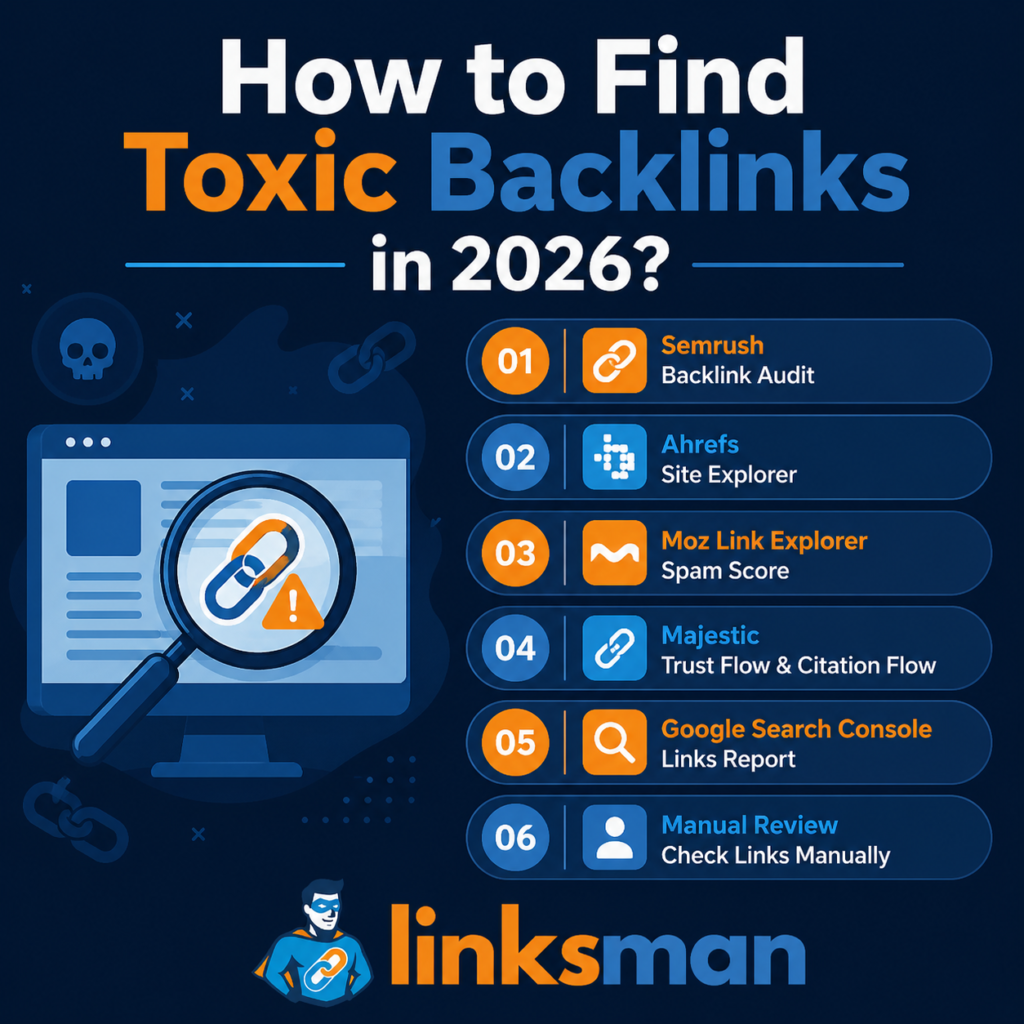
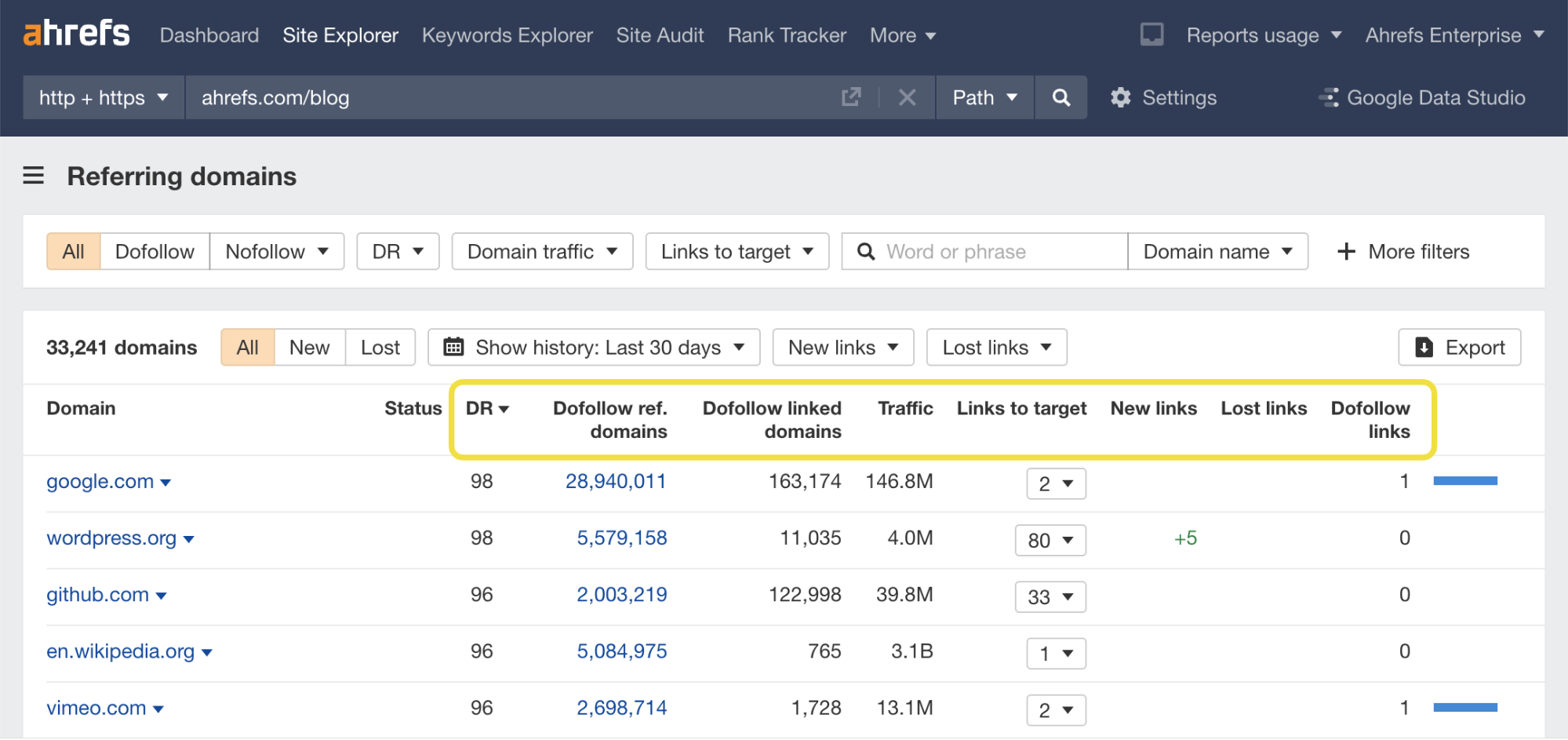
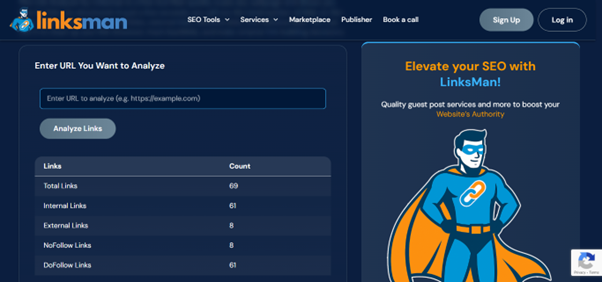
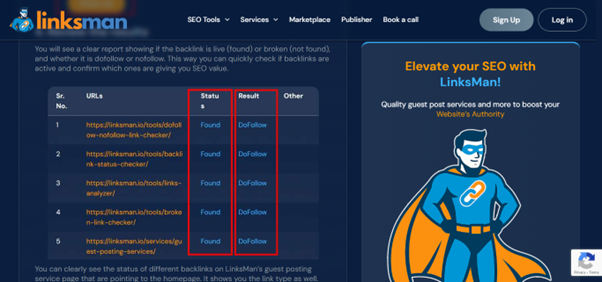
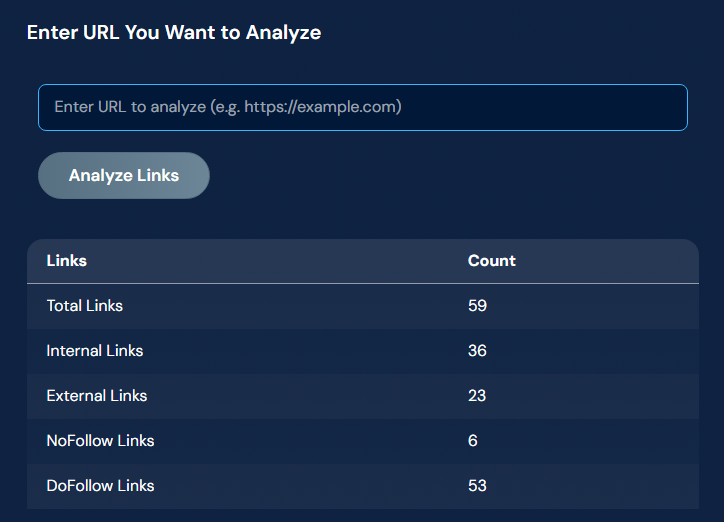
The first thing you should do is look at a single article and check the number of links on it. You can use tools like Ahrefs or Linksman’s Link Analyzer to check the total number of links on that page.
If a page contains an unusually high number of external links – often 50+ or even hundreds – especially pointing to different industries, it is a strong warning sign. Real websites usually add only a few relevant links where they genuinely help the reader.
2. Look at the content quality and topics
Another thing you can do is read multiple articles on the site. This is a manual process. If the website publishes content on random topics like health and finance as well as crypto and travel all at once, it might be fishy. You can read the articles to see if the content feels generic or repetitive without adding any value. You can also use AI detector tools to check if the content is created using AI. Most link farming sites have low quality articles generated using AI.
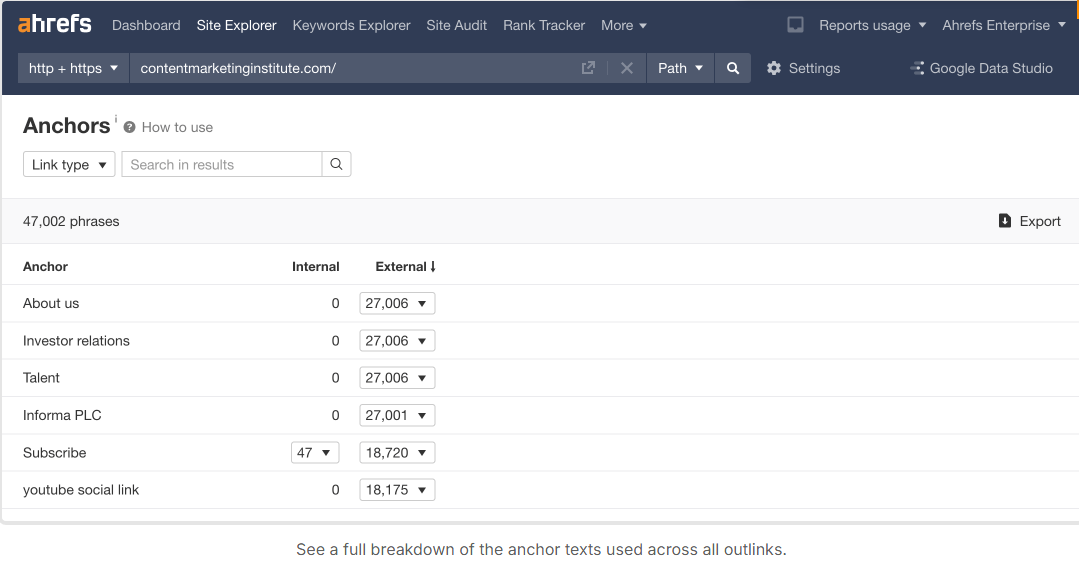
3. Review how links are placed (anchor text)
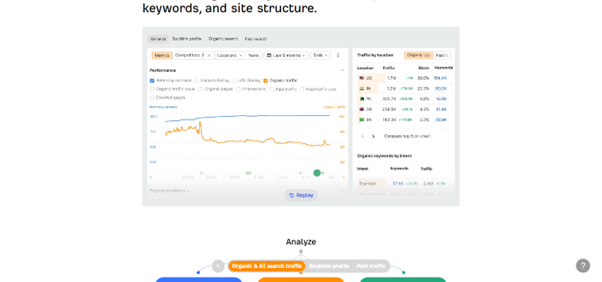
This method will give you complete clarity on link farming sites. Pay attention to the words used in links. If you see the same keywords repeated again and again or links that feel forced into the content – it usually means they were added for SEO. Natural websites link in a way that feels helpful. Link farms link in a way that tries to influence rankings. You can use Ahref’s Site Explorer to check the anchor texts of links on a page.
4. Check the website’s credibility
Credibility is something that link farming sites cannot fake. So, you should check the quality of the website by looking for basic trust signals like the following:
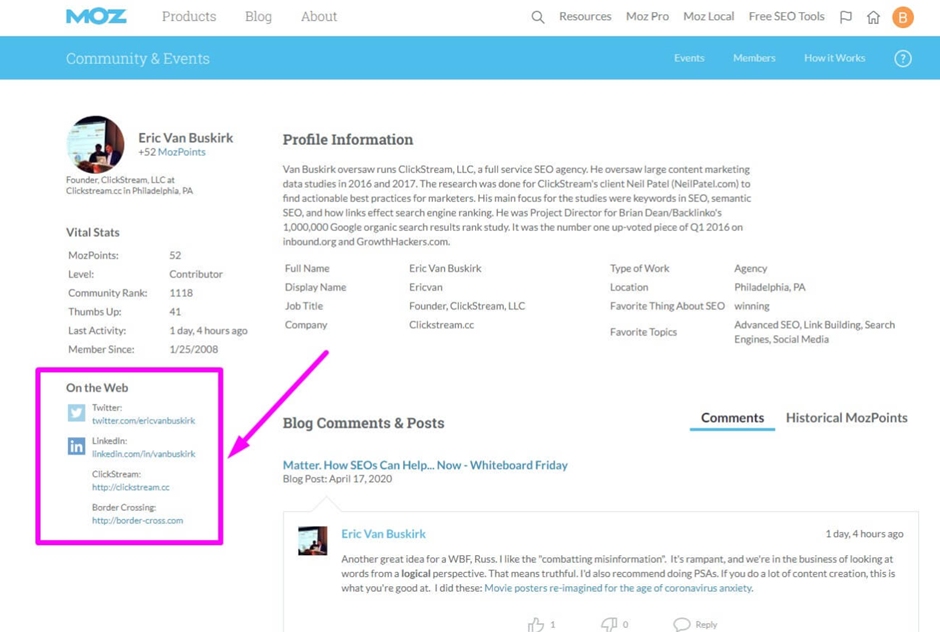
- Is there an “About” page?
- Are authors clearly mentioned?
- Is there proper contact information?
- Does the content look AI generated?
If this information is missing or looks fake – it is a red flag. Legitimate websites are transparent about who they are. Link farms often hide ownership.
5. Compare SEO metrics with actual performance
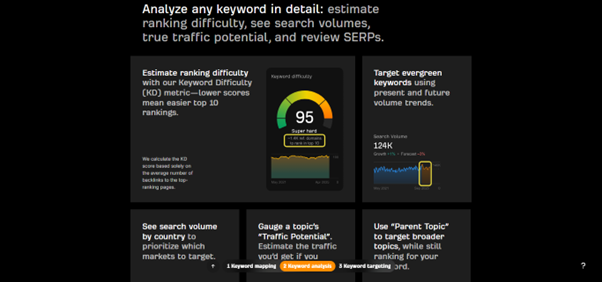
Do not rely only on tools like Domain Rating or authority scores to trust a website. Some link farms manipulate these metrics to appear trustworthy. Instead, check whether the site actually gets traffic and ranks for keywords. You can use Ahrefs to check the trust metrics like domain authority as well as website traffic.
How to avoid link farming in SEO?
Avoiding link farming doesn’t mean saying no to spammy sites. You need to understand how bad links enter your profile and how to filter them before they cause damage. Here’s a more practical approach to how to avoid link farming SEO risks:
1. Check every backlink opportunity before accepting it
Do not accept backlinks blindly, even if the website looks decent at first. Before placing a link, follow all the methods we shared above to identify link farming. Does the site focus on one niche or publish random topics? Does the content provide value or just exist to host links? Are there too many outbound links on a single page? Most link farm links don’t come from obvious spam sites. They come from “okay looking” sites that fail basic quality checks.
2. Avoid websites that scale guest posting without control
Many link farms today operate as open guest posting platforms where anyone can publish content for a fee. You should look for red flags like:
- Instant approval for paid posts
- No editorial review
- No content guidelines
When a website publishes content for anyone – it quickly turns into a link hub rather than a trusted resource.
3. Track where your backlinks are coming from
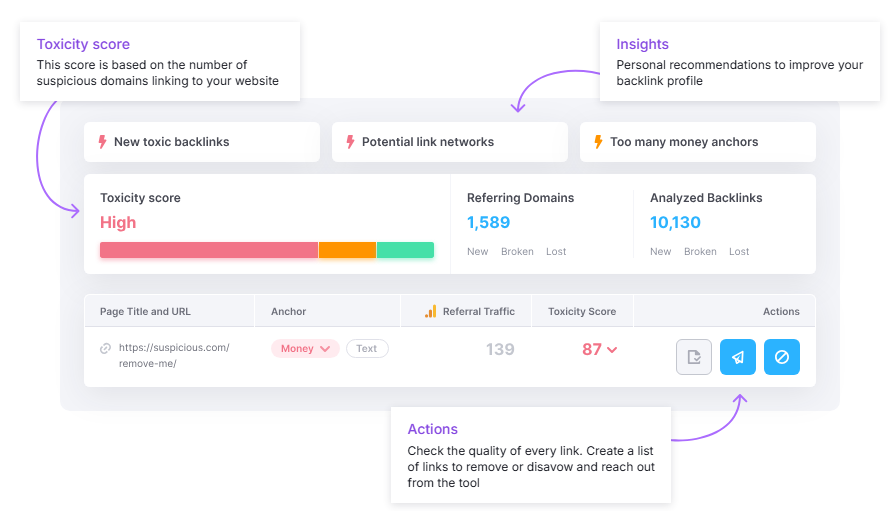
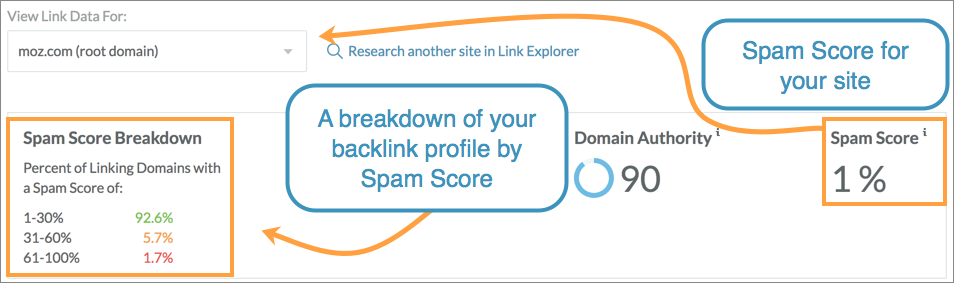
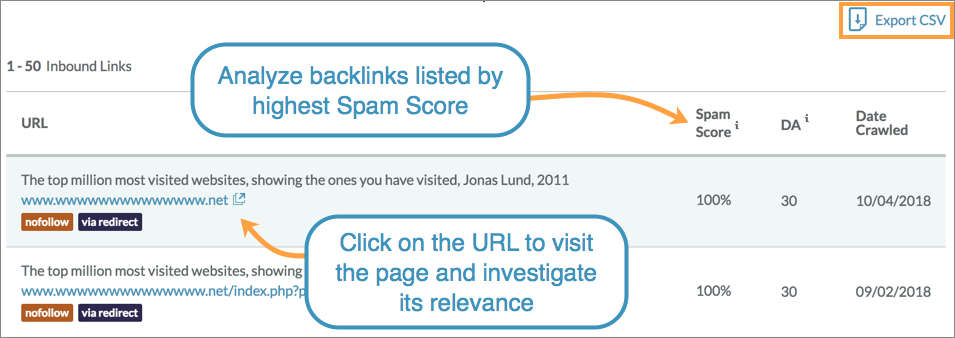
Do not wait for a penalty to check your backlinks because sometimes even your competitors can frame your site with negative SEO. It is a link building best practice to conduct a complete backlink audit every month using tools like Google Search Console or Ahrefs. They can help you review new backlinks every month and identify sudden spikes. If multiple links are coming from similar looking websites, you might need to take action.
4. Remove or disavow harmful links early
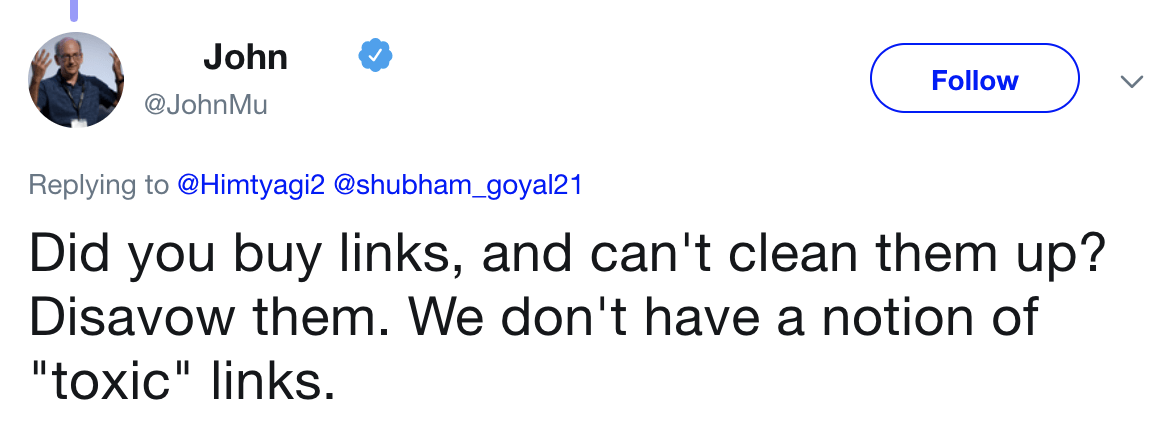
If you find links from suspicious websites, then try to remove them as soon as possible. Use Google’s Disavow Tool if removal is not an option. Ignoring bad links can weaken your backlink profile over time and increase the risk of penalties.
5. Focus on link relevance
A common mistake in link building is chasing high “metrics” like Domain Rating. Instead, you should ask the following questions when getting links: Is this site relevant to my niche? Would a reader find this link useful? This way, you can keep your website and ranking safe.
6. Watch for modern link farm tactics
Link farms have changed. They now use AI-generated content and expired domains with past authority to build clean looking websites with low engagement. So, you must conduct a deeper analysis of each site before accepting any links.
What are the safe alternatives to link farming?
Instead of using risky tactics like link farming – you must use ethical and long term strategies that help you earn backlinks naturally and build authority.
- Content marketing: Create valuable content that people naturally want to link to.
- Guest posting (legit): Publish high quality articles on relevant and trusted websites in your niche.
- Outreach: Build relationships and reach out to websites for genuine link opportunities.
- Digital PR: Earn links through news mentions and brand coverage.
- Resource link building: Create useful tools or resources that others reference.
These strategies take more effort but they build sustainable rankings and long term SEO growth.
Wrapping up
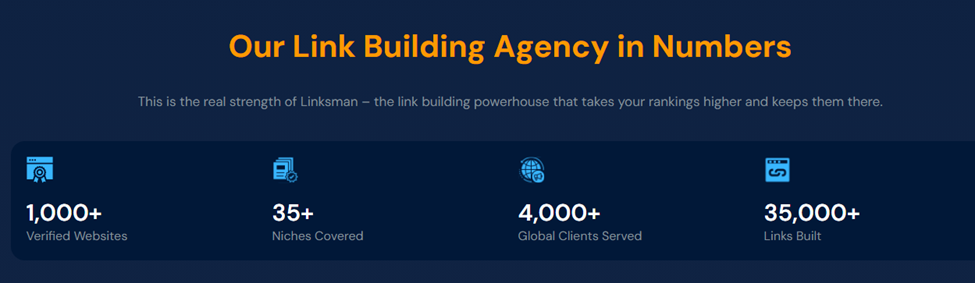
Link farming might look like an easy win but it often backfires and damages your SEO over time. It is better to build links that actually add value. Linksman helps you do that with ethical link building and lets you vet sites using metrics like DR and organic traffic. It also offers free tools to check links and run smarter campaigns.
FAQs
1. What is link farming spam?
Link farming spam refers to networks of websites that create or exchange large numbers of low quality links to manipulate search rankings. These links are not added for user value and are considered a black hat SEO tactic.
2. Are link farms illegal?
Link farms are not illegal by law, but they violate Google’s guidelines. Websites using them may face serious penalties and even removal from search results.
3. Can one bad link hurt SEO?
One or two bad links usually won’t cause major harm. However, If Google notices a pattern of low quality or spammy links – it will damage your backlink profile.
4. How do I remove bad backlinks?
You can contact the website owner and request removal of the link. If that doesn’t work, use Google’s Disavow Tool to ignore those links.
5. How can I protect my website from link farms?
Regularly monitor your backlinks and avoid suspicious link opportunities. It is best to earn links from relevant and high quality websites.